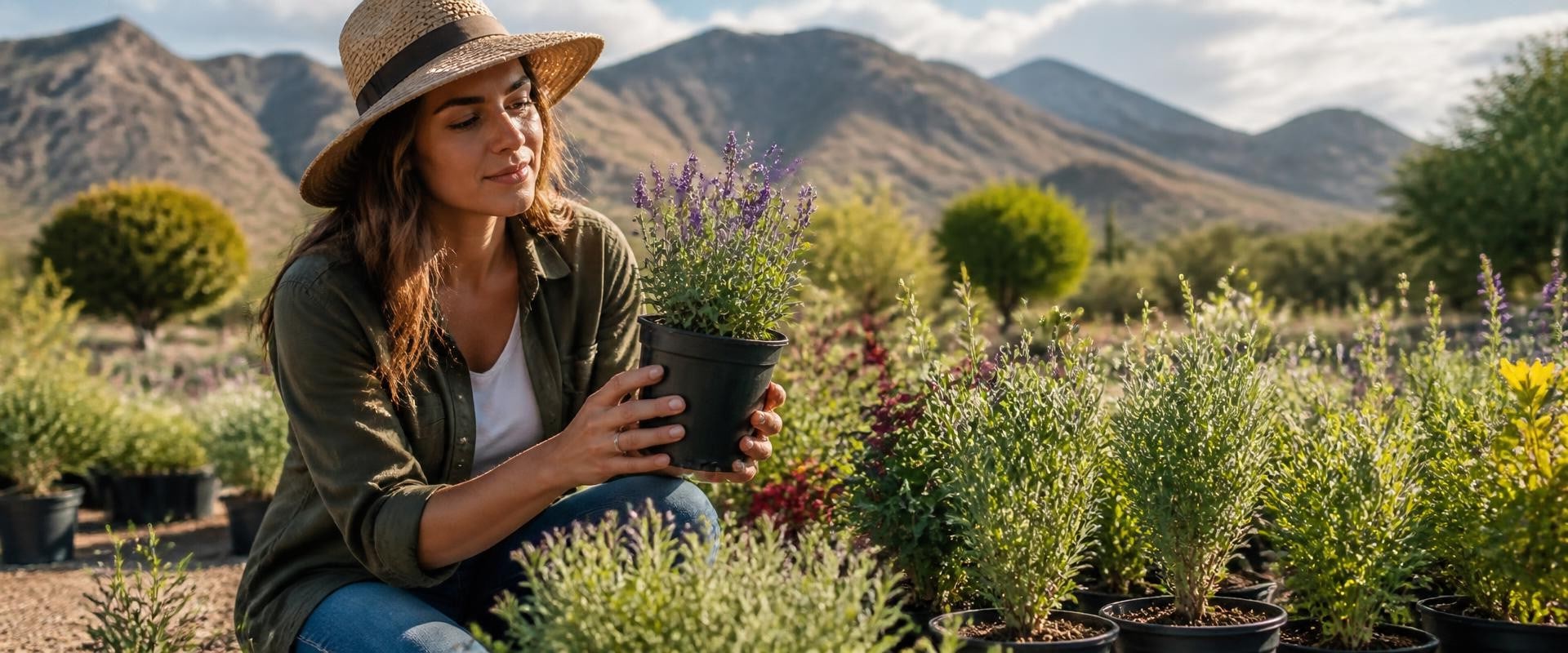
When it comes to selecting the right plants for your garden, understanding your climate zone is essential. The USDA Plant Hardiness Zone Map is a valuable tool that categorizes regions based on their average annual minimum winter temperature. This map divides the United States into 13 zones, each representing a range of temperatures that can significantly affect plant growth and survival. By knowing your specific zone, you can make informed decisions about which plants are most likely to thrive in your area.Climate zones not only dictate the types of plants that can survive but also influence their growth patterns, flowering times, and overall health.
For instance, a plant that flourishes in a warmer zone may struggle to survive in a cooler one. Therefore, it’s crucial to consult the climate zone map before making any planting decisions. This map provides a visual representation of the various zones across the country, allowing you to easily identify where you stand and what plants are best suited for your environment.Additionally, understanding your climate zone goes beyond just temperature; it encompasses factors such as humidity, rainfall, and seasonal changes. These elements play a significant role in determining which plants will not only survive but also thrive in your garden.
By aligning your plant choices with your local climate conditions, you can create a vibrant and sustainable garden that requires less maintenance and resources.
Assessing Your Local Environment
When it comes to selecting the right plants for your garden, understanding your local environment is crucial. Several factors can significantly influence plant growth, including soil type, drainage, sunlight exposure, and the presence of microclimates.Soil Type
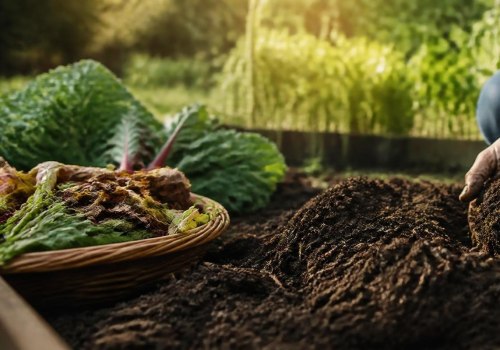
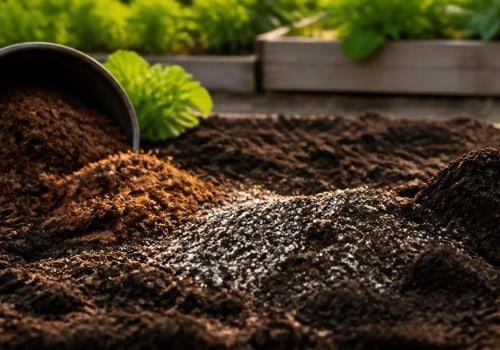
The first step in assessing your local environment is to evaluate your soil type. Different plants thrive in different soil conditions. For instance, sandy soils drain quickly but may not retain nutrients well, while clay soils hold moisture but can become compacted.To determine your soil type, you can conduct a simple test by taking a handful of moist soil and squeezing it. If it forms a ball and holds its shape, you likely have clay soil. If it crumbles easily, you may have sandy soil.
Drainage
Next, consider the drainage of your garden area. Poor drainage can lead to waterlogged roots and plant diseases.Observe how water behaves in your garden after heavy rain; if puddles form or water takes a long time to soak in, you may need to amend your soil or choose plants that tolerate wet conditions.
Sunlight Exposure
Sunlight exposure is another critical factor. Different plants require varying amounts of sunlight to thrive. Assess how much sun your garden receives throughout the day—full sun (6+ hours), partial shade (3-6 hours), or full shade (less than 3 hours). This will help you select plants that are well-suited to their light conditions.Microclimates
Your garden may also contain microclimates, which are small areas with distinct climate conditions that differ from the surrounding environment.For example, a south-facing wall may create a warmer microclimate ideal for heat-loving plants, while shaded areas under trees may be cooler and more suitable for shade-tolerant species. Take note of these variations as they can greatly influence plant selection.By carefully assessing these local environmental factors—soil type, drainage, sunlight exposure, and microclimates—you can make informed decisions about which plants will thrive in your garden. This tailored approach not only enhances the beauty of your landscape but also promotes healthier plant growth.
Choosing Plants Based on Climate Conditions
When selecting plants for your garden, understanding your local climate is crucial. Different regions experience varying temperatures, rainfall, and seasonal changes, which can significantly impact plant growth.Here are some key considerations to help you choose the right plants based on climate conditions:
Drought-Resistant Plants
If you live in an area prone to dry spells or have limited water resources, drought-resistant plants are an excellent choice. These plants have adapted to survive with minimal water and often require less maintenance. Some popular options include:- Succulents: These store water in their leaves and thrive in arid conditions.
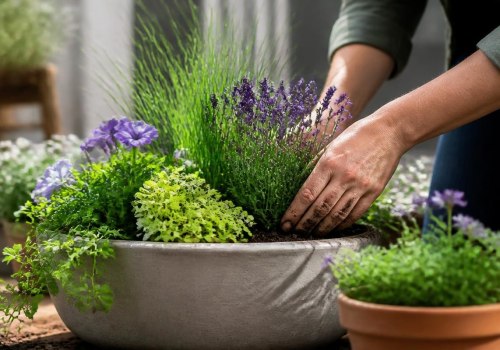
- Lavender: Known for its fragrant blooms, lavender is both drought-tolerant and attractive to pollinators.
- Agave: This hardy plant can withstand extreme heat and dry soil.
Native Plants
Choosing native plants is another effective strategy for selecting climate-appropriate flora. Native species are naturally adapted to your local environment, making them more resilient to pests and diseases.Additionally, they often require less water and fertilizer compared to non-native varieties. Consider incorporating:
- Echinacea (Coneflower): A hardy perennial that attracts butterflies and thrives in various soil types.
- Black-eyed Susan: This vibrant flower is drought-tolerant and blooms throughout the summer.
- Pawpaw trees: Ideal for shaded areas, these trees produce delicious fruit and support local wildlife.
Seasonal Plants
Your climate also dictates which plants will flourish during specific seasons. Understanding your growing season can help you select the right annuals and perennials. For example:- Spring bloomers: Plants like tulips and daffodils thrive in cooler temperatures.
- Summer favorites: Sunflowers and zinnias love the heat and can brighten up any garden.
- Fall harvesters: Consider planting pumpkins or kale for a bountiful autumn yield.
By choosing drought-resistant, native, and seasonal plants, you can create a thriving ecosystem that supports local wildlife while minimizing resource use.
Understanding Plant Needs and Care Requirements
When selecting plants for your garden, understanding their specific care requirements is crucial for ensuring their health and longevity. Each plant species has unique needs regarding water, sunlight, and nutrients, which can significantly affect their growth and flowering.Watering Needs
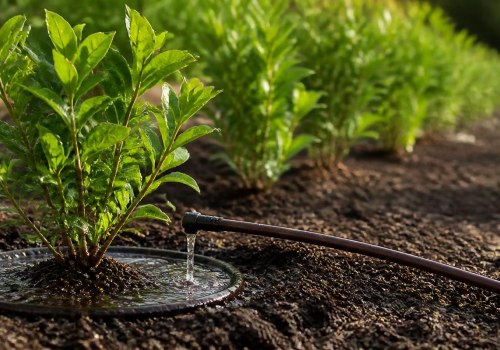
Watering is one of the most critical aspects of plant care. Different plants have varying watering needs. For instance:- Drought-tolerant plants , such as succulents and cacti, require minimal watering and thrive in dry conditions.
- Moisture-loving plants , like ferns and certain tropical species, need consistently damp soil to flourish.
- Most garden vegetables typically require regular watering, especially during dry spells, to produce healthy yields.
Sunlight Needs
Another essential factor is the amount of sunlight your plants will receive.Plants can be categorized based on their sunlight requirements:
- Full sun plants , like tomatoes and sunflowers, thrive with at least 6-8 hours of direct sunlight daily.
- Partial shade plants , such as hostas and astilbes, prefer a mix of sun and shade, ideally receiving 4-6 hours of sunlight.
- Shade-loving plants , including many ferns and some flowering perennials, do best in areas with less than 4 hours of direct sunlight.
Planning Your Garden Layout
Creating a successful garden layout involves careful consideration of plant compatibility and spacing. By planning your garden effectively, you can enhance both the growth of your plants and the overall aesthetics of your outdoor space.Garden Layout Tips:
- Assess Your Space: Start by measuring your garden area. Take note of sunlight exposure, soil type, and existing structures that may affect plant growth.
- Choose the Right Plants: Select plants that thrive in your climate zone.
Consider their mature size and growth habits to avoid overcrowding.
- Design Zones: Divide your garden into zones based on plant height and light requirements. Taller plants should be placed at the back or center, while shorter ones can fill in the front or edges.
Companion Planting:
Companion planting is a technique that involves grouping plants together that benefit each other. For example, planting tomatoes alongside basil can enhance flavor and deter pests. Here are some effective combinations:
- Carrots and Onions: These two plants can help repel each other's pests.
- Cucumbers and Corn: Corn provides support for climbing cucumbers while maximizing space.
- Beans and Squash: Beans fix nitrogen in the soil, benefiting squash plants.
Spacing Plants:
Proper spacing is crucial for healthy plant growth.
Overcrowded plants compete for nutrients, water, and sunlight, leading to poor development. Here are some guidelines for spacing:
- Follow Seed Packet Instructions: Always refer to seed packets or plant tags for specific spacing recommendations.
- Consider Mature Size: Allow enough space for each plant to reach its full size without hindrance.
- Aim for Airflow: Ensure adequate airflow between plants to reduce the risk of disease.
Common Mistakes to Avoid When Selecting Plants
When it comes to plant selection, avoiding common mistakes can significantly enhance your gardening success. Here are some pitfalls to watch out for:- Overplanting: One of the most frequent errors is planting too many species in a limited space. This can lead to overcrowding, which not only stunts growth but also increases competition for nutrients and water.
Always consider the mature size of each plant and allow adequate spacing to promote healthy development.
- Ignoring Local Conditions: Every garden has its unique microclimate influenced by factors such as sunlight, wind, and soil type. Failing to assess these conditions can result in selecting plants that are ill-suited for your environment. Conduct a thorough evaluation of your garden's conditions before making any selections.
- Neglecting Native Plants: Native plants are often the best choice for your garden as they are adapted to local climates and soil types. Ignoring them in favor of exotic species can lead to increased maintenance and lower survival rates.
Incorporating native plants can also support local wildlife.
- Choosing Plants Based on Aesthetics Alone: While it’s tempting to select plants solely for their appearance, it’s crucial to consider their growth habits, maintenance needs, and compatibility with existing plants. A beautiful flower may not thrive if it requires more sunlight than your garden provides.
Frequently Asked Questions About Plant Selection
When it comes to plant selection, many gardeners have questions that can significantly impact their gardening success. Here are some frequently asked questions that can guide you in choosing the right plants for your climate.What are the best plants for beginners?
If you're new to gardening, consider starting with hardy plants that require minimal maintenance.Some excellent options include:
- Marigolds: These vibrant flowers are not only beautiful but also repel pests.
- Succulents: Perfect for dry climates, they require little water and thrive in sunny spots.
- Herbs: Basil, mint, and rosemary are easy to grow and can enhance your culinary dishes.
- Hostas: Ideal for shaded areas, these plants add lush greenery with minimal effort.
How do I know which plants are suitable for my climate?
Understanding your local climate is crucial for successful planting. Here are some tips:- Research your USDA Hardiness Zone: This zone indicates which plants can survive in your area based on average winter temperatures.
- Consider microclimates: Your garden may have specific conditions such as shade, wind exposure, or moisture levels that affect plant growth.
- Consult local gardening resources: Local nurseries and extension services can provide valuable insights into the best plants for your region.
What seasonal planting questions should I consider?
Timing is everything when it comes to planting. Here are some seasonal considerations:- Spring planting: Ideal for most annuals and perennials; ensure the last frost date has passed.
- Fall planting: Great for perennials and bulbs, as they can establish roots before winter.
- Summer planting: Focus on heat-tolerant varieties if you choose to plant during this season.