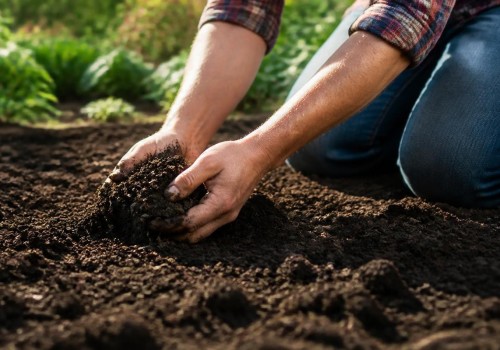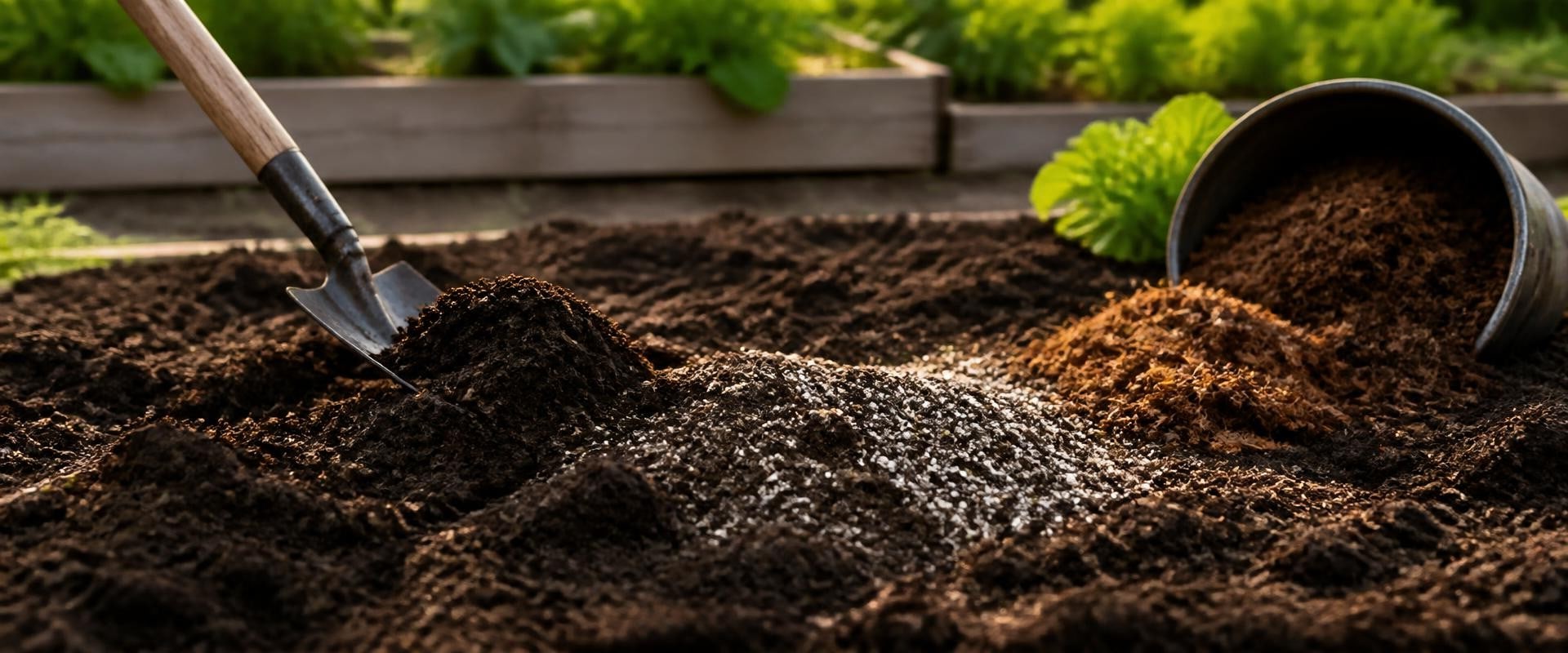
Understanding soil composition is essential for anyone looking to cultivate a thriving garden. Soil is not just dirt; it is a complex ecosystem composed of minerals, organic matter, water, and air. The balance of these components determines the health of your soil and, consequently, the success of your planting efforts. Different types of soil—such as sandy, clay, and loamy—each have unique characteristics that affect drainage, nutrient retention, and root development. Sandy soil, for instance, drains quickly but may lack essential nutrients, while clay soil retains moisture but can become compacted and hinder root growth.
Loamy soil is often considered ideal for gardening because it combines the best properties of both sandy and clay soils. Understanding these differences allows gardeners to make informed decisions about how to amend their soil effectively. To enhance soil health, it’s crucial to assess its current state before planting. This involves testing for pH levels, nutrient content, and organic matter. By identifying deficiencies or imbalances in your soil composition, you can implement targeted amendments such as compost, fertilizers, or other organic materials.
These amendments not only improve the physical structure of the soil but also promote beneficial microbial activity that supports plant growth. In summary, a solid grasp of soil types and their characteristics lays the groundwork for successful gardening. By taking the time to understand your soil's composition and health, you can make strategic amendments that will lead to a flourishing garden.
Why Amending Soil is Important
Amending your soil before planting is a crucial step that can significantly impact the health and productivity of your garden.Healthy plants
thrive in nutrient-rich environments, and soil amendment plays a vital role in creating such conditions.One of the primary benefits of amending soil is the improvement of nutrient availability. Many soils, especially those that are heavily used or poorly managed, can become depleted of essential nutrients over time.By adding organic matter, such as compost or well-rotted manure, you can replenish these nutrients, ensuring that your plants have access to the minerals they need for optimal growth.In addition to enhancing nutrient content, soil amendment also improves drainage. Compacted or clay-heavy soils often retain too much water, leading to root rot and other moisture-related issues. By incorporating materials like perlite or sand, you can create a more balanced soil structure that allows for better water movement and aeration. This is particularly important for root development and overall plant health.Furthermore, amended soil fosters a thriving ecosystem of beneficial microorganisms.
These organisms play a critical role in breaking down organic matter and making nutrients available to plants. A rich microbial community not only supports plant growth but also helps suppress diseases and pests.In summary, amending your soil before planting is essential for creating a fertile environment that promotes healthy plants. By improving nutrient availability, enhancing drainage, and supporting beneficial microorganisms, you set the stage for a successful gardening experience. Investing time in soil amendment will yield long-term benefits for your garden's productivity and vitality.
Signs Your Soil Needs Amending
Understanding the signs that your soil needs amending is crucial for successful gardening.Healthy soil is the foundation of a thriving garden, and recognizing its deficiencies can lead to better plant growth and yield.
Visual Signs of Poor Soil
- Compacted Soil: If your soil feels hard and dense, it may be compacted, limiting root growth and water infiltration.
- Poor Drainage: Water pooling on the surface after rain or irrigation indicates that your soil may be too clay-heavy or lacking organic matter.
- Weed Growth: An abundance of weeds can signal nutrient imbalances or poor soil health, as certain weeds thrive in degraded conditions.
- Stunted Plant Growth: If your plants are not thriving or showing signs of nutrient deficiencies, such as yellowing leaves, it may be time to amend your soil.
Soil Testing
One of the most effective ways to determine if your soil needs amending is through soil testing. This process involves collecting samples from different areas of your garden and sending them to a lab for analysis. The results will provide you with valuable information about:
- Nutrient levels (nitrogen, phosphorus, potassium)
- Soil pH
- Organic matter content
When to Amend Soil
The best time to amend your soil is before planting. However, if you notice any of the visual signs mentioned earlier or receive unfavorable results from a soil test, consider amending your soil immediately.
Regularly assessing your soil condition will help maintain its health and ensure optimal growing conditions for your plants.
Common Soil Amendments and Their Uses
When preparing your garden for planting, understanding the different types of soil amendments is crucial for enhancing soil quality and ensuring healthy plant growth. Soil amendments can be broadly categorized into organic and inorganic types, each serving unique purposes.Organic Amendments
- Compost: This is decomposed organic matter that enriches soil with nutrients and improves its structure. Compost enhances moisture retention and promotes beneficial microbial activity.
- Manure: Well-rotted animal manure is an excellent source of nitrogen and other essential nutrients. It also improves soil texture and water-holding capacity.
- Peat Moss: This amendment helps retain moisture and aerate the soil.
It is particularly beneficial for sandy soils that drain quickly.
- Cover Crops: Planting cover crops like clover or vetch during the off-season can add organic matter to the soil when tilled under, improving fertility and structure.
Inorganic Amendments
- Lime: Used to raise soil pH, lime is essential for acidic soils. It provides calcium and magnesium, which are vital for plant health.
- Sulfur: Conversely, sulfur lowers soil pH, making it suitable for acid-loving plants. It also aids in nutrient availability.
- Perlite and Vermiculite: These materials improve aeration and drainage in heavy soils, making them ideal for container gardening or compacted ground.
- Rock Phosphate: A slow-release source of phosphorus, rock phosphate is beneficial for root development and flowering plants.
How to Amend Your Soil: Step-by-Step Guide
Amending your soil is a crucial step in ensuring a successful garden.Here’s a step-by-step guide to help you prepare your soil effectively before planting.
- Test Your Soil: Begin by testing your soil to determine its pH and nutrient levels. You can purchase a soil test kit or send a sample to a local extension service. This will help you understand what amendments are necessary.
- Choose the Right Amendments: Based on your soil test results, select appropriate amendments. Common options include:
- Compost: Adds organic matter and improves soil structure.
- Peat Moss: Enhances moisture retention and aeration.
- Lime: Raises pH in acidic soils.
- Sulfur: Lowers pH in alkaline soils.
- Fertilizers: Provide essential nutrients like nitrogen, phosphorus, and potassium.
- Clear the Area: Remove any weeds, rocks, or debris from the planting area.
This will prevent competition for nutrients and ensure that your amendments can integrate into the soil effectively.
- Add Amendments: Spread your chosen amendments evenly over the soil surface. A general rule of thumb is to apply 2-4 inches of compost or organic matter.
- Till the Soil: Use a garden fork or tiller to mix the amendments into the top 6-12 inches of soil. This helps to ensure that the nutrients are well-distributed and accessible to plant roots.
- Moisten the Soil: After tilling, lightly water the area to help settle the amendments and activate microbial activity in the soil.
- Let It Rest: If possible, allow your amended soil to rest for a week or two before planting. This gives beneficial organisms time to break down organic matter and enrich the soil further.
Remember, healthy soil leads to thriving plants!
Best Practices for Soil Amendment Timing
Timing your soil amendment is crucial for ensuring that your plants thrive. Understanding when to amend soil can significantly impact the success of your garden. Here are some best practices to consider:- Fall Amendments: One of the best times to amend your soil is in the fall, after the growing season has ended. This allows organic matter, such as compost or well-rotted manure, to break down over the winter months, enriching the soil by spring.
- Spring Preparation: If you missed the fall window, early spring is another excellent time to amend your soil.
Aim to do this a few weeks before planting. This gives amendments time to integrate into the soil and improves its structure and nutrient content.
- Pre-Planting Amendments: For specific crops, consider amending the soil just before planting. Conduct a soil test to determine nutrient deficiencies and adjust accordingly. For example, adding lime can help raise pH levels if your test indicates acidity.
- Summer Amendments: While not ideal for all plants, some gardeners choose to amend their soil during the summer for fall crops.
This can include adding nitrogen-rich materials like green manure.
- Weather Considerations: Avoid amending soil when it is too wet or too dry. Wet soil can lead to compaction, while dry soil may not allow for proper incorporation of amendments.
Frequently Asked Questions About Soil Amendment
Amending soil is a crucial step for successful planting, and many gardeners have questions about how to do it effectively. Here are some common queries regarding soil amendment:What is soil amendment?
Soil amendment refers to the process of adding materials to the soil to improve its physical or chemical properties. This can enhance soil fertility, structure, and drainage, making it more conducive for plant growth.Why should I amend my soil?
Amending your soil can help address specific issues such as poor drainage, low nutrient levels, or compacted soil.By improving these factors, you create a healthier environment for your plants, leading to better growth and yields.
What materials can I use to amend my soil?
- Compost: Adds nutrients and improves soil structure.
- Peat moss: Enhances moisture retention and aeration.
- Perlite or vermiculite: Improves drainage and aeration in heavy soils.
- Lime: Raises pH levels in acidic soils.
- Sulfur: Lowers pH levels in alkaline soils.
How do I know if my soil needs amending?
You can assess your soil's health through a simple test. Look for signs such as:- Poor plant growth or yellowing leaves.
- Soil that is too hard or compacted.
- Poor drainage or water pooling on the surface.
Can I over-amend my soil?
Yes, over-amending can lead to nutrient imbalances and negatively affect plant health. It's essential to follow recommended guidelines for the amount of amendment to use based on your specific soil conditions.If you have further questions about amending your soil, consider consulting with local gardening experts or extension services for tailored advice.Conclusion: Key Takeaways on Soil Amendment Before Planting
In conclusion, amending your soil before planting is a crucial step that can significantly impact the health and productivity of your garden. By understanding the specific needs of your soil and the plants you intend to grow, you can create an optimal environment for growth.Key takeaways include:
- Testing your soil is essential to determine its pH, nutrient levels, and texture.
This information will guide you in selecting the right amendments.
- Incorporating organic matter, such as compost or well-rotted manure, enhances soil structure and fertility, providing essential nutrients for your plants.
- Adjusting pH levels with lime or sulfur can help create a more favorable environment for nutrient uptake.
- Utilizing cover crops can improve soil health by preventing erosion, enhancing nutrient cycling, and increasing organic matter.
- Regularly monitoring and amending your soil will ensure it remains healthy and productive over time.