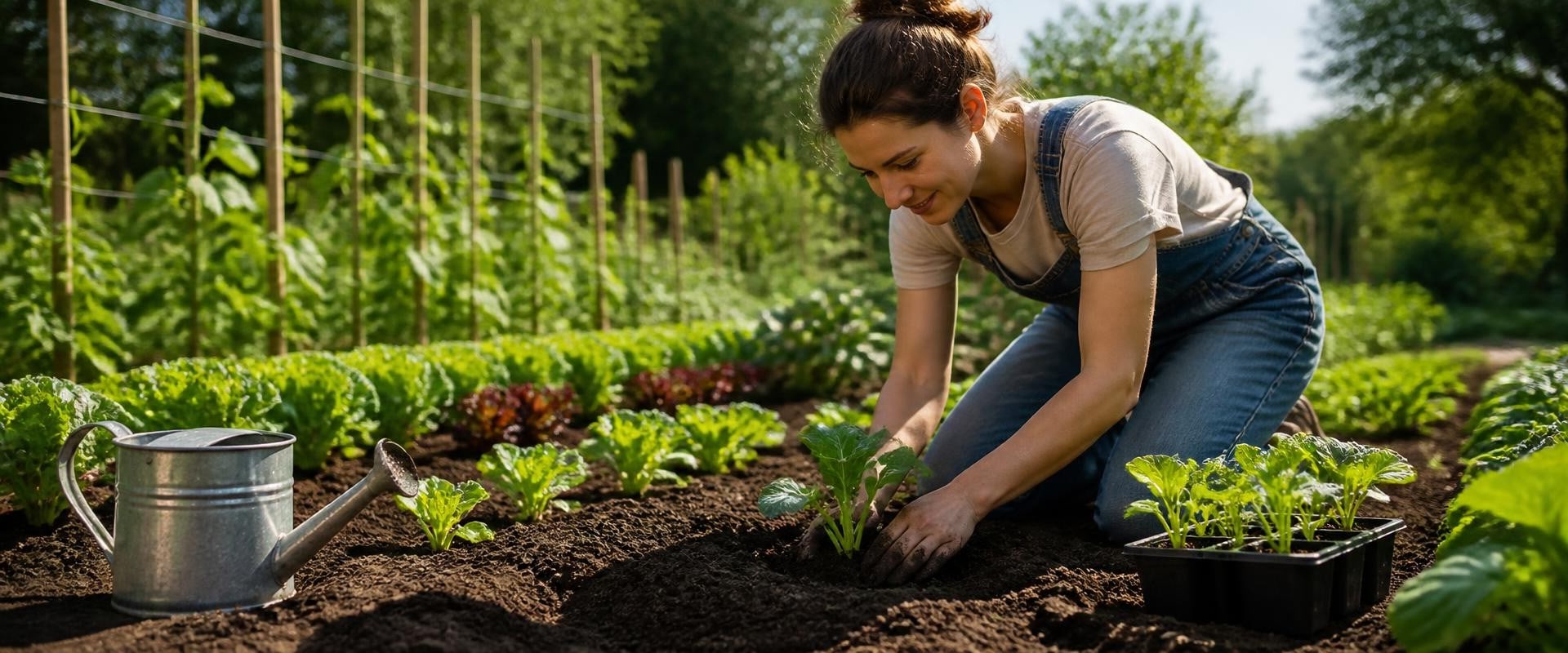
When embarking on your vegetable gardening journey, understanding your garden environment is paramount. The success of your garden largely hinges on how well you adapt to the specific conditions of your locale. Factors such as soil type, climate considerations, and sunlight requirements play a crucial role in determining which vegetables will thrive in your garden. First, let’s delve into soil types. Different vegetables have varying preferences for soil composition, drainage, and pH levels.
For instance, root vegetables like carrots and potatoes flourish in loose, sandy soils that allow for easy growth, while leafy greens such as spinach prefer rich, loamy soils that retain moisture. Conducting a soil test can provide valuable insights into its nutrient content and acidity, enabling you to amend it appropriately for optimal plant health. Next, consider the climate of your region. Understanding the average temperatures, frost dates, and seasonal rainfall can help you select the right planting times and vegetable varieties. For example, cool-season crops like broccoli and peas can be planted early in the spring or late in the fall, while warm-season crops such as tomatoes and peppers should be planted after the last frost date.
Additionally, knowing your hardiness zone can guide you in choosing vegetables that are best suited for your area. Lastly, sunlight requirements are essential to consider when planning your vegetable garden layout. Most vegetables require at least six hours of direct sunlight each day to produce a bountiful harvest. Observing how sunlight moves across your garden throughout the day will help you position taller plants to avoid shading shorter ones. By taking these environmental factors into account, you can create a thriving vegetable garden that yields delicious produce all season long.
Choosing the Right Vegetables to Plant
Choosing the right vegetables to plant is crucial for a thriving garden.Understanding seasonality and companion planting can significantly enhance your gardening success.
Best Vegetables to Plant
When selecting vegetables, consider your local climate and the time of year. Some of the best vegetables to plant include:- Spring: Lettuce, spinach, peas, and radishes thrive in cooler temperatures.
- Summer: Tomatoes, peppers, cucumbers, and squash flourish in warmer weather.
- Fall: Broccoli, kale, and carrots can be planted as the weather cools down.
Seasonal Vegetables
Understanding which vegetables grow best in each season can help you maximize your harvest. For instance, planting seasonal vegetables like zucchini in late spring ensures they have enough warmth to grow. Conversely, root vegetables like carrots can be sown in late summer for a fall harvest.Companion Planting
Companion planting is another effective strategy that involves growing different plants together for mutual benefits.For example:
- Basil and Tomatoes: Basil can enhance the flavor of tomatoes while repelling pests.
- Corn and Beans: Corn provides support for climbing beans, while beans fix nitrogen in the soil.
- Carrots and Onions: These two can deter pests from each other when planted nearby.
Preparing Your Soil for Planting
Preparing your soil is a crucial step in establishing a thriving vegetable garden. Healthy soil not only supports plant growth but also enhances nutrient availability and promotes overall plant health. Here are some essential planting tips for effective soil preparation:Testing Soil pH
The first step in preparing your soil is to test its pH level.Most vegetables prefer a slightly acidic to neutral pH, typically between 6.0 and 7.0. You can purchase a soil pH test kit from a garden center or send a sample to a local extension service for analysis. Understanding your soil's pH will help you determine what amendments are necessary to create an optimal growing environment.
Soil Amendments
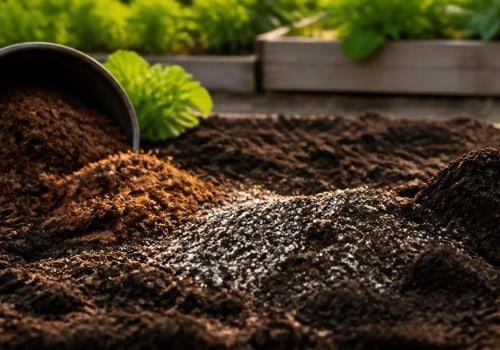
Once you know your soil's pH, you can make informed decisions about soil amendments. Here are some common amendments to consider:- Lime: If your soil is too acidic, adding lime can help raise the pH.
- Sulfur: Conversely, if your soil is too alkaline, sulfur can lower the pH.
- Compost: Incorporating well-rotted compost enriches the soil with organic matter and nutrients.
- Manure: Aged manure is another excellent source of nutrients that can improve soil structure.
- Peat Moss: This helps retain moisture and improves aeration in sandy soils.
Tilling and Aeration
After adding amendments, it’s important to till the soil thoroughly.Tilling helps mix the amendments into the topsoil, ensuring that nutrients are evenly distributed. Additionally, aerating the soil improves drainage and root penetration, which is vital for healthy plant growth.Finally, allow your amended soil to rest for a few days before planting. This waiting period gives the amendments time to integrate into the soil structure, creating a fertile foundation for your vegetable garden.
Effective Planting Techniques
When it comes to successful vegetable gardening, understanding effective planting techniques is crucial. These techniques not only enhance the growth potential of your plants but also ensure a healthier garden overall.Seed Depth
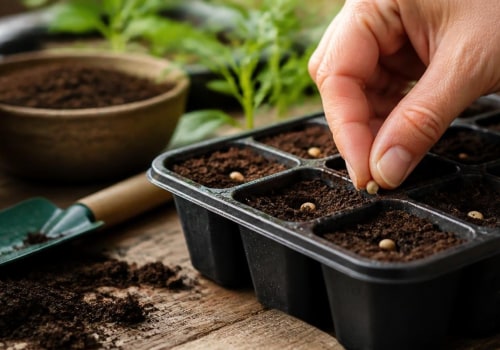
One of the most important aspects of planting is the depth at which seeds are sown.Different vegetables require different depths for optimal germination:
- Small seeds, such as lettuce and carrots, should be planted shallowly, about 1/4 inch deep.
- Medium seeds, like beans and peas, typically do well when planted 1 to 2 inches deep.
- Large seeds, such as squash and pumpkins, should be buried about 2 to 3 inches deep.
Spacing Plants
Proper spacing between plants is another critical factor that can influence growth. Crowded plants compete for nutrients, water, and sunlight, leading to stunted growth. Here are some general guidelines:- Leafy greens: Space them about 6 to 12 inches apart.
- Root vegetables: Allow 2 to 4 inches between each plant.
- Larger plants, like tomatoes and peppers, should be spaced at least 18 to 24 inches apart.
Transplanting Tips
If you're starting your vegetables indoors or purchasing seedlings from a nursery, knowing how to properly transplant them is essential:- Harden off seedlings: Gradually acclimate them to outdoor conditions by placing them outside for a few hours each day over a week.
- Choose the right time: Transplant on a cloudy day or in the late afternoon to reduce stress on the plants.
- Dig a proper hole: Ensure the hole is wide enough to accommodate the root ball without crowding.
- Water thoroughly: After transplanting, give your seedlings a good drink to help them settle into their new environment.
Watering and Irrigation Strategies
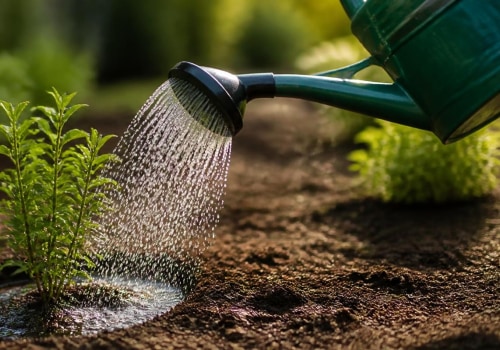
Effective watering tips are essential for maintaining a thriving vegetable garden. Understanding the right amount of moisture your plants need can significantly impact their growth and yield. One of the most important aspects of watering is timing.Early morning is the best time to water your garden, as it allows plants to absorb moisture before the heat of the day causes evaporation. Additionally, watering in the morning helps prevent fungal diseases that can thrive in damp conditions.
Irrigation methods
can vary based on your garden's size and layout. Here are some popular options:- Drip Irrigation: This method delivers water directly to the roots of plants through a network of tubing and emitters. It minimizes water waste and reduces the risk of disease.
- Soaker Hoses: These porous hoses allow water to seep out slowly along their length, providing consistent moisture to the soil.
- Sprinklers: While effective for larger areas, sprinklers can lead to water loss through evaporation and runoff.
If using this method, consider using a timer to optimize watering times.
Yellowing leaves may indicate too much water, while wilting leaves can signal a lack of moisture. Adjust your watering practices accordingly to ensure your vegetable garden remains healthy and productive.
Managing Pests and Diseases in Your Garden
Managing pests and diseases in your vegetable garden is crucial for maintaining a healthy ecosystem and ensuring the quality of your produce. Here are some effective planting tips to help you achieve this:Integrated Pest Management (IPM)
Implementing an Integrated Pest Management (IPM) approach can significantly reduce pest populations while minimizing harm to beneficial insects. This strategy involves:- Monitoring: Regularly inspect your plants for signs of pests or diseases.
- Identification: Correctly identify pests and diseases to choose the most effective control methods.
- Prevention: Use crop rotation, companion planting, and resistant varieties to deter pests.
Organic Pest Control Methods
For those looking to maintain an organic garden, there are several natural pest control methods you can employ:- Neem Oil: Derived from the seeds of the neem tree, this oil disrupts the life cycle of pests without harming beneficial insects.
- Diatomaceous Earth: This natural powder can be sprinkled around plants to deter soft-bodied insects like slugs and aphids.
- Insecticidal Soap: A mixture of soap and water can effectively kill soft-bodied insects on contact.
Disease Prevention Strategies
Preventing diseases in your vegetable garden is just as important as managing pests.Here are some strategies to consider:
- Proper Spacing: Ensure adequate spacing between plants to improve air circulation and reduce humidity, which can lead to fungal diseases.
- Cleansing Tools: Regularly disinfect gardening tools to prevent the spread of pathogens.
- Healthy Soil: Maintain healthy soil through composting and mulching, which can enhance plant resilience against diseases.
Harvesting Your Vegetables at the Right Time
Harvesting your vegetables at the right time is crucial for maximizing both flavor and nutritional value. Each type of vegetable has its own ideal harvest window, which can vary based on factors such as variety, climate, and growing conditions.When to Harvest Vegetables
To determine the best time to harvest, consider the following tips:- Color and Size: Many vegetables change color or size when they are ripe. For example, tomatoes should be harvested when they are fully colored and slightly soft to the touch.
- Days to Maturity: Refer to seed packets or plant labels for information on the average days to maturity. This can give you a good estimate of when to start checking for ripeness.
- Texture: Some vegetables, like cucumbers and zucchini, should be harvested while they are still tender.
Check them regularly to ensure they don’t become overripe and tough.
Harvesting Tips
When it’s time to harvest, follow these tips for the best results:- Use Clean Tools: Always use clean scissors or garden shears to avoid damaging the plant and to prevent disease transmission.
- Harvest in the Morning: Early morning is often the best time to harvest vegetables, as they are typically crisp and full of moisture.
- Avoid Pulling: Instead of pulling vegetables from the ground, cut them at the base. This helps prevent damage to the plant and allows it to continue producing.
Post-Harvest Care
After harvesting, proper care can extend the shelf life of your vegetables:- Wash Gently: Rinse your vegetables under cool water to remove dirt but avoid soaking them, which can lead to spoilage.
- Store Properly: Different vegetables have different storage needs. For example, leafy greens should be stored in a damp paper towel in a plastic bag in the refrigerator, while root vegetables can be kept in a cool, dark place.
- Avoid Overcrowding: When storing harvested vegetables, ensure they have enough space. Overcrowding can lead to bruising and faster spoilage.
Frequently Asked Questions About Vegetable Gardening
Vegetable gardening can be a rewarding yet challenging endeavor, especially for beginners.Here are some frequently asked questions that can help you navigate common concerns and enhance your gardening experience.
What vegetables are easiest to grow for beginners?
If you're just starting out, consider planting easy-to-grow vegetables such as radishes, lettuce, and green beans. These crops typically germinate quickly and require minimal maintenance, making them ideal for novice gardeners.How do I know when to plant my seeds?
The timing of your planting is crucial. Most seeds should be planted after the last frost date in your area. You can find this information through local gardening centers or online resources.Additionally, check the seed packet for specific planting instructions regarding depth and spacing.
What should I do if my plants are not growing well?
If your plants are struggling, consider the following troubleshooting tips:- Check soil quality: Ensure your soil is rich in nutrients and has good drainage.
- Watering: Overwatering or underwatering can both hinder growth. Aim for consistent moisture without waterlogging.
- Pest control: Inspect your plants for pests or diseases that may be affecting their health.
How often should I fertilize my vegetable garden?
Fertilization frequency depends on the type of vegetables you are growing and the quality of your soil. Generally, applying a balanced fertilizer every 4-6 weeks during the growing season can promote healthy growth. Always follow the instructions on the fertilizer package to avoid over-fertilizing.Can I grow vegetables in containers?
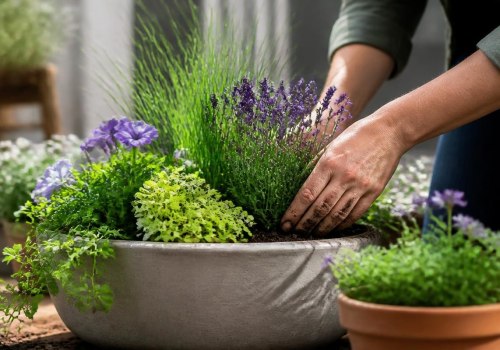
Absolutely! Container gardening is a fantastic option for those with limited space.Choose containers that are at least 12 inches deep for root vegetables and ensure they have drainage holes. Use high-quality potting soil to provide adequate nutrients.By addressing these common questions, you can build confidence in your vegetable gardening skills and enjoy a fruitful harvest!.