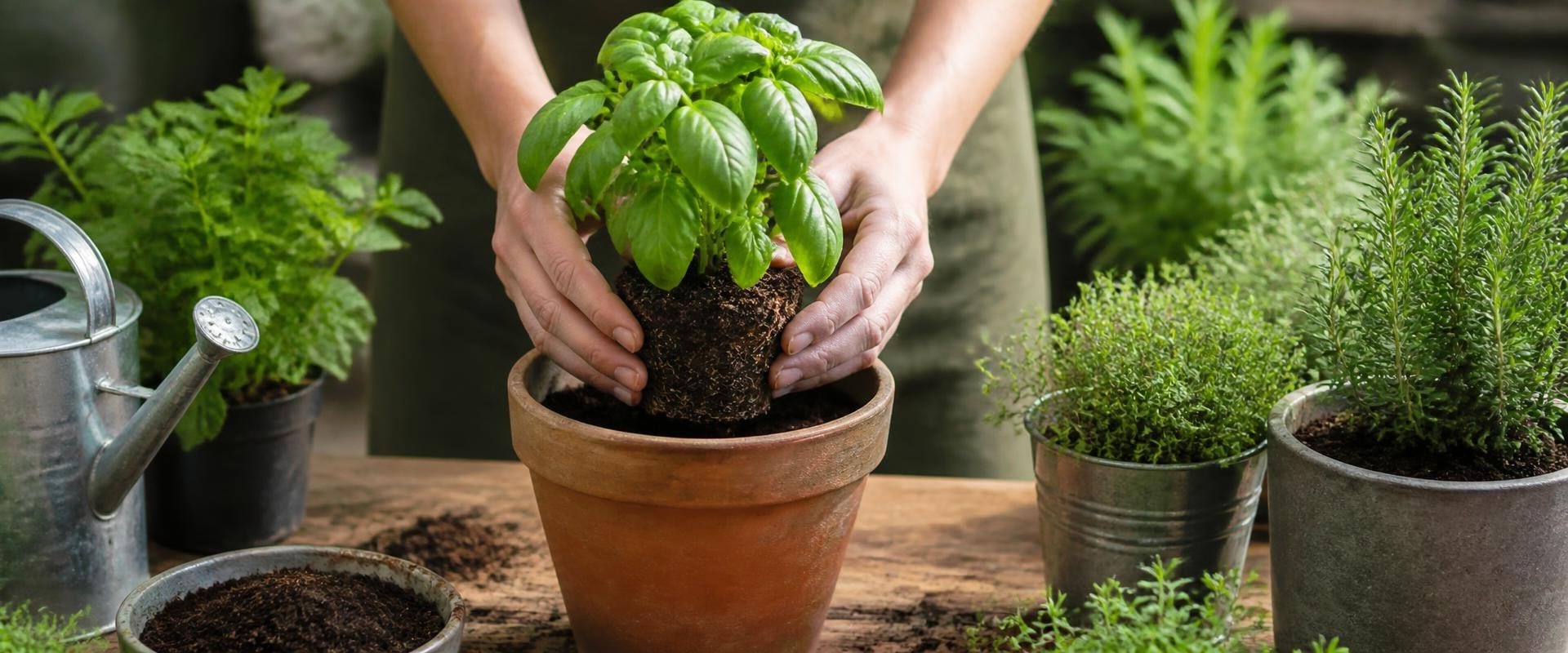
Herb gardening is a rewarding endeavor that not only enhances your culinary experiences but also contributes to a healthier lifestyle. By growing your own herbs, you gain access to fresh, aromatic ingredients that can elevate any dish. Whether you are a seasoned gardener or a novice, understanding the basics of herb gardening is essential for creating a thriving herb garden. One of the primary benefits of planting herbs is their versatility. Herbs can be grown in various settings, from spacious backyards to small balconies or even kitchen windowsills.
This adaptability makes them an ideal choice for anyone looking to start gardening, regardless of space constraints. Additionally, many herbs are known for their medicinal properties, offering natural remedies that can enhance well-being. Setting up your herb garden requires careful consideration of factors such as sunlight, soil quality, and watering needs. Each herb has its unique requirements, and understanding these will help you create an environment where they can flourish. In the following sections, we will delve deeper into specific planting tips that will guide you through the process of selecting the right herbs, preparing your garden space, and ensuring optimal growth.
Choosing the Right Herbs for Your Garden
When it comes to planting herbs, selecting the right varieties for your garden is essential for success.The best herbs to plant depend on several factors, including your local climate, available space, and personal culinary preferences.
Consider Your Climate
Different herbs thrive in various climates. For instance, if you live in a warmer region, consider planting basil, oregano, and thyme, which flourish in sunny conditions. Conversely, if you reside in a cooler area, herbs like chives, parsley, and cilantro may be more suitable as they can tolerate lower temperatures.Assess Your Space
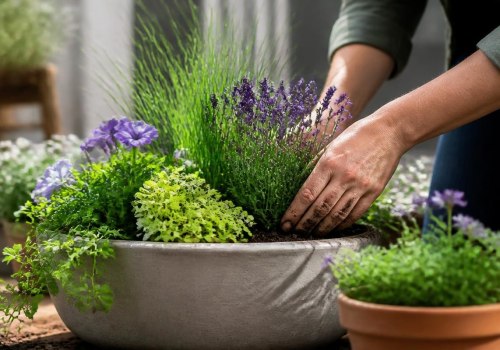
The amount of space you have available will also influence your herb selection. If you're limited to a small balcony or patio, consider growing compact herbs such as mint, rosemary, and sage.These can thrive in pots and containers, making them ideal for urban gardening. On the other hand, if you have a larger garden bed, you can experiment with a wider variety of herbs.
Personal Preference Matters
Your culinary tastes should guide your herb choices. If you frequently cook Italian dishes, herbs like basil, oregano, and parsley are excellent options. For those who enjoy Asian cuisine, consider planting cilantro, basil, and lemongrass.By selecting herbs that you love to use in your cooking, you'll ensure that your garden is both productive and enjoyable.
Beginner-Friendly Herbs
If you're new to gardening, start with easy-to-grow herbs that require minimal care. Some of the best beginner herbs include:- Basil: Thrives in warm weather and is perfect for beginners.
- Chives: Hardy and can grow in various conditions.
- Peppermint: Grows vigorously and can be contained in pots.
- Parsley: A versatile herb that adds flavor to many dishes.
- Thyme: Drought-resistant and requires little maintenance.
Optimal Planting Conditions for Herbs
To cultivate healthy herbs, understanding the optimal planting conditions is crucial. This includes selecting the right soil, ensuring adequate sunlight, and maintaining appropriate temperature levels.Soil Requirements
Herbs thrive in well-draining soil that is rich in organic matter.A loamy soil mix is ideal, as it retains moisture while allowing excess water to drain away. Consider the following soil tips:
- pH Level: Most herbs prefer a pH between 6.0 and 7.0. Conduct a soil test to determine your soil's pH and amend it if necessary.
- Organic Matter: Incorporate compost or well-rotted manure to enhance nutrient content and improve soil structure.
- Drainage: Ensure your planting area has good drainage to prevent root rot. Raised beds or containers can be beneficial.
Sunlight Needs
Sunlight is another critical factor for successful herb growth.Most herbs require at least 6 to 8 hours of direct sunlight each day. Here are some considerations:
- Location: Choose a sunny spot in your garden or on your balcony that receives ample sunlight throughout the day.
- Indoor Herbs: If growing indoors, place herbs near south-facing windows or use grow lights to supplement natural light.
- Shade Tolerance: Some herbs, like mint and parsley, can tolerate partial shade but will grow best with more sunlight.
Temperature Conditions
The ideal temperature for most herbs ranges from 60°F to 75°F. Here are some tips for managing temperature:- Avoid Frost: Plant herbs after the last frost date in your area to prevent damage from cold temperatures.
- Heat Sensitivity: Be mindful of extreme heat; some herbs may bolt or lose flavor if temperatures exceed 85°F.
- Microclimates: Utilize microclimates in your garden, such as sheltered spots or areas with reflective surfaces, to create favorable conditions for sensitive herbs.
Planting Techniques for Healthy Herb Growth
When it comes to planting herbs, understanding the right techniques can significantly impact their growth and health. Here are some essential planting tips to ensure your herbs thrive.Spacing and Arrangement
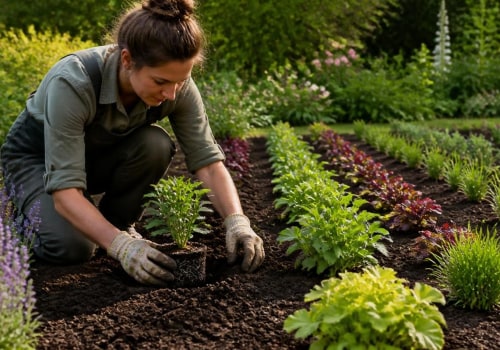
Proper spacing is crucial for healthy herb growth.Each herb has its own requirements, but a general rule of thumb is to space plants about 12 to 18 inches apart. This allows for adequate air circulation and prevents overcrowding, which can lead to disease.
Planting Depth
The depth at which you plant your herbs can affect their root development. As a guideline:- Basil: Plant seeds about 1/4 inch deep.
- Parsley: Sow seeds 1/2 inch deep.
- Cilantro: Plant seeds 1/4 inch deep.
Direct Sowing vs. Transplanting
Deciding whether to directly sow seeds or transplant seedlings depends on the herb type and your local climate:- Direct sowing is ideal for hardy herbs like dill and cilantro, which can be sown directly into the garden once the soil warms up.
- Transplanting is recommended for more delicate herbs such as basil and thyme, which benefit from starting indoors and being moved outside after the last frost.
Watering and Fertilizing Your Herbs
Proper watering and fertilizing are crucial for the health and productivity of your herbs.Understanding the specific needs of each herb can significantly enhance their growth and flavor.
Watering Tips for Herbs
Herbs generally prefer well-drained soil, so it's essential to avoid overwatering. Here are some effective herb watering tips:- Check Soil Moisture: Before watering, check the top inch of soil. If it feels dry, it’s time to water.
- Water Deeply: When you do water, ensure that you water deeply to encourage roots to grow downwards.
- Time of Day: Water in the early morning or late afternoon to minimize evaporation and allow plants to absorb moisture effectively.
- Avoid Wet Foliage: Water at the base of the plant to keep leaves dry, which helps prevent fungal diseases.
Fertilizing Your Herbs
While many herbs thrive in poor soil, occasional fertilization can boost their growth. Here are some tips for fertilizing herbs:- Select the Right Fertilizer: Use a balanced, organic fertilizer or one specifically formulated for herbs.
- Frequency: Fertilize every 4-6 weeks during the growing season, but reduce or stop in the fall and winter when growth slows.
- Dilution is Key: Always dilute fertilizers according to package instructions to avoid burning the roots.
- Observe Plant Response: Monitor your herbs for signs of nutrient deficiency or excess; yellowing leaves may indicate a need for more nutrients.
By following these tips, you can ensure that your herb garden thrives throughout the growing season.
Common Pests and Diseases in Herb Gardens
Maintaining a thriving herb garden requires vigilance against common pests and diseases that can threaten your plants. Understanding these threats is crucial for effective pest control and ensuring the health of your herbs.Common Herb Pests
- Aphids: These small, soft-bodied insects suck the sap from plants, leading to stunted growth and yellowing leaves. They can be controlled by introducing natural predators like ladybugs or using insecticidal soap.
- Spider Mites: Often found in dry conditions, spider mites create fine webs on the undersides of leaves. Regularly misting your herbs can help prevent infestations, along with neem oil treatments.
- Whiteflies: Similar to aphids, whiteflies feed on plant sap and can cause significant damage.
Yellow sticky traps can help monitor and reduce their population.
Diseases Affecting Herbs
- Powdery Mildew: This fungal disease appears as a white powdery substance on leaves. To prevent it, ensure good air circulation and avoid overhead watering. If it occurs, remove affected leaves and apply a fungicide if necessary.
- Root Rot: Caused by overwatering or poorly draining soil, root rot can quickly kill your herbs. To prevent this, ensure proper drainage and only water when the top inch of soil is dry.
Regularly inspect your plants for signs of pests or diseases, and act quickly if you notice any issues. By maintaining good garden hygiene—such as cleaning up fallen leaves and debris—you can significantly reduce the risk of infestations and infections. In addition to these strategies, consider companion planting as a natural way to deter pests. For example, planting basil near tomatoes can help repel aphids and other harmful insects. By being proactive and informed about herb pests and diseases, you can enjoy a flourishing herb garden all season long.
Harvesting and Storing Your Herbs
Harvesting your herbs at the right time is crucial for maximizing their flavor and potency.Generally, the best time to harvest herbs is in the morning after the dew has dried but before the sun is too hot. This timing helps preserve the essential oils that give herbs their distinctive taste and aroma.When it comes to how to harvest herbs , follow these simple steps:
- Use clean, sharp scissors or pruning shears to avoid damaging the plant.
- Cut above a leaf node, which encourages new growth and prevents the plant from becoming leggy.
- Only take what you need; this allows the plant to continue thriving.
- Refrigeration: Wrap herbs like basil, parsley, and cilantro in a damp paper towel and place them in a plastic bag in the refrigerator. This method keeps them fresh for up to a week.
- Water method: For hardy herbs like rosemary and thyme, place them upright in a jar with water, similar to a bouquet of flowers.
Cover loosely with a plastic bag and store in the fridge.
- Freezing: Chop herbs and mix them with olive oil or water in ice cube trays. Once frozen, transfer the cubes to a freezer bag for long-term storage.
- Drying: Hang bundles of herbs upside down in a cool, dark place until they are completely dry. Store them in airtight containers away from light.
- Pesto or herb pastes: Blend fresh herbs with nuts, cheese, and oil to create a flavorful paste that can be frozen for later use.
Frequently Asked Questions About Planting Herbs
When it comes to planting herbs, many gardeners have questions that can help them achieve a thriving herb garden.Here are some frequently asked questions that can guide you in your herb gardening journey.
What is the best time to plant herbs?
The ideal time to plant herbs varies depending on your climate. Generally, it’s best to plant herbs in the spring after the last frost date. However, some herbs like parsley and cilantro can be sown in early spring or even late summer for a fall harvest.How much sunlight do herbs need?
Most herbs thrive in full sun, requiring at least 6 to 8 hours of direct sunlight each day. If you’re growing herbs indoors, place them near a south-facing window or consider using grow lights to ensure they receive adequate light.What type of soil is best for herb planting?
Herbs prefer well-draining soil that is rich in organic matter.A mix of potting soil, compost, and perlite or sand can create an ideal environment for healthy root development. Ensure the pH level is between 6.0 and 7.0 for optimal growth.
Should I start herbs from seeds or seedlings?
This depends on your preference and the specific herb. Some herbs, like basil, are easy to grow from seeds, while others, such as rosemary, may benefit from starting with seedlings for quicker results. If you choose seeds, be patient as they may take longer to germinate.How often should I water my herbs?
Herbs generally prefer consistent moisture but dislike being waterlogged.Water them when the top inch of soil feels dry. During hot weather, you may need to water more frequently, while in cooler months, reduce watering accordingly.
Can I grow herbs indoors?
Absolutely! Many herbs can thrive indoors as long as they receive sufficient light and are planted in appropriate containers with good drainage. Consider growing chives, basil, and mint indoors for fresh flavors year-round.If you have more questions about specific herbs or gardening techniques, don’t hesitate to reach out to local gardening clubs or online forums for additional advice!Conclusion: Key Takeaways for Successful Herb Gardening
In conclusion, successful herb gardening hinges on a few essential planting tips that can significantly enhance your gardening experience and yield. By following these guidelines, you can cultivate a thriving herb garden that not only beautifies your space but also provides fresh ingredients for your culinary adventures.- Choose the Right Location: Ensure your herbs receive at least 6-8 hours of sunlight daily.
A sunny windowsill or a well-lit patio can be ideal spots.
- Soil Quality Matters: Use well-draining soil enriched with organic matter. This promotes healthy root development and nutrient absorption.
- Water Wisely: Herbs prefer consistent moisture but dislike soggy conditions. Water them when the top inch of soil feels dry to the touch.
- Consider Companion Planting: Some herbs thrive when planted together. For example, basil and tomatoes complement each other, enhancing growth and flavor.
- Regular Harvesting: Frequent trimming encourages bushier growth and prevents flowering, which can alter the flavor of your herbs.
Remember to observe their growth patterns and adjust care as needed. Each herb has its unique requirements, so take the time to learn about them individually.Ultimately, the joy of herb gardening lies in experimentation and discovery. Don’t hesitate to try new varieties or techniques as you gain confidence in your gardening skills. With patience and dedication, you’ll soon enjoy the fruits of your labor—fresh, aromatic herbs ready to elevate your dishes!.