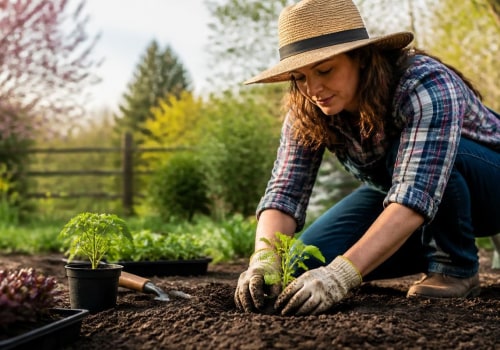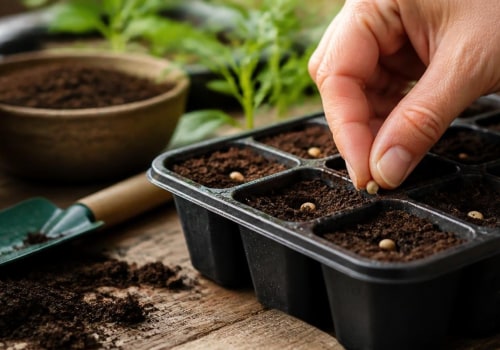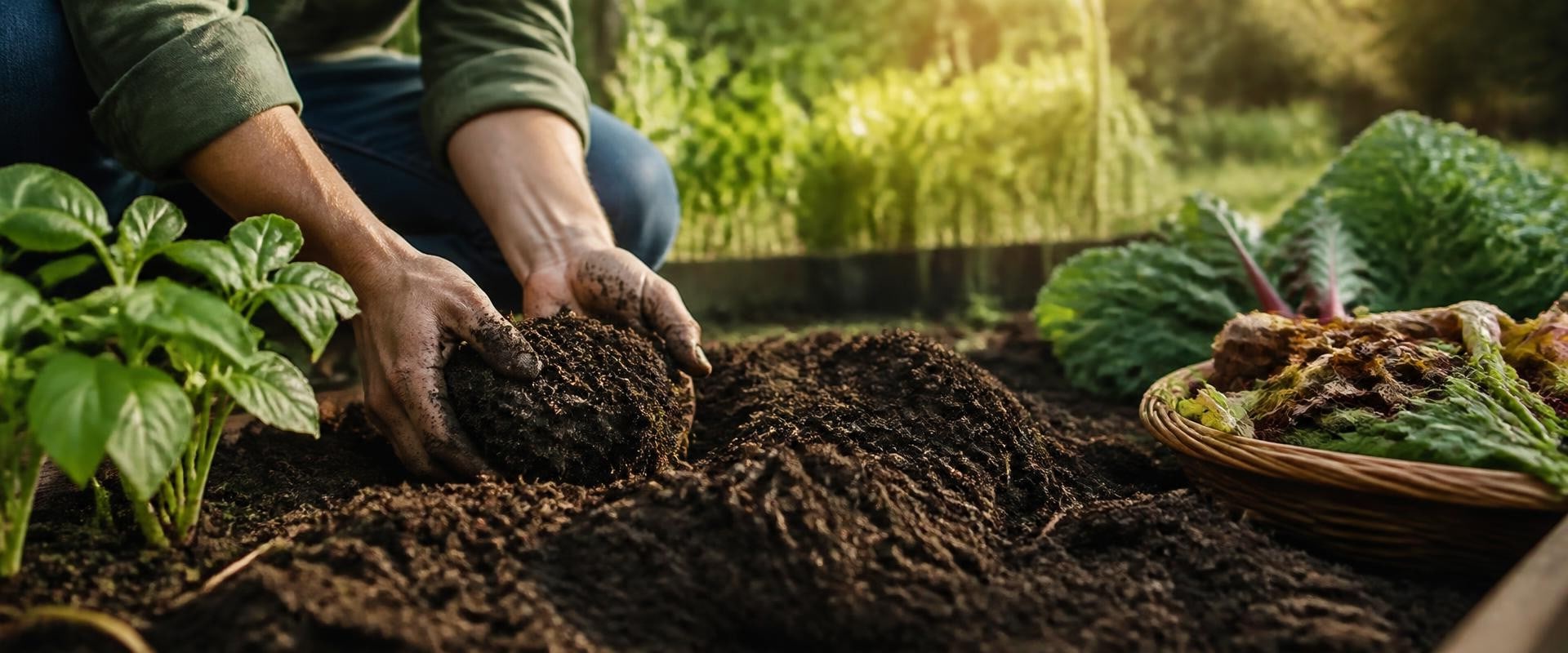
Soil fertility is a fundamental aspect of successful gardening and agriculture, serving as the foundation for healthy plant growth. Understanding soil fertility involves recognizing the balance of essential nutrients, organic matter, and microorganisms that contribute to a thriving ecosystem beneath our feet. Healthy soil not only supports plants but also plays a crucial role in water retention, erosion control, and carbon sequestration, making it vital for sustainable practices. The importance of soil health cannot be overstated; it directly influences crop yields and the overall vitality of gardens. Fertile soil provides plants with the necessary nutrients such as nitrogen, phosphorus, and potassium, which are critical for their development.
Additionally, soil health affects the availability of micronutrients and the soil's ability to retain moisture, both of which are essential for robust plant growth. Several factors affect soil fertility, including soil texture, pH levels, and organic matter content. For instance, sandy soils may drain quickly but lack nutrients, while clay soils can retain moisture yet may become compacted. Understanding these characteristics allows gardeners and farmers to implement effective strategies to enhance soil fertility. By focusing on improving soil health through various planting tips, one can create an environment where plants can flourish and ecosystems can thrive.
Choosing the Right Plants for Your Soil Type
Choosing the right plants is crucial for enhancing soil fertility.Different plants have unique abilities to improve soil health, making it essential to select those that align with your specific soil type.
Native Plants
Native plants are adapted to local conditions and often require less maintenance. They can significantly contribute to soil fertility by:- Improving Soil Structure: Their root systems help aerate the soil and promote better drainage.
- Enhancing Nutrient Cycling: Native plants often have symbiotic relationships with local microorganisms, which can enhance nutrient availability.
- Reducing Erosion: Their established root systems help hold soil in place, preventing erosion and nutrient loss.
Cover Crops
Another effective strategy for improving soil fertility is planting cover crops during the off-season. These crops, such as clover or vetch, serve multiple purposes:- Nitrogen Fixation: Leguminous cover crops can fix atmospheric nitrogen, enriching the soil.
- Weed Suppression: They can outcompete weeds, reducing the need for herbicides.
- Organic Matter Addition: When tilled back into the soil, cover crops add organic matter, enhancing soil structure and fertility.
Companion Planting
Companion planting involves growing different plants in proximity for mutual benefits. This technique can enhance soil health by:- Diverse Root Systems: Different root depths can improve nutrient uptake and reduce competition.
- Pest Control: Certain plants can repel pests or attract beneficial insects, reducing the need for chemical interventions.
- Nutrient Sharing: Some plants can share nutrients through their root systems, benefiting neighboring plants.
Soil Testing and Amendments
Understanding the nutrient composition of your soil is crucial for successful gardening and farming.Soil testing is the first step in this process, allowing you to identify deficiencies and excesses in essential nutrients. There are several methods for testing soil:
- DIY Soil Test Kits: These kits are available at garden centers and allow you to test pH levels and nutrient content at home.
- Laboratory Testing: For a more comprehensive analysis, sending a soil sample to a professional lab can provide detailed information about nutrient levels, organic matter, and soil texture.
- Compost: Adding well-decomposed compost enriches the soil with organic matter and beneficial microorganisms, enhancing nutrient availability.
- Manure: Aged manure is an excellent source of nitrogen and other nutrients. Ensure it is well-composted to avoid burning plants.
- Fertilizers: Depending on your soil test results, you may need to apply specific fertilizers.
Choose slow-release options to provide a steady supply of nutrients over time.
Organic Matter and Composting Techniques
Enhancing soil fertility is crucial for successful gardening, and one of the most effective ways to achieve this is through the incorporation of organic matter. Organic matter improves soil structure, increases moisture retention, and provides essential nutrients that plants need to thrive.Benefits of Organic Matter
- Improved Soil Structure: Organic matter helps bind soil particles together, creating a crumbly texture that allows for better air circulation and root penetration.
- Nutrient Supply: As organic matter decomposes, it releases nutrients such as nitrogen, phosphorus, and potassium, which are vital for plant growth.
- Enhanced Microbial Activity: A rich organic environment fosters beneficial microorganisms that contribute to nutrient cycling and disease suppression.
- Moisture Retention: Organic matter can hold several times its weight in water, helping to keep the soil moist during dry periods.
Composting Tips
Composting is an excellent way to create your own organic matter.
Here are some practical tips for effective composting:
- Choose the Right Location: Select a well-drained area with good air circulation for your compost pile or bin.
- Balance Green and Brown Materials: Combine nitrogen-rich green materials (like kitchen scraps and grass clippings) with carbon-rich brown materials (such as dried leaves and cardboard) in a ratio of about 2:1.
- Aerate Regularly: Turn your compost pile every few weeks to introduce oxygen, which speeds up the decomposition process.
- Monitor Moisture Levels: Keep your compost damp but not soggy. If it’s too dry, add water; if it’s too wet, add more brown materials.
How to Compost Effectively
To ensure your compost is effective, consider these additional strategies:
- Cut Materials into Smaller Pieces: Shredding or chopping up larger items helps them break down faster.
- Avoid Certain Items: Do not add meat, dairy, or oily foods as they can attract pests and create odors.
- Use a Compost Thermometer: Monitoring the temperature can help you determine if your compost is decomposing properly; ideally, it should reach between 130°F and 160°F.
Water Management for Soil Health
Effective water management is essential for maintaining soil health and fertility. Proper irrigation techniques not only ensure that plants receive adequate moisture but also help prevent soil erosion and nutrient leaching.Irrigation Techniques
- Drip Irrigation: This method delivers water directly to the plant roots, minimizing evaporation and runoff. It is particularly effective in conserving water while promoting deep root growth.
- Soaker Hoses: These hoses allow water to seep out slowly along their length, providing consistent moisture to the soil without saturating it.
- Rainwater Harvesting: Collecting rainwater can significantly reduce reliance on municipal water sources.
Using barrels or cisterns to store rainwater for irrigation is an eco-friendly practice that enhances soil moisture levels.
Water Conservation in Gardening
- Mulching: Applying a layer of organic mulch around plants helps retain soil moisture, suppress weeds, and improve soil structure as it decomposes.
- Soil Amendments: Incorporating organic matter such as compost or well-rotted manure can enhance the soil's ability to retain moisture, thereby improving its overall fertility.
- Timing of Watering: Watering early in the morning or late in the afternoon reduces evaporation losses and ensures that more water reaches the roots where it is needed most.
Crop Rotation and Its Benefits
Crop rotation
is a sustainable agricultural practice that involves alternating the types of crops grown in a particular area across seasons or years.
This method not only helps in maintaining soil fertility but also plays a crucial role in pest management and disease control.One of the primary benefits of crop rotation is its ability to prevent nutrient depletion. Different crops have varying nutrient requirements and uptake patterns. For instance, legumes such as beans and peas can fix nitrogen in the soil, enriching it for subsequent crops like corn or wheat that require higher nitrogen levels. By rotating these crops, farmers can naturally replenish soil nutrients without relying heavily on synthetic fertilizers.Additionally, crop rotation can significantly reduce the buildup of pests and diseases that often occur when the same crop is planted repeatedly in the same location.
For example, planting a different family of plants each season disrupts the life cycles of pests that target specific crops, leading to healthier plants and reduced reliance on chemical pesticides.To effectively rotate crops, consider the following tips:
- Plan your rotation: Create a schedule that includes a variety of crops from different families to ensure diversity.
- Group plants by nutrient needs: Follow heavy feeders with light feeders or nitrogen-fixing plants to balance soil nutrients.
- Monitor soil health: Regularly test your soil to understand its nutrient levels and adjust your crop choices accordingly.
Mulching Techniques for Soil Protection
Mulching is an essential practice for enhancing soil fertility and protecting your garden.By covering the soil with organic or inorganic materials, you can significantly improve its health and productivity. Here are some key benefits of mulching:
- Moisture retention: Mulch helps to retain soil moisture by reducing evaporation, which is crucial during dry spells.
- Erosion control: A layer of mulch protects the soil from wind and water erosion, maintaining its structure and nutrient content.
- Weed suppression: By blocking sunlight, mulch inhibits weed growth, reducing competition for nutrients and water.
- Temperature regulation: Mulch acts as an insulating layer, keeping the soil cooler in summer and warmer in winter.
- Organic matter addition: As organic mulch decomposes, it enriches the soil with nutrients, improving its fertility over time.
- Organic mulches: These include straw, grass clippings, wood chips, and shredded leaves. They break down over time, adding nutrients to the soil.
- Inorganic mulches: Materials like gravel, stones, or landscape fabric do not decompose but can be effective for weed control and moisture retention.
- Prepare the area: Clear the soil of weeds and debris before applying mulch to ensure maximum effectiveness.
- Apply the right thickness: A layer of 2-4 inches is generally recommended for most types of mulch. Too thin may not provide adequate benefits, while too thick can suffocate plants.
- Avoid mulch volcanoes: Keep mulch away from plant stems and trunks to prevent rot and pest issues.
- Replenish regularly: Organic mulches will decompose over time; replenish them as needed to maintain their benefits.
This simple yet effective practice is a cornerstone of sustainable gardening that supports healthy plant growth.
Common Mistakes to Avoid in Planting for Soil Fertility
When it comes to enhancing soil fertility, many gardeners unknowingly fall into common traps that can hinder their efforts. Recognizing these pitfalls is crucial for improving gardening techniques and ensuring a thriving garden.- Overlooking Soil Testing: One of the most significant mistakes is neglecting to test the soil before planting. Soil tests provide essential information about nutrient levels and pH balance, allowing gardeners to amend the soil appropriately. Without this knowledge, you may end up adding unnecessary fertilizers or amendments that could harm your plants.
- Ignoring Crop Rotation: Planting the same crops in the same location year after year can deplete specific nutrients from the soil.
Implementing a crop rotation strategy helps maintain soil health by allowing different plants to replenish nutrients and disrupt pest cycles.
- Compacting Soil: Walking on garden beds or using heavy equipment can compact the soil, reducing aeration and water infiltration. To avoid this, create designated pathways and use lightweight tools to minimize soil disturbance.
- Neglecting Organic Matter: Failing to incorporate organic matter, such as compost or well-rotted manure, can lead to poor soil structure and fertility. Regularly adding organic materials improves nutrient availability and enhances microbial activity in the soil.
- Planting Too Deep: Many gardeners mistakenly plant seeds or seedlings too deep, which can hinder their growth. Always follow planting depth guidelines specific to each plant type to ensure proper root development.
Taking proactive steps will lead to healthier plants and a more productive garden overall.
Frequently Asked Questions about Soil Fertility and Planting Tips
Understanding soil fertility and effective planting tips can significantly enhance your gardening success. Here are some frequently asked questions that can help clarify these concepts:What is soil fertility?
Soil fertility refers to the ability of soil to provide essential nutrients to plants. This includes macronutrients like nitrogen, phosphorus, and potassium, as well as micronutrients such as iron and zinc. Healthy soil supports plant growth by maintaining a balanced pH and good structure.How can I improve soil fertility?
- Add organic matter: Incorporating compost or well-rotted manure can enhance nutrient content and improve soil structure.
- Rotate crops: Practicing crop rotation helps prevent nutrient depletion and reduces pest buildup.
- Use cover crops: Planting cover crops during the off-season can prevent erosion and add nutrients back into the soil.
What are some effective planting tips for maintaining soil fertility?
- Test your soil: Regular soil testing helps you understand nutrient levels and pH, allowing for targeted amendments.
- Avoid over-fertilization: Excessive use of fertilizers can lead to nutrient runoff and harm local ecosystems.
- Mulch your garden: Applying mulch helps retain moisture, suppress weeds, and gradually adds organic matter as it decomposes.
How often should I amend my soil?
The frequency of soil amendments depends on your specific garden needs.Generally, it’s advisable to amend your soil at least once a year, ideally in the spring or fall, based on the results of your soil tests.If you have more questions about planting tips or soil fertility, consider consulting local gardening experts or extension services for tailored advice.