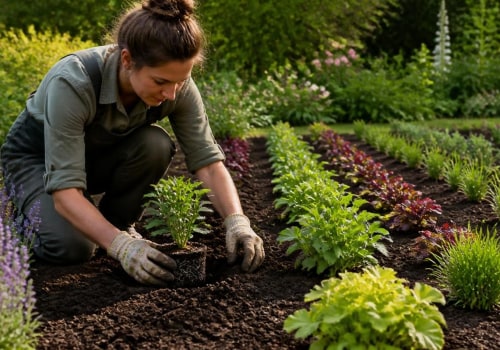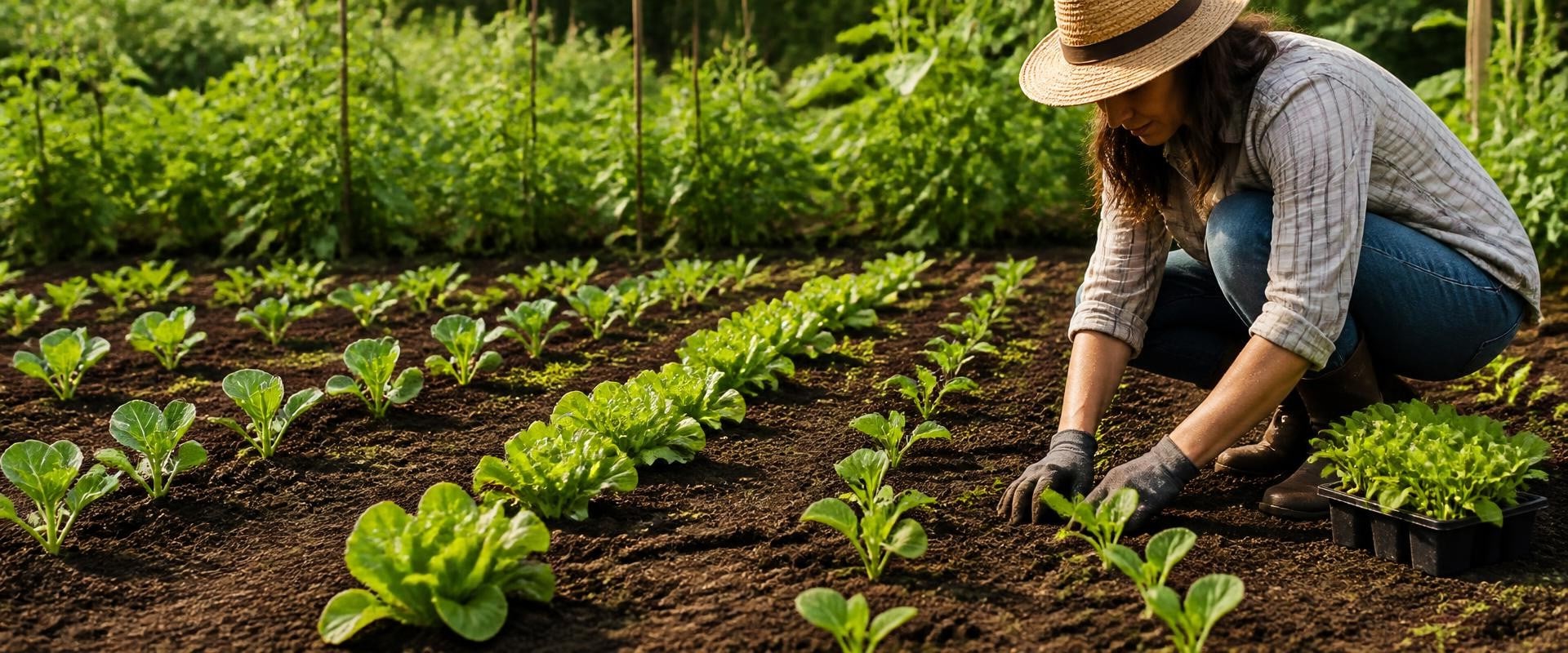
When embarking on your gardening journey, one of the most crucial planting tips to consider is the importance of plant spacing. Properly spacing your plants is not merely a matter of aesthetics; it plays a vital role in their overall health and productivity. Each plant species has its own unique requirements for space, which can significantly influence their growth patterns, nutrient uptake, and susceptibility to diseases. Understanding these needs is essential for any gardener aiming to cultivate a thriving garden. Why is it so important to space plants properly? When plants are crowded together, they compete for essential resources such as sunlight, water, and nutrients.
This competition can lead to stunted growth and reduced yields. Additionally, inadequate spacing can create a humid environment that fosters the development of fungal diseases and pests. By ensuring that each plant has enough room to grow, you not only promote healthier plants but also enhance air circulation and light penetration, which are critical for photosynthesis. The benefits of proper plant spacing extend beyond individual plant health. A well-spaced garden can lead to increased yields and better-quality produce.
For instance, vegetables like tomatoes and peppers thrive when given adequate space to develop their root systems and foliage. Furthermore, understanding the specific spacing needs of different plants allows you to create a more organized and visually appealing garden layout. In essence, mastering the art of plant spacing is a foundational skill that can elevate your gardening experience and results.
Factors to Consider When Spacing Plants
When it comes to spacing plants, several key factors must be taken into account to ensure healthy growth and optimal yields. Understanding these factors can significantly enhance your gardening success.- Plant Type: Different plants have varying space requirements.
For instance, large fruiting plants like tomatoes need more room than smaller herbs such as basil. Always check the specific spacing recommendations for each plant species.
- Growth Habits: Consider whether the plants are upright or sprawling. Vining plants, like cucumbers, require more horizontal space, while bush varieties can be planted closer together.
- Environmental Conditions: Sunlight, moisture, and air circulation play crucial roles in plant health. Plants that thrive in full sun may need more space to avoid shading each other, while those in shadier areas can often be planted closer together.
- Soil Quality: Rich, well-draining soil can support closer planting distances as it provides adequate nutrients and moisture.
Conversely, poor soil may necessitate greater spacing to reduce competition for resources.
- Pest and Disease Management: Adequate spacing can help prevent the spread of diseases and pests. Crowded plants are more susceptible to infestations and fungal infections, so consider leaving extra space between them.
Common Plant Types and Their Spacing Requirements
Understanding the specific spacing requirements for different plant types is crucial for a thriving garden. Each plant has unique needs that can significantly affect its growth and yield.Below are some common plant types along with their recommended spacing guidelines.
Vegetable Spacing Guide
When it comes to vegetables, proper spacing can enhance air circulation and reduce competition for nutrients. Here are some general guidelines:- Tomatoes: Space plants about 18 to 24 inches apart to allow for adequate airflow and sunlight.
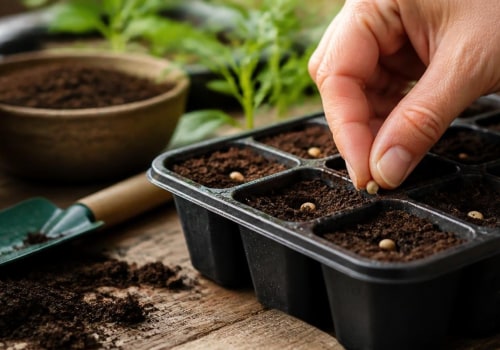
- Carrots: Sow seeds 2 to 4 inches apart, thinning them to about 2 inches once they sprout.
- Lettuce: For head varieties, space them 12 to 18 inches apart; leaf varieties can be closer at about 6 to 12 inches.
Flower Spacing Tips
Flowers also require specific spacing to flourish. Here are some tips:- Petunias: Plant them 10 to 12 inches apart for optimal blooming.
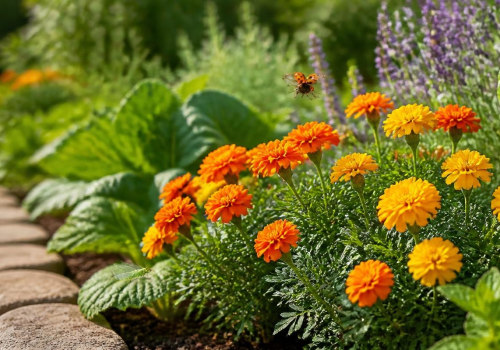
- Marigolds: Space these vibrant flowers about 8 to 10 inches apart to prevent overcrowding.
- Dahlias: These should be spaced at least 18 inches apart to accommodate their growth.
Shrubs and Perennials
Shrubs and perennials often need more room due to their larger size:- Boxwoods: Space them at least 2 to 3 feet apart, depending on the variety.
- Lavender: These fragrant plants should be spaced about 2 feet apart for good air circulation.
Using Companion Planting to Optimize Space
One of the most effective planting tips for maximizing space in your garden is to utilize companion planting.This technique involves pairing plants that benefit each other, allowing you to make the most of your available area while enhancing growth and productivity.
Benefits of Companion Planting
- Improved Growth: Certain plants can enhance the growth of their companions by providing nutrients or improving soil conditions.
- Pest Control: Some plants naturally repel pests, reducing the need for chemical pesticides.
- Efficient Use of Space: By planting compatible species together, you can maximize your garden's yield without overcrowding.
- Tomatoes and Basil: Basil not only enhances the flavor of tomatoes but also helps deter pests. Space them about 18-24 inches apart to allow for proper air circulation.
- Carrots and Onions: These two can be planted closely together, as onions help repel carrot flies. A spacing of 2-3 inches between each carrot and onion is ideal.
- Corn, Beans, and Squash (Three Sisters): This traditional Native American planting method allows corn to provide support for beans, while squash covers the ground to prevent weeds.
Space corn 12 inches apart, beans around 6 inches, and squash about 24 inches apart.
Spacing Techniques for Different Garden Layouts
When it comes to spacing techniques for different garden layouts, understanding the unique requirements of each setup is crucial for optimal plant growth. Here are some tailored tips for raised beds and container gardening.Raised Bed Planting Tips
In a raised bed, the soil is often richer and drains better than traditional garden plots. This allows for closer spacing of plants.Here are some guidelines:
- Leafy Greens: Space them about 6 to 12 inches apart. They thrive in close quarters and can be harvested continuously.
- Root Vegetables: Carrots and radishes should be spaced 2 to 4 inches apart to allow for proper root development.
- Tall Plants: For crops like tomatoes or peppers, maintain a distance of 18 to 24 inches to ensure they receive adequate sunlight and airflow.
Container Gardening Spacing
Container gardening offers flexibility but requires careful consideration of spacing due to limited soil volume. Here are some effective spacing strategies:- Small Containers: For pots under 12 inches in diameter, consider planting only one or two small herbs or flowers to avoid overcrowding.
- Medium Containers: In 12 to 16-inch pots, you can plant a combination of herbs or small vegetables, spacing them about 6 inches apart.
- Larger Containers: For pots larger than 16 inches, you can mix larger plants like tomatoes with smaller companions, ensuring at least 12 inches between larger plants.
Common Mistakes to Avoid When Spacing Plants
When it comes to spacing plants, even seasoned gardeners can fall into common traps that lead to poor growth and health of their plants.Here are some frequent mistakes to avoid:
- Ignoring Plant Size at Maturity: One of the biggest errors is not considering how large a plant will grow. Always check the mature size of your plants and space them accordingly. For instance, a small seedling may look manageable, but if it grows into a large bush, it could overshadow its neighbors.
- Overcrowding: Planting too closely together can lead to competition for nutrients, water, and sunlight. This can stunt growth and increase the risk of disease.
A good rule of thumb is to follow the spacing recommendations on seed packets or plant tags.
- Neglecting Growth Habits: Different plants have varying growth habits. Some may spread out while others grow tall. Understanding these habits can help you avoid placing taller plants in front of shorter ones, which can block sunlight.
- Not Considering Airflow: Proper airflow is crucial for preventing fungal diseases. When plants are too close together, air circulation is restricted, creating a humid environment that fosters disease.
Ensure adequate spacing to promote airflow.
- Failing to Adjust for Soil Conditions: Soil quality can affect how plants grow. In nutrient-rich soil, plants may thrive closer together than in poor soil. Always assess your soil conditions and adjust your spacing accordingly.
This will help you visualize how much space each plant will need and ensure they have room to grow without competing for resources. By being mindful of these common planting errors, you can create a thriving garden that showcases the beauty and health of your plants.
FAQs About Plant Spacing
When it comes to plant spacing, many gardeners have questions that can significantly impact the health and growth of their plants. Here are some common queries and their answers:How far apart should I plant my flowers?
The distance between flowers largely depends on the type of flowers you are planting. Generally, annuals can be spaced about 6 to 12 inches apart, while perennials may require 12 to 24 inches. Always check the specific requirements for each flower type, as some may need more room to thrive.What factors influence plant spacing?
- Plant Size: Larger plants need more space than smaller ones.
- Growth Habit: Spreading plants require more distance compared to upright varieties.
- Sunlight: Ensure that each plant has adequate access to sunlight without overcrowding.
- Air Circulation: Proper spacing helps prevent diseases by allowing air to circulate freely.
Can I plant vegetables closer together?
While it might be tempting to maximize your garden space by planting vegetables closer together, this can lead to competition for nutrients and water.A good rule of thumb is to follow the recommended spacing on seed packets or plant labels. For example, tomatoes should typically be spaced 18 to 24 inches apart, while leafy greens can often be planted closer together, around 6 to 12 inches.
What happens if I plant too closely?
If plants are spaced too closely, they may experience stunted growth, increased susceptibility to pests and diseases, and reduced yields. Overcrowding can also lead to poor air circulation, which is essential for healthy plants.In summary, understanding the specific needs of your plants is crucial for effective plant spacing. By considering factors such as size, growth habit, and environmental conditions, you can create a thriving garden that maximizes both beauty and productivity.Conclusion: Mastering Plant Spacing for a Thriving Garden
In conclusion, mastering plant spacing is essential for cultivating a thriving garden.By understanding the specific needs of each plant species and applying the planting tips discussed, you can create an environment that promotes healthy growth and maximizes your garden's potential. Remember, proper spacing not only allows for adequate sunlight and air circulation but also minimizes competition for nutrients and water. Here are some key takeaways to keep in mind:
- Research Plant Requirements: Different plants have varying space needs. Always check the recommended spacing for each type.
- Consider Growth Patterns: Take into account whether plants grow tall or spread wide, as this will influence how much room they need.
- Utilize Companion Planting: Some plants thrive when grown together, while others may hinder each other's growth. Plan accordingly.
- Adjust for Climate: In warmer climates, plants may require more space to prevent overheating and ensure adequate moisture retention.
Don’t hesitate to experiment with different layouts and spacing techniques to find what works best for your garden. Happy planting!.