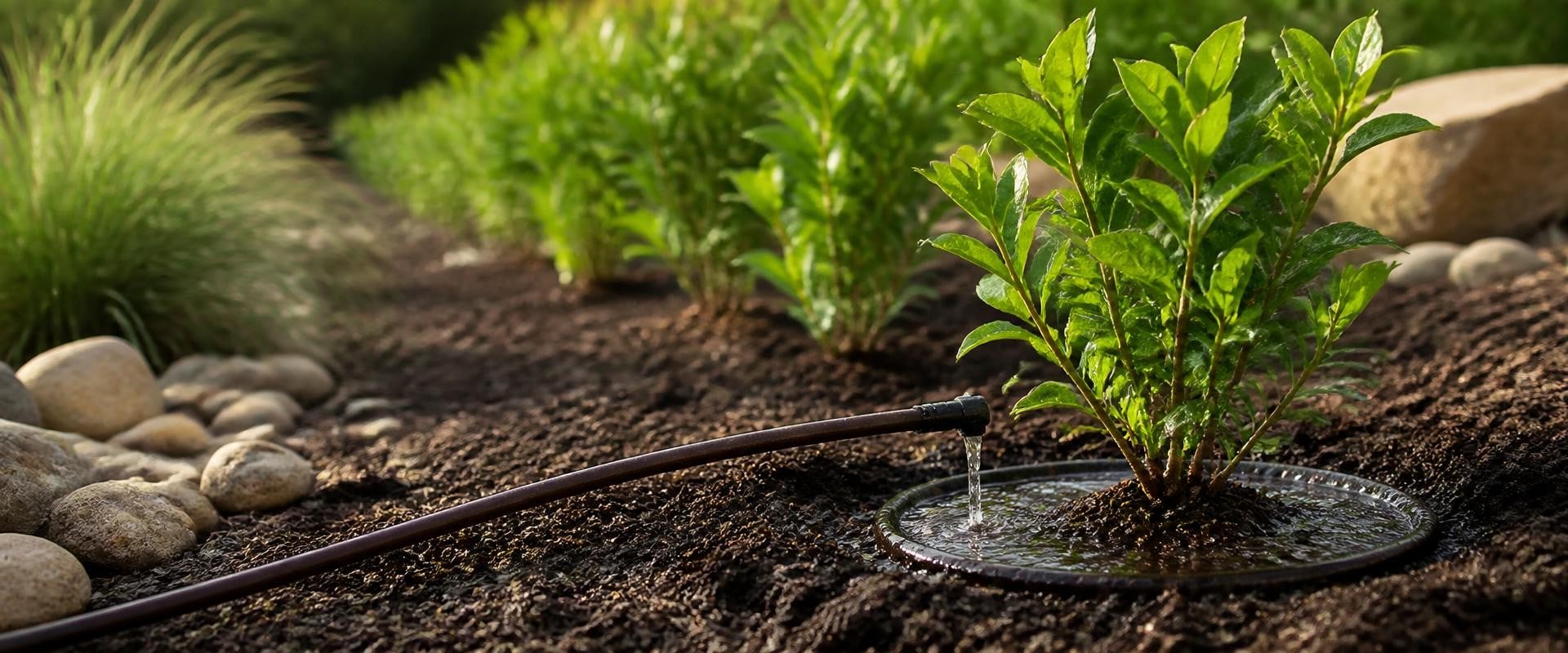
Watering efficiency is a crucial aspect of successful gardening that often goes overlooked by both novice and experienced gardeners alike. Understanding how to optimize water usage not only promotes healthier plants but also conserves this precious resource. By implementing effective planting tips, gardeners can ensure that their plants receive the right amount of moisture without unnecessary waste. At its core, watering efficiency involves delivering water directly to the roots where it is needed most, minimizing evaporation and runoff. This concept is particularly important in regions prone to drought or where water conservation is a priority.
By adopting smart watering practices, such as choosing the right time of day for irrigation and utilizing mulch to retain soil moisture, gardeners can significantly enhance their plant care routines. Moreover, understanding the specific water needs of different plants can lead to more tailored watering strategies. For instance, grouping plants with similar moisture requirements together can streamline the watering process and reduce overall water consumption. As we delve deeper into effective planting tips, we will explore various techniques that not only improve watering efficiency but also contribute to a thriving garden ecosystem.
Choosing the Right Plants for Your Climate
When it comes to enhancing watering efficiency, one of the most effective strategies is to choose plants that are well-suited to your local climate. Selecting climate-appropriate plants not only conserves water but also promotes healthier growth and reduces maintenance efforts.Understanding your region's climate is crucial.For instance, if you live in a hot, arid area, opting for drought-resistant plants can significantly minimize your watering needs. These plants have adapted to survive with minimal moisture and often feature deep root systems that allow them to access water from deeper soil layers. Some popular drought-resistant options include:
- Succulents: These plants store water in their leaves and stems, making them ideal for dry conditions.
- Lavender: Not only does it thrive in dry soil, but it also attracts pollinators.
- Agave: Known for its striking appearance, agave requires very little water once established.
They are also more resilient to local pests and diseases, which can further reduce the need for chemical treatments and additional watering. Examples of native plants include:
- Echinacea (Coneflower): A hardy perennial that thrives in various soil types.
- Black-eyed Susan: This vibrant flower is drought-tolerant and attracts beneficial insects.
- Milkweed: Essential for monarch butterflies, it requires minimal watering once established.
Soil Preparation Techniques for Better Water Retention
Effective soil preparation is crucial for enhancing water retention in your garden, ultimately leading to more efficient watering practices. By implementing specific techniques and amendments, you can create a soil environment that retains moisture better and supports healthy plant growth.1.Test Your Soil
- Before making any amendments, conduct a soil test to determine its pH and nutrient levels.
This will help you understand what your soil needs to improve its structure and moisture retention capabilities.
- Adding organic matter such as compost, well-rotted manure, or leaf mold can significantly enhance soil structure. These materials improve aeration and increase the soil's ability to hold water.
- Aim for a mix of 25-30% organic matter in your soil to optimize moisture retention.
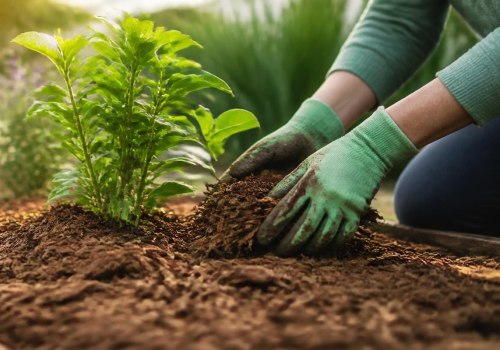
- Applying a layer of mulch around your plants can help reduce evaporation from the soil surface. Organic mulches like straw, wood chips, or shredded leaves not only conserve moisture but also break down over time, adding nutrients back into the soil.
- Consider adding amendments such as vermiculite or perlite, which can improve drainage while still retaining moisture. These materials create air pockets in the soil, allowing roots to access water more efficiently.
- Gypsum can also be beneficial for clay soils, helping to break up compacted areas and improve water infiltration.
- No-till gardening minimizes soil disturbance, preserving the natural structure and microbial life that contribute to moisture retention.
This method encourages deeper root growth and enhances the soil's ability to hold water.
Optimal Planting Techniques to Maximize Water Use
When it comes to enhancing watering efficiency, employing optimal planting techniques is crucial. The way you plant can significantly affect how well your plants absorb water and nutrients. Here are some key strategies to consider:- Proper Spacing: One of the most important aspects of planting is ensuring adequate spacing between plants.
Crowded plants compete for water, leading to inefficient absorption. Aim for a spacing that allows each plant to access moisture without hindrance. For example, larger plants may require more space than smaller ones, so consider their mature size when planning your garden layout.
- Planting Depth: The depth at which you plant can also influence water retention. Generally, seeds should be planted at a depth that is two to three times their diameter.
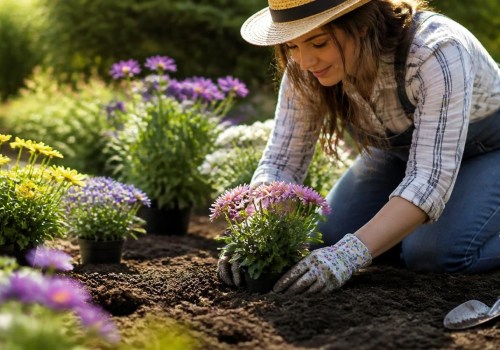
For transplants, ensure that the root ball is level with the soil surface to promote healthy root growth and efficient water uptake. If planted too deep, roots may struggle to reach the surface for oxygen and moisture.
- Soil Preparation: Before planting, amend your soil with organic matter such as compost. This not only improves soil structure but also enhances its ability to retain moisture. Well-aerated soil allows for better drainage while still holding enough water for plant needs.
Mulching: A Key Strategy for Water Conservation
Mulching is an essential practice for anyone looking to enhance their garden's water efficiency.By covering the soil with a layer of organic or inorganic material, you can significantly reduce moisture loss and improve the overall health of your plants.
Benefits of Mulching
- Moisture Retention: Mulch acts as a barrier, preventing water from evaporating quickly from the soil surface. This means less frequent watering is needed, which is especially beneficial during hot summer months.
- Weed Suppression: A thick layer of mulch can inhibit weed growth, reducing competition for water and nutrients among your plants.
- Soil Temperature Regulation: Mulch helps maintain a consistent soil temperature, keeping roots cooler in the summer and warmer in the winter.
- Improved Soil Quality: Organic mulches break down over time, enriching the soil with nutrients and enhancing its structure.
Types of Mulch
- Organic Mulch: Materials such as wood chips, straw, grass clippings, and shredded leaves are excellent choices. They decompose over time, adding nutrients back into the soil.
- Inorganic Mulch: Options like gravel, stones, or landscape fabric provide long-lasting coverage but do not contribute nutrients to the soil.
How to Mulch
- Prepare the Area: Clear the area around your plants of weeds and debris to ensure effective moisture retention.
- Select Your Mulch: Choose a type of mulch that suits your garden's needs and aesthetic preferences.
- Apply Evenly: Spread a layer of mulch 2-4 inches thick around your plants, taking care not to pile it against plant stems or trunks to prevent rot.
- Maintain Regularly: Check your mulch layer periodically and replenish it as needed to maintain its effectiveness.
Irrigation Methods That Enhance Water Efficiency
When it comes to enhancing watering efficiency, selecting the right irrigation methods is crucial.Traditional watering techniques often lead to significant water loss through evaporation and runoff. However, modern approaches can significantly improve water conservation while ensuring your plants receive the moisture they need.
Drip Irrigation
Drip irrigation is one of the most effective methods for delivering water directly to the roots of plants. This system uses a network of tubing and emitters to release water slowly and precisely, minimizing waste. Here are some benefits of drip irrigation:- Targeted watering: Water is delivered directly to the root zone, reducing evaporation and runoff.
- Reduced weed growth: By limiting water to specific areas, you discourage weed growth in non-target zones.
- Water savings: Drip systems can use up to 50% less water compared to traditional sprinklers.
Smart Watering Systems
Smart watering systems, equipped with sensors and timers, take irrigation efficiency a step further.These systems can adjust watering schedules based on real-time weather data and soil moisture levels. Here’s how they enhance efficiency:
- Automated adjustments: Smart systems can automatically increase or decrease watering based on rainfall or temperature changes.
- Soil moisture monitoring: Sensors measure soil moisture levels, ensuring that plants receive water only when necessary.
- User-friendly controls: Many smart systems can be controlled via smartphone apps, allowing for easy adjustments from anywhere.
Timing Your Watering for Maximum Effectiveness
Timing your watering is crucial for maximizing plant health and ensuring efficient water usage. Understanding the best time to water plants can significantly impact their growth and resilience.Generally, the morning is considered the optimal time for watering.During this period, temperatures are cooler, and winds are typically calmer, allowing water to penetrate the soil effectively without excessive evaporation. Watering in the morning also gives plants ample time to absorb moisture before the heat of the day sets in, reducing stress on the plants.On the other hand, watering in the evening can lead to prolonged moisture on the leaves, which may increase the risk of fungal diseases. If you must water in the evening, aim to do so early enough to allow foliage to dry before nightfall.
Establishing a Watering Schedule
Creating a consistent watering schedule is essential for maintaining healthy plants. Factors such as plant type, soil composition, and local climate should influence your schedule.For instance:
- Deep-rooted plants, like trees and shrubs, may require less frequent watering but more substantial amounts each time.
- Shallow-rooted plants, such as annual flowers, often need more frequent watering but in smaller quantities.
- Container plants may dry out faster and require daily checks to ensure they are adequately hydrated.
Common Mistakes to Avoid for Efficient Watering
When it comes to watering plants efficiently, avoiding common mistakes can make a significant difference in their health and growth. Here are some prevalent watering mistakes that gardeners often make, along with tips to correct them.- Overwatering: One of the most frequent errors is giving plants too much water.
Overwatering can lead to root rot and other fungal diseases. To prevent this, always check the soil moisture before watering. A simple finger test—sticking your finger about an inch into the soil—can help determine if your plants need water.
- Underwatering: Conversely, underwatering can stress plants and stunt their growth. Signs of underwatering include wilting leaves and dry soil.
To avoid this mistake, establish a consistent watering schedule based on your plants' needs and environmental conditions.
- Watering at the wrong time: Watering during the hottest part of the day can lead to rapid evaporation, wasting water and leaving plants thirsty. Aim to water early in the morning or late in the afternoon when temperatures are cooler.
- Poor drainage: If your garden beds or pots do not have adequate drainage, excess water can accumulate, leading to overwatering issues. Ensure that containers have drainage holes and consider amending garden soil with organic matter to improve drainage.
FAQs About Planting Tips and Watering Efficiency
When it comes to enhancing watering efficiency through effective planting techniques, several common questions arise.Here are some frequently asked questions that can help you optimize your gardening practices.
What are the best planting tips for conserving water?
- Choose native plants: Native plants are adapted to local climates and typically require less water once established.
- Group plants by water needs: Planting species with similar watering requirements together can help minimize water waste.
- Use mulch: Applying a layer of organic mulch around your plants helps retain soil moisture and reduces evaporation.
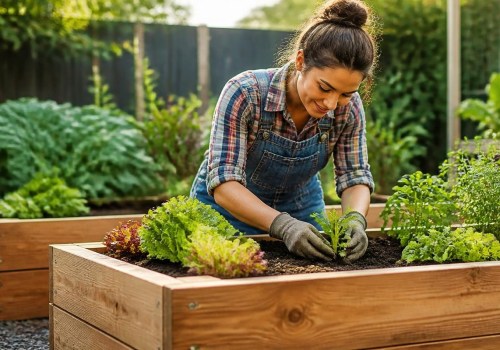
- Consider raised beds: Raised beds can improve drainage and allow for better moisture retention in the soil.
How does soil quality affect watering efficiency?
The quality of your soil plays a crucial role in how effectively it retains moisture. Well-aerated, nutrient-rich soil allows for better water absorption and drainage. To improve soil quality:- Add organic matter: Incorporating compost or well-rotted manure can enhance soil structure and moisture retention.
- Avoid compacting the soil: Compacted soil can hinder water infiltration, so be mindful of foot traffic in garden areas.
Is there a specific time to water for maximum efficiency?
Yes, watering during the early morning or late afternoon is ideal. This timing minimizes evaporation and allows plants to absorb moisture effectively.Additionally, consider using drip irrigation systems to deliver water directly to the roots, further enhancing efficiency.By implementing these planting tips, you can significantly improve your watering efficiency, leading to healthier plants and a more sustainable garden.
Conclusion: Key Takeaways for Efficient Planting and Watering
In conclusion, implementing effective planting tips can significantly enhance your watering efficiency, leading to healthier plants and reduced water waste. By focusing on the following key strategies, you can optimize your gardening practices:- Soil Preparation: Start with well-aerated and nutrient-rich soil. Incorporating organic matter like compost improves moisture retention, allowing plants to access water more effectively.
- Mulching: Applying a layer of mulch around your plants helps to reduce evaporation, maintain soil temperature, and suppress weeds that compete for water.
- Plant Selection: Choose native or drought-resistant plants that are better adapted to your local climate. These plants typically require less water once established.
- Watering Techniques: Utilize drip irrigation or soaker hoses to deliver water directly to the roots, minimizing waste and ensuring that moisture reaches where it’s needed most.
- Timing of Watering: Water early in the morning or late in the evening to reduce evaporation losses.
This practice ensures that more water penetrates the soil rather than evaporating in the heat of the day.