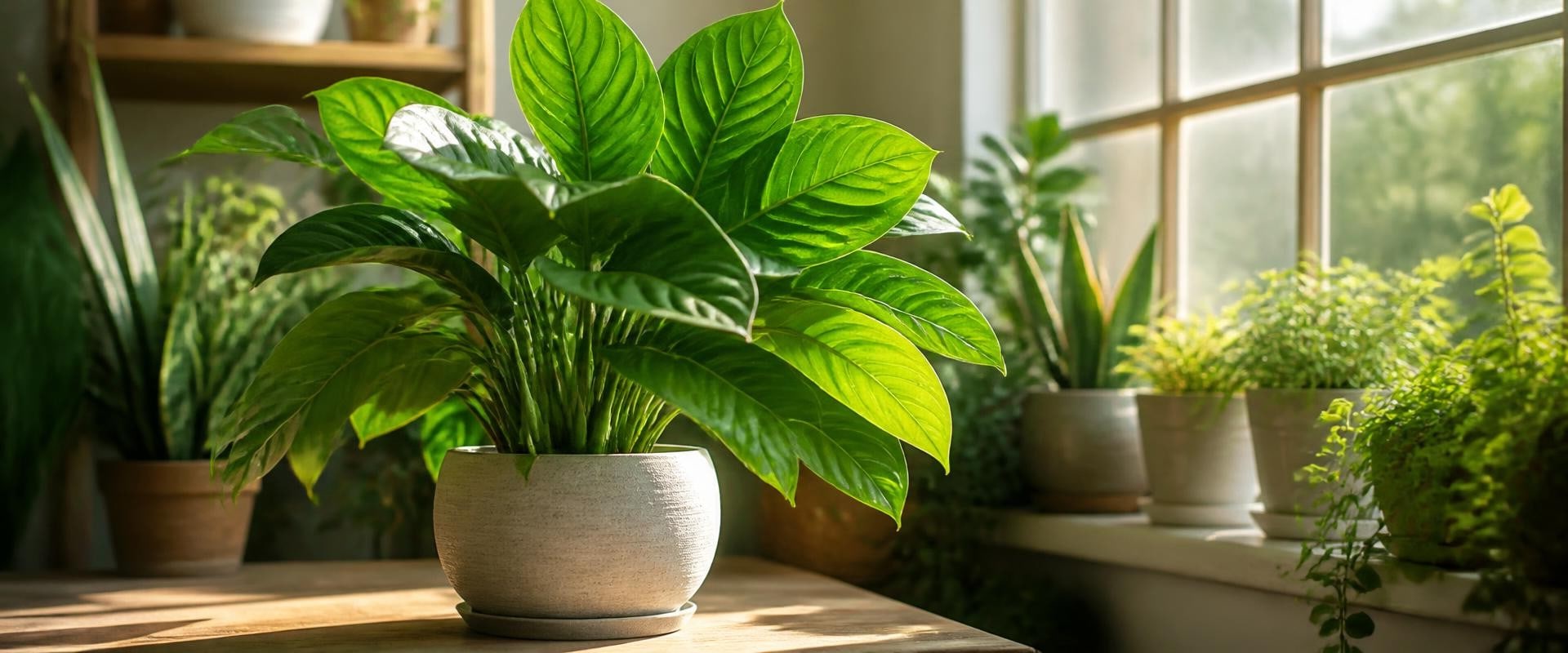
Understanding the importance of sunlight for plants is crucial for any gardener looking to cultivate a thriving garden. Sunlight is not just a source of energy; it plays a vital role in the process of photosynthesis, which allows plants to convert light into the food they need to grow. Without adequate sunlight, plants can become weak, leggy, and more susceptible to diseases. This makes recognizing their sunlight needs essential for maintaining plant health.Each plant species has its own unique sunlight requirements, ranging from full sun to partial shade.
For instance, while some plants flourish in direct sunlight for most of the day, others may prefer dappled light or even shade during peak hours. Understanding these specific needs not only helps in selecting the right plants for your garden but also ensures that they receive the optimal conditions for growth. As you embark on your gardening journey, keep in mind that observing your plants closely can provide valuable insights into their health and well-being. Yellowing leaves, stunted growth, or leaning towards a light source are all signs that your plants may be craving more sunlight. By learning to recognize these indicators, you can make informed decisions about their placement and care, ultimately leading to a more vibrant and flourishing garden.
Signs Your Plants Need More Sunlight
Understanding the signs your plants need more sunlight is crucial for maintaining their health and vitality.Here are some key indicators to watch for:
- Yellowing Leaves: One of the most common signs that your plant is not getting enough light is the yellowing of leaves. If you notice that the leaves are turning yellow, especially the lower ones, it may indicate that the plant is struggling to photosynthesize effectively due to insufficient sunlight.
- Leggy Growth: Another telltale sign is leggy growth, where the plant stretches towards the light source, resulting in elongated stems and sparse foliage. This occurs as the plant attempts to reach for more light, leading to weak and spindly growth.
- Slow Growth: If your plant seems to be growing at a snail's pace or has stopped growing altogether, it might be a sign that it’s not receiving adequate sunlight. Healthy plants typically exhibit steady growth when provided with the right amount of light.
- Pale or Discolored Leaves: In addition to yellowing, leaves may become pale or develop unusual discolorations.
This can indicate that the plant is not able to produce enough chlorophyll due to lack of sunlight.
- Leaf Drop: If your plant starts shedding leaves, particularly older ones, it could be a response to inadequate light conditions. Plants often prioritize their energy on new growth when they are stressed.
Understanding Different Light Requirements for Various Plants
Understanding the light requirements of your plants is crucial for their health and growth. Different species have varying needs, and matching them with the right conditions can make all the difference.Low Light Plants
Some plants thrive in low light conditions, making them ideal for spaces that don’t receive much natural sunlight.Examples include:
- Snake Plant: Known for its resilience, it can survive in low light and requires minimal care.
- Pothos: This trailing vine is perfect for beginners and can adapt to various lighting conditions.
- ZZ Plant: With its glossy leaves, it’s not only attractive but also tolerates low light exceptionally well.
High Light Plants
On the other hand, some plants require bright, direct sunlight to flourish. These include:- Succulents: These drought-resistant plants thrive in bright light and need at least six hours of sunlight daily.
- Cacti: Similar to succulents, cacti love the sun and should be placed in south-facing windows.
- Tropical Plants: Many tropical species, such as Bird of Paradise, require ample sunlight to grow strong and vibrant.
How to Measure Sunlight Exposure in Your Home or Garden
Understanding how to measure sunlight exposure in your home or garden is crucial for the health of your plants.Here are some effective methods to assess the light conditions:
- Observe Natural Light Patterns: Start by observing the areas where you plan to place your plants. Take note of how sunlight moves throughout the day. Pay attention to which spots receive direct sunlight and which are shaded.
- Use a Light Meter: A light meter for plants can provide precise measurements of light intensity. These devices measure the amount of light in foot-candles or lux, helping you determine if your plants are getting enough light.
Aim for at least 200-400 foot-candles for most houseplants.
- Track Sunlight Hours: Keep a log of how many hours of sunlight each area receives daily. This can help you identify spots that may need more light or those that might be too bright for certain plants.
- Check Plant Responses: Monitor your plants for signs of inadequate light, such as leggy growth or yellowing leaves. These symptoms can indicate that your plants need more sunlight.
- Rotate Your Plants: Regularly rotating your plants can ensure even exposure to sunlight, especially if they are placed near windows.
- Utilize Reflective Surfaces: If natural light is limited, consider using reflective surfaces like mirrors or white walls to enhance light distribution around your plants.
Adjusting Light Conditions for Your Plants
To ensure your plants thrive, adjusting their light conditions is crucial. Here are some effective planting tips to help you increase sunlight exposure for your plants.- Assess Current Light Levels: Start by observing how much natural light your plants currently receive.
Note the time of day when sunlight hits them and for how long. This will help you determine if they are getting enough light.
- Move Plants for Better Light: If you find that your plants are not receiving adequate sunlight, consider relocating them. Place them closer to windows or in areas that receive direct sunlight for several hours a day. Remember to rotate your plants occasionally to ensure even growth.
- Utilize Reflective Surfaces: Enhance the light conditions by using reflective surfaces such as mirrors or white walls.
These can bounce sunlight onto your plants, increasing their exposure without needing to move them.
- Consider Artificial Lighting Options: If natural light is insufficient, especially during winter months or in low-light environments, artificial lighting can be a great solution. Use grow lights that emit the full spectrum of light, mimicking natural sunlight. Position these lights about 12-24 inches above your plants and keep them on for 12-16 hours a day.
Common Myths About Plant Sunlight Needs
Understanding the sunlight needs of your plants can be challenging, especially with the prevalence of myths surrounding this topic.Here are some common misconceptions that can lead to improper plant care:
- Myth 1: All plants need direct sunlight. While many plants thrive in bright, direct light, others prefer indirect sunlight or even shade. For instance, ferns and snake plants do well in lower light conditions.
- Myth 2: More sunlight always equals healthier plants. This is not necessarily true. Overexposure to sunlight can lead to sunburn, causing leaves to scorch and turn brown. It's essential to know the specific light requirements of each plant species.
- Myth 3: Plants will adapt to any light condition. While some plants are more adaptable than others, most have specific light preferences.
Forcing a plant into an unsuitable environment can lead to stress and poor growth.
- Myth 4: If a plant is not growing, it needs more sunlight. Lack of growth can be attributed to various factors, including water, nutrients, or even pests. Always assess the overall health of your plant before adjusting its light exposure.
- Myth 5: All indoor plants require the same amount of light. Different indoor plants have varying light needs. For example, succulents require more light compared to peace lilies, which thrive in lower light conditions.
FAQs About Plant Sunlight Needs
Understanding your plants' sunlight needs is crucial for their health and growth.Here are some frequently asked questions that can help clarify common concerns:
- How can I tell if my plant is getting too much sunlight? If your plant's leaves are turning yellow or brown, especially at the tips, it may be receiving too much direct sunlight. Additionally, scorched or crispy leaves are a clear sign of sunburn.
- What are the signs that my plant needs more sunlight? Look for signs such as elongated stems, small leaves, or a general lack of growth. If your plant is leaning towards a light source, it may be stretching for more sunlight.
- Can I move my plants to a sunnier spot? Yes, but do so gradually. Sudden exposure to bright light can shock your plants.
Start by placing them in indirect light and gradually increase their exposure to direct sunlight.
- Do different plants have different sunlight requirements? Absolutely! Some plants thrive in low light conditions, while others require full sun. Always check the specific needs of your plant species to ensure optimal growth.
- How often should I rotate my plants? Rotating your plants every few weeks can help ensure even growth and prevent them from leaning towards the light source.
Conclusion: Ensuring Your Plants Thrive with Proper Sunlight
In conclusion, understanding how to assess your plants' sunlight needs is crucial for their overall health and vitality. By observing the signs of sunlight deficiency or excess, you can make informed adjustments to their environment, ensuring they receive the optimal amount of light. Remember to regularly check for indicators such as:- Leaf discoloration: Yellowing leaves may suggest insufficient light, while scorched edges can indicate too much sun.
- Growth patterns: Stunted growth or leggy plants often signal a lack of adequate sunlight.
- Flowering and fruiting: Healthy plants typically produce blooms and fruits when they receive the right amount of light.
Adjusting their placement according to these needs can significantly enhance their growth and resilience. Utilizing tools such as light meters can also aid in accurately measuring the light intensity in your home or garden. This data allows you to make precise adjustments, ensuring that your plants are not only surviving but thriving. Ultimately, by staying vigilant and responsive to your plants' sunlight needs, you can cultivate a flourishing garden that brings joy and beauty to your space. Regularly revisiting these planting tips will empower you to create an environment where your plants can reach their full potential.