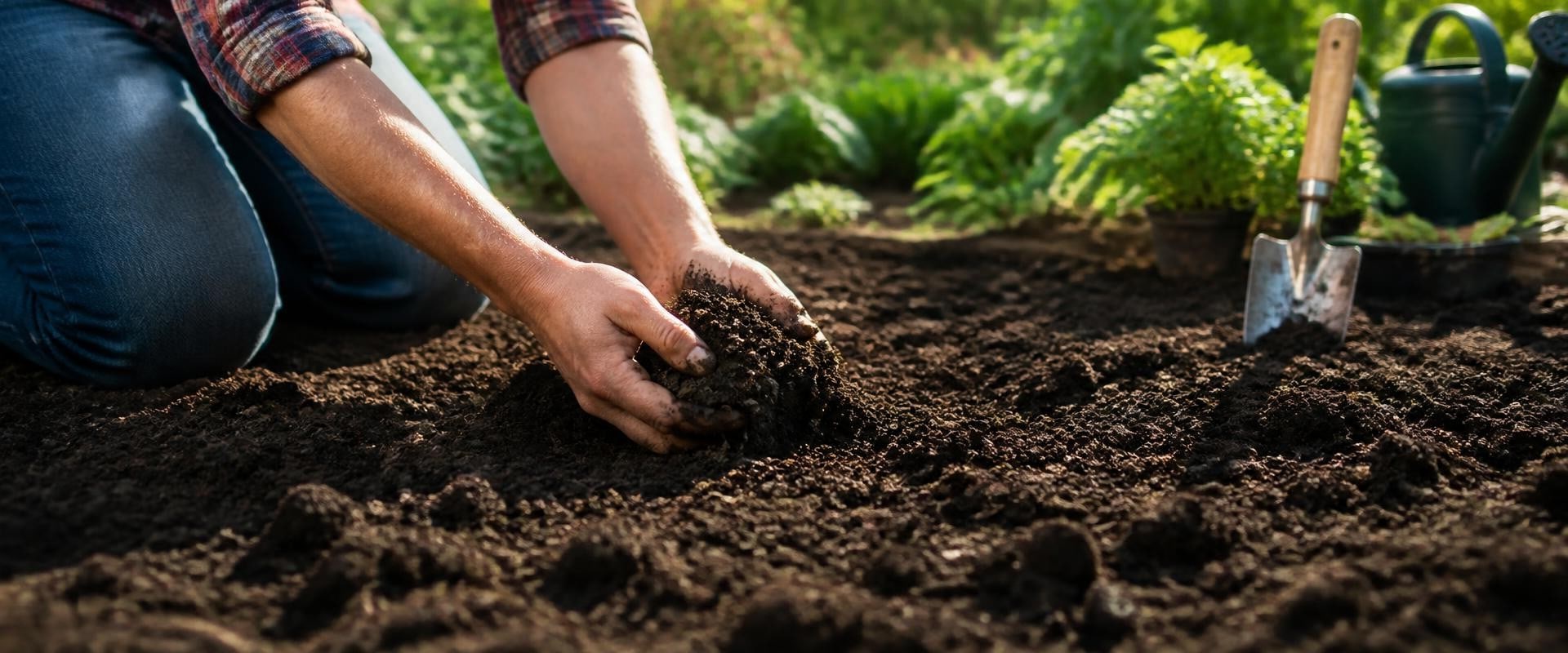
Understanding soil composition is a fundamental step in preparing your garden for successful planting. Soil is not just dirt; it is a complex ecosystem that supports plant life. The composition of soil varies widely, but it generally consists of minerals, organic matter, water, and air. Each of these components plays a vital role in providing the necessary nutrients and environment for plants to thrive.
By grasping the intricacies of soil types and their characteristics, you can make informed decisions that will enhance your planting efforts. There are several types of soil, including sandy, clay, silt, and loamy soils, each with unique properties. Sandy soil drains quickly but may lack nutrients, while clay soil retains moisture but can become compacted and hinder root growth. Loamy soil, often considered the ideal type for gardening, strikes a balance between drainage and nutrient retention. Understanding these differences allows you to choose the right plants for your specific soil type or amend your soil to create a more suitable environment. Moreover, soil nutrients such as nitrogen, phosphorus, and potassium are essential for plant health.
These nutrients support various functions like growth, flowering, and fruiting. Testing your soil can reveal nutrient deficiencies or imbalances that need addressing before planting. By taking the time to analyze and prepare your soil properly, you set the stage for a flourishing garden that yields abundant harvests.
Testing Your Soil
Before you start planting, it’s crucial to understand the condition of your soil.Soil testing
is an essential step that helps you determine the pH levels and nutrient content of your soil, ensuring that your plants have the best possible environment to thrive.Why Test Your Soil?
- Identifies nutrient deficiencies or excesses.
- Helps in adjusting pH levels for optimal plant growth.
- Informs you about soil texture and composition.
How to Test Soil
- Purchase a Soil Test Kit: You can find these kits at garden centers or online.
They typically include everything you need to collect samples and analyze your soil.
- Collect Soil Samples: Use a clean trowel to gather samples from different areas of your garden. Aim for about 6-8 inches deep and mix samples in a clean bucket.
- Follow Instructions: Each kit will have specific instructions on how to mix the soil with water and any reagents provided. Follow these carefully for accurate results.
- Analyze Results: Once you receive your results, pay close attention to the pH levels. Most plants prefer a pH between 6.0 and 7.5.If your soil is too acidic or alkaline, amendments may be necessary.
Nutrient Levels
Your soil test will also reveal nutrient levels such as nitrogen, phosphorus, and potassium (N-P-K).
These are vital for plant health:
- Nitrogen: Essential for leaf growth.
- Phosphorus: Important for root development and flowering.
- Potassium: Helps with overall plant health and disease resistance.
Improving Soil Quality
Improving soil quality is a crucial step in ensuring successful planting. Healthy soil provides the necessary nutrients, structure, and moisture retention that plants need to thrive. Here are some effective methods to enhance your soil:Soil Amendments
Soil amendments are materials added to the soil to improve its physical or chemical properties. Common amendments include:- Lime: Used to raise soil pH, lime can help neutralize acidic soils, making nutrients more available to plants.
- Sulfur: This amendment lowers soil pH, which is beneficial for acid-loving plants.
- Gypsum: Helps improve soil structure and drainage, particularly in clay soils.
Incorporating Organic Matter
Adding organic matter is one of the best ways to improve soil quality.It enhances nutrient content, improves soil structure, and increases moisture retention. Here are some sources of organic matter:
- Compost: Decomposed organic material that enriches the soil with nutrients and beneficial microorganisms.
- Mulch: Organic materials like straw or wood chips that protect the soil surface and gradually decompose to add nutrients.
- Cover Crops: Plants grown specifically to improve soil health by preventing erosion and adding organic matter when tilled under.
The Benefits of Composting
Composting is an excellent way to recycle kitchen scraps and yard waste into nutrient-rich organic matter. By creating your own compost, you can:- Reduce waste: Divert organic materials from landfills.
- Nourish your garden: Provide a slow-release source of nutrients for your plants.
- Enhance soil structure: Improve aeration and water retention in your garden beds.
Tilling and Aerating the Soil
Preparing your soil for planting involves crucial steps like tilling and aerating, which can significantly enhance soil health and plant growth.Understanding the right techniques and their benefits is essential for any gardener or farmer.
Tilling Techniques
Tilling is the process of turning over the soil to mix in organic matter, improve drainage, and eliminate weeds. Here are some effective tilling techniques:- Hand Tilling: Ideal for small gardens, this method involves using a spade or garden fork to manually turn the soil.
- Rototilling: For larger areas, a rototiller can efficiently break up compacted soil. Ensure you adjust the depth according to your soil type.
- No-Till Farming: This technique minimizes soil disturbance, preserving soil structure and promoting beneficial microorganisms.
Soil Aeration
Aeration involves creating small holes in the soil to allow air, water, and nutrients to penetrate deeper. This process is vital for root development and overall plant health.Here are some methods of aeration:
- Core Aeration: Using a core aerator removes plugs of soil, allowing for better air circulation.
- Poking Holes: For smaller areas, simply using a garden fork to poke holes can suffice.
- Spike Aeration: This method uses spikes to create holes without removing any soil, suitable for compacted lawns.
Benefits of Tilling
The benefits of tilling and aerating your soil are numerous:- Improved Soil Structure: Tilling breaks up compacted layers, enhancing drainage and root penetration.
- Nutrient Mixing: Incorporating organic matter like compost during tilling enriches the soil with essential nutrients.
- Pest Control: Turning over the soil can disrupt pest habitats and reduce infestations.
Creating a Planting Plan
Creating an effective planting plan is essential for maximizing your garden's productivity and ensuring healthy plant growth. A well-thought-out plan not only considers the types of plants you want to grow but also incorporates strategies like crop rotation and companion planting.Understanding Crop Rotation
Crop rotation involves changing the types of crops grown in a particular area each season. This practice helps prevent soil depletion, reduces pest and disease buildup, and improves soil health.For example, if you plant legumes one year, which fix nitrogen in the soil, follow with leafy greens the next year that benefit from this nutrient boost.
Implementing Companion Planting
Companion planting is another strategy that can enhance your planting plan. This technique involves pairing plants that benefit each other when grown together. For instance, planting tomatoes alongside basil can improve flavor and deter pests. Similarly, marigolds are known to repel nematodes and can be planted near vegetables to protect them.Steps to Create Your Planting Plan
- Assess Your Space: Determine the size of your garden and the sunlight it receives throughout the day.
- Select Your Crops: Choose plants based on your climate, soil type, and personal preferences.
- Plan for Rotation: Create a schedule for rotating crops each season to maintain soil health.
- Incorporate Companions: Research beneficial plant pairings and include them in your layout.
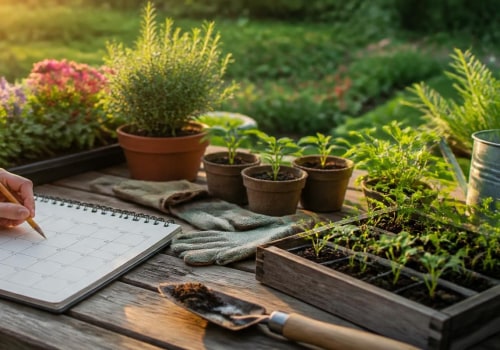
- Document Your Plan: Keep a record of what you plant where, including notes on growth patterns and any issues encountered.
Remember, a little planning goes a long way in achieving a thriving garden!
Timing Your Planting
Timing your planting is crucial for ensuring that your plants thrive. Understanding the best planting times for your specific region can significantly impact the success of your garden. Each plant species has its own optimal growing season, which is influenced by local climate conditions.Seasonal Planting Tips:
- Spring Planting: This is typically the most popular time for planting. As the soil warms up and the risk of frost diminishes, many vegetables and flowers can be sown directly into the ground.
Consider starting seeds indoors a few weeks before the last frost date to get a head start.
- Summer Planting: While many gardeners focus on spring, summer can also be a great time to plant heat-loving crops like tomatoes and peppers. Additionally, you can sow fall crops such as kale and broccoli in late summer for a late harvest.
- Fall Planting: In some regions, fall is an excellent time to plant perennials and certain vegetables that can withstand cooler temperatures. Garlic, for example, is best planted in the fall for a summer harvest.
- Winter Considerations: In warmer climates, winter planting can be viable for certain hardy crops. However, in colder areas, it’s essential to prepare your soil and protect it from harsh conditions.
Climate Considerations:
Your local climate plays a significant role in determining when to plant.
For instance, areas with warm climates may allow for year-round planting, while cooler regions may have a shorter growing season. Always check your USDA Hardiness Zone to understand what plants will thrive in your area and when they should be planted.By aligning your planting schedule with seasonal changes and climate conditions, you can maximize growth potential and enjoy a bountiful harvest. Remember to keep an eye on local weather forecasts and adjust your planting dates accordingly to avoid unexpected frosts or heat waves.
Common Mistakes to Avoid When Preparing Soil
Preparing soil for planting is a crucial step in gardening, yet many gardeners make common mistakes that can hinder their plants' growth. Here are some frequent errors to avoid:- Neglecting Soil Testing: One of the biggest mistakes is not testing the soil before planting.
Soil tests reveal pH levels and nutrient deficiencies, allowing you to amend the soil appropriately.
- Overlooking Drainage: Poor drainage can lead to waterlogged soil, which suffocates roots. Ensure your garden has proper drainage by checking for compacted areas and amending them with organic matter.
- Skipping Organic Matter: Failing to incorporate organic matter, such as compost or well-rotted manure, can result in nutrient-poor soil. Organic matter improves soil structure and fertility.
- Planting Too Early: Many gardeners rush to plant without considering soil temperature. Cool soil can stunt seed germination.
Always check that the soil has warmed adequately for the specific plants you intend to grow.
- Ignoring Weeds: Weeds compete with your plants for nutrients and water. Before planting, remove any existing weeds and consider using mulch to suppress future growth.
Conclusion: Key Takeaways for Successful Soil Preparation
In summary, preparing your soil effectively is a crucial step in ensuring a successful planting season. By following the right planting tips, you can create an optimal environment for your plants to thrive.Here are the key takeaways to remember:
- Assess Your Soil: Understanding your soil type and its current condition is the first step. Conduct a soil test to determine pH levels and nutrient content.
- Amend as Necessary: Based on your soil test results, consider adding organic matter such as compost or well-rotted manure to improve soil structure and fertility.
- Till or Aerate: Properly tilling or aerating your soil can enhance drainage and root penetration, making it easier for plants to establish themselves.
- Weed Control: Remove any existing weeds before planting, as they compete for nutrients and water. Regular maintenance will help keep your garden healthy.
- Mulching: Applying mulch after planting can help retain moisture, suppress weeds, and regulate soil temperature.
With these planting tips, you’ll be well on your way to enjoying a successful gardening experience.