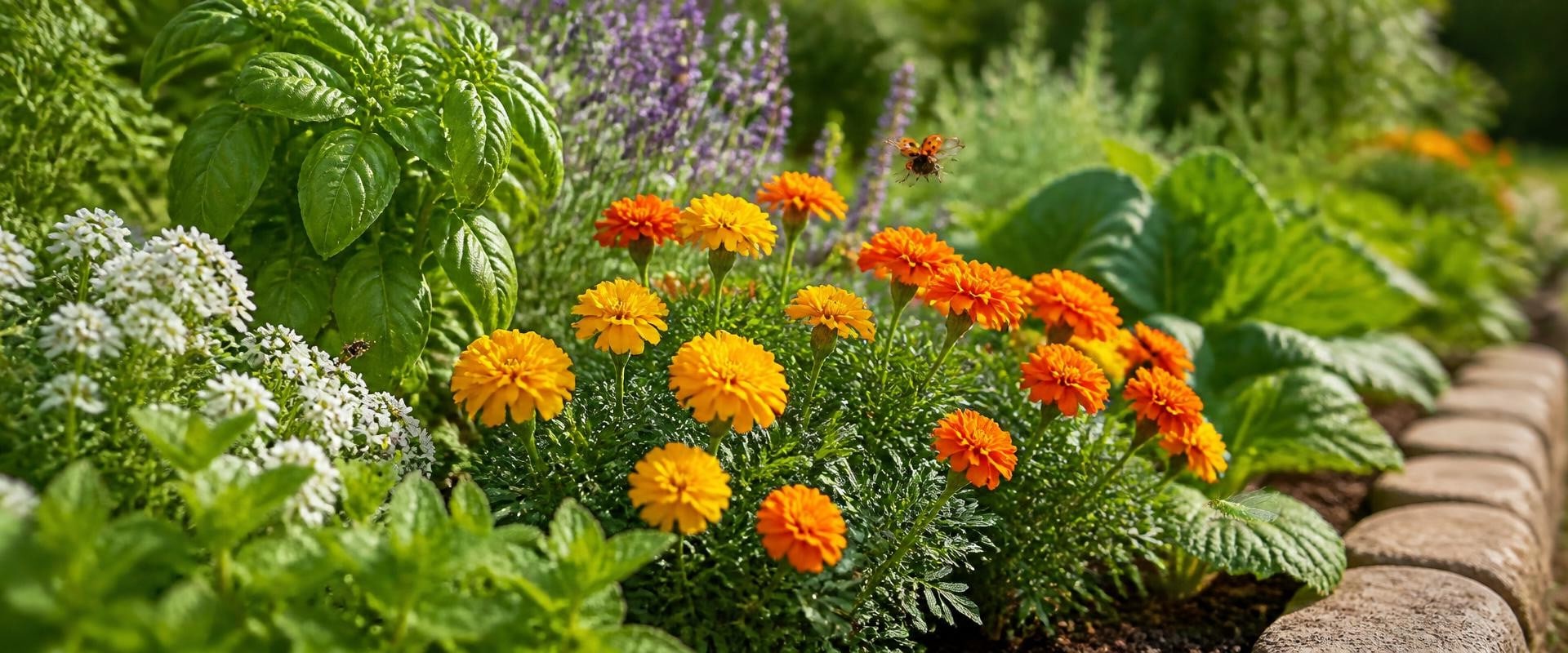
Understanding the intricate relationship between plants and pests is crucial for anyone looking to maintain a healthy garden or landscape. Many gardeners often overlook the fact that certain plants can either attract or repel pests, significantly influencing the overall health of their garden. For instance, while some plants may emit scents that lure pests, others can release natural compounds that deter them. This dynamic interaction highlights the importance of selecting the right plants as part of your pest control strategy. When considering planting tips for pest management, it’s essential to recognize how specific plants can serve as both a magnet and a barrier against unwanted insects.
For example, marigolds are renowned for their ability to repel nematodes and other harmful insects, making them an excellent companion plant in vegetable gardens. Conversely, certain flowering plants may attract beneficial insects like ladybugs and lacewings, which prey on common garden pests. Understanding these relationships not only enhances your gardening experience but also promotes a more sustainable approach to pest control. Moreover, implementing effective pest control basics through strategic planting can lead to healthier plants and reduced reliance on chemical pesticides. By incorporating diverse plant species and utilizing companion planting techniques, gardeners can create a balanced ecosystem that naturally regulates pest populations.
This holistic approach not only fosters a thriving garden but also contributes to environmental health by minimizing chemical use.
Choosing the Right Plants for Your Garden
When it comes to effective pest control, one of the most impactful strategies is selecting the right plants for your garden. Certain plants possess natural properties that can deter pests, making them invaluable allies in maintaining a healthy garden.Best Plants for Pest Control- Marigolds: Known for their vibrant colors, marigolds emit a scent that repels nematodes and other harmful insects.
- Basil: This aromatic herb not only enhances your culinary dishes but also wards off flies and mosquitoes.
- Nasturtiums: These flowers attract aphids away from more vulnerable plants, acting as a trap crop.
- Lavender: The strong fragrance of lavender is effective in repelling moths, fleas, and even mosquitoes.
These are species that have developed natural defenses against pests. For instance, rosemary is not only a culinary favorite but also a pest-resistant plant that can deter various insects. Similarly, sage is known for its ability to repel cabbage moths and other garden nuisances. By carefully selecting plants that naturally repel pests or work synergistically with one another, you can create a thriving garden ecosystem that minimizes the need for chemical interventions. This approach not only promotes sustainability but also enhances the overall health of your garden.
Companion Planting Techniques
One of the most effective planting tips for pest control is the practice of companion planting.This technique involves growing different plants in proximity for mutual benefits, including pest deterrence. By understanding which plants grow well together, gardeners can create a natural ecosystem that minimizes the need for chemical pesticides.
Benefits of Companion Planting
Companion planting offers several advantages:- Pest Repulsion: Certain plants emit scents or chemicals that repel pests. For example, planting marigolds alongside vegetables can deter nematodes and aphids.
- Attracting Beneficial Insects: Some plants attract beneficial insects like ladybugs and lacewings, which prey on harmful pests. For instance, dill and fennel can attract these helpful allies.
- Nutrient Sharing: Different plants have varying nutrient needs and root structures.
For example, corn, beans, and squash, known as the "Three Sisters," work together to enhance soil fertility and provide support.
- Improved Growth: Some plants can enhance each other's growth rates. For instance, basil is known to improve the flavor and growth of tomatoes when planted nearby.
Which Plants Grow Well Together?
When planning your garden layout, consider these popular companion pairings:- Tomatoes and Basil: Basil not only enhances tomato flavor but also repels pests like whiteflies.
- Cabbage and Dill: Dill attracts beneficial insects that help control cabbage worms.
- Carrots and Onions: The strong scent of onions helps deter carrot flies.
- Lettuce and Radishes: Radishes can help break up soil for lettuce while deterring pests.
Planting Strategies to Deter Pests
Implementing effective planting strategies can significantly reduce pest issues in your garden. By carefully considering the layout and spacing of your plants, you can create an environment that is less inviting to pests.1.Companion Planting
- Pairing certain plants together can naturally deter pests.
For example, planting marigolds alongside vegetables can repel nematodes and aphids.
- Herbs like basil and rosemary can also act as natural repellents when planted near tomatoes or peppers.
2.Proper Spacing
Ensuring adequate space between plants is crucial for pest management. Crowded plants can create a humid environment that attracts pests. Here are some tips:
- Follow recommended spacing guidelines for each plant type to promote air circulation.
- Avoid planting similar species too close together, as this can lead to increased vulnerability to specific pests.
3.Garden Layout Tips
- Rotate crops each season to prevent pests from establishing themselves in one area.
- Create a diverse garden layout by mixing different plant types, which can confuse pests and reduce their spread.
- Consider using barriers such as row covers or netting to protect vulnerable plants from insect infestations.
Utilizing Natural Repellents in Your Garden
Incorporating natural repellents into your garden can significantly enhance your pest control efforts while maintaining an eco-friendly approach.Many herbs and plants possess inherent properties that deter unwanted insects, making them excellent companions for your garden.
Herbs That Repel Pests
- Basil: This aromatic herb not only enhances your culinary dishes but also repels flies and mosquitoes. Planting basil near tomatoes can help protect them from pests.
- Mint: Known for its strong scent, mint can deter ants, aphids, and even mice. However, be cautious as it can spread rapidly; consider planting it in pots.
- Lavender: The fragrant flowers of lavender are not just pleasing to the senses; they also repel moths, fleas, and mosquitoes. Its beauty makes it a great addition to any garden.
- Rosemary: This hardy herb is effective against a variety of pests, including beetles and cabbage moths.
It thrives in sunny spots and can be used in cooking as well.
Creating a Pest-Repelling Garden
To maximize the effectiveness of these organic gardening tips, consider the following strategies:- Diversity: Plant a variety of herbs and flowers to create a diverse ecosystem that attracts beneficial insects while repelling harmful ones.
- Companion Planting: Pair pest-repelling plants with those that are susceptible to pests. For example, planting marigolds alongside vegetables can help deter nematodes.
- Regular Maintenance: Keep your garden tidy by removing debris and dead plants that can harbor pests. Regularly check for signs of infestation and act quickly.
Seasonal Planting Tips for Pest Management
Timing your planting can significantly influence pest populations and overall garden health.Understanding the seasonal patterns of pests allows gardeners to make informed decisions about when to plant specific crops.
Spring Planting
As temperatures rise in spring, many pests emerge from their winter dormancy. To combat this, consider planting early-season crops such as peas and radishes. These plants mature quickly and can be harvested before pests like aphids and cabbage worms become prevalent. Additionally, incorporating companion planting techniques, such as pairing marigolds with vegetables, can deter harmful insects.Summer Strategies
During the summer months, pests like beetles and caterpillars are at their peak.To mitigate their impact, stagger your planting times. For instance, planting a second crop of beans or squash mid-summer can help avoid heavy infestations that typically occur later in the season. Furthermore, utilizing row covers can provide a physical barrier against pests while allowing sunlight and moisture to reach your plants.
Fall Considerations
As fall approaches, many gardeners overlook the importance of late-season planting. However, certain crops like kale and spinach thrive in cooler temperatures and can be planted in late summer or early fall.These plants not only yield a harvest but also help suppress weeds that attract pests. Additionally, consider planting cover crops, such as clover or vetch, which can improve soil health while disrupting pest life cycles.
Winter Preparations
While winter may seem like a dormant period for gardening, it’s an excellent time to plan for the upcoming seasons. Researching seasonal pests that affect your region can guide your planting schedule for the next year. Implementing crop rotation strategies will also help break pest cycles and reduce infestations.By aligning your gardening efforts with seasonal changes and understanding the lifecycle of pests, you can create a thriving garden that minimizes pest-related challenges.Maintaining a Healthy Garden Environment
Creating a sustainable garden begins with maintaining a healthy environment.This not only enhances the beauty of your garden but also plays a crucial role in preventing pest infestations. Here are some essential tips to ensure your garden remains a thriving ecosystem.
Healthy Soil for Pest Control
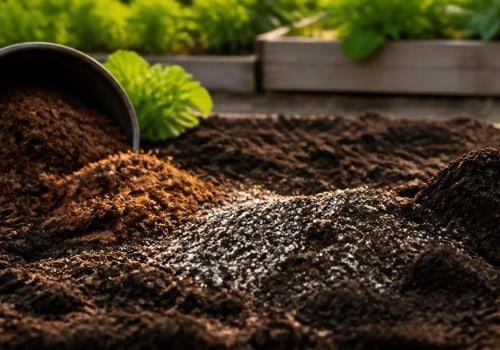
The foundation of any successful garden is its soil. Healthy soil is rich in organic matter and nutrients, which supports robust plant growth. To achieve this:- Test your soil regularly to determine its pH and nutrient levels.
This will help you amend it appropriately.
- Add organic compost to improve soil structure and fertility. Compost not only nourishes plants but also encourages beneficial microorganisms that can outcompete pests.
- Practice crop rotation to prevent soil depletion and disrupt pest life cycles. By changing the types of plants grown in specific areas, you can reduce the likelihood of pest infestations.
Watering Practices to Deter Pests
Watering is another critical aspect of garden maintenance that can influence pest populations. Here are some effective practices:- Water early in the morning to allow plants to absorb moisture before the heat of the day.
This reduces excess humidity that can attract pests.
- Avoid overhead watering, which can create wet foliage and promote fungal diseases. Instead, use drip irrigation or soaker hoses to deliver water directly to the roots.
- Monitor your watering schedule based on weather conditions. Overwatering can lead to root rot and attract pests like slugs and snails.
FAQs About Planting Tips and Pest Control
When it comes to planting tips that can aid in pest control, many gardeners have questions.Here are some frequently asked questions that can help clarify effective strategies:
- What are companion plants?
Companion plants are species that, when grown together, can enhance each other's growth and deter pests. For example, planting marigolds alongside vegetables can repel nematodes and other harmful insects. - How does crop rotation help with pest control?
Crop rotation involves changing the types of crops grown in a particular area each season. This practice disrupts the life cycles of pests and diseases that thrive on specific plants, reducing their populations over time. - Can I use herbs for pest control?
Absolutely! Many herbs, such as basil, mint, and rosemary, have natural pest-repelling properties. Incorporating these into your garden not only enhances flavor but also helps keep unwanted insects at bay. - What is the role of beneficial insects?
Beneficial insects like ladybugs and lacewings are natural predators of common garden pests.By creating a habitat that attracts these helpful insects, you can maintain a balanced ecosystem in your garden.
- Are there specific planting times to consider for pest control?
Yes, timing your planting can significantly impact pest populations. Early planting can help crops establish before pests become active, while late planting may coincide with peak pest seasons.
Conclusion: Key Takeaways on Planting Tips for Pest Control
In conclusion, implementing effective planting tips can significantly enhance your garden's resilience against pests. By strategically selecting and positioning your plants, you can create a natural barrier that deters unwanted insects while promoting a healthy ecosystem. Here are the key takeaways to remember:- Diversity is Key: Incorporating a variety of plants can confuse pests and reduce their chances of establishing a stronghold in your garden.
- Companion Planting: Utilize companion planting techniques to pair plants that naturally repel pests with those that attract beneficial insects.
For example, marigolds can deter nematodes and aphids, making them excellent companions for vegetables.
- Timing Matters: Planting at the right time of year can help avoid peak pest populations. Early planting can give your crops a head start before pests become active.
- Soil Health: Healthy soil leads to robust plants that are more resistant to pest infestations. Regularly amend your soil with organic matter to maintain its vitality.
- Physical Barriers: Consider using row covers or netting to protect vulnerable plants from pests while they establish themselves.