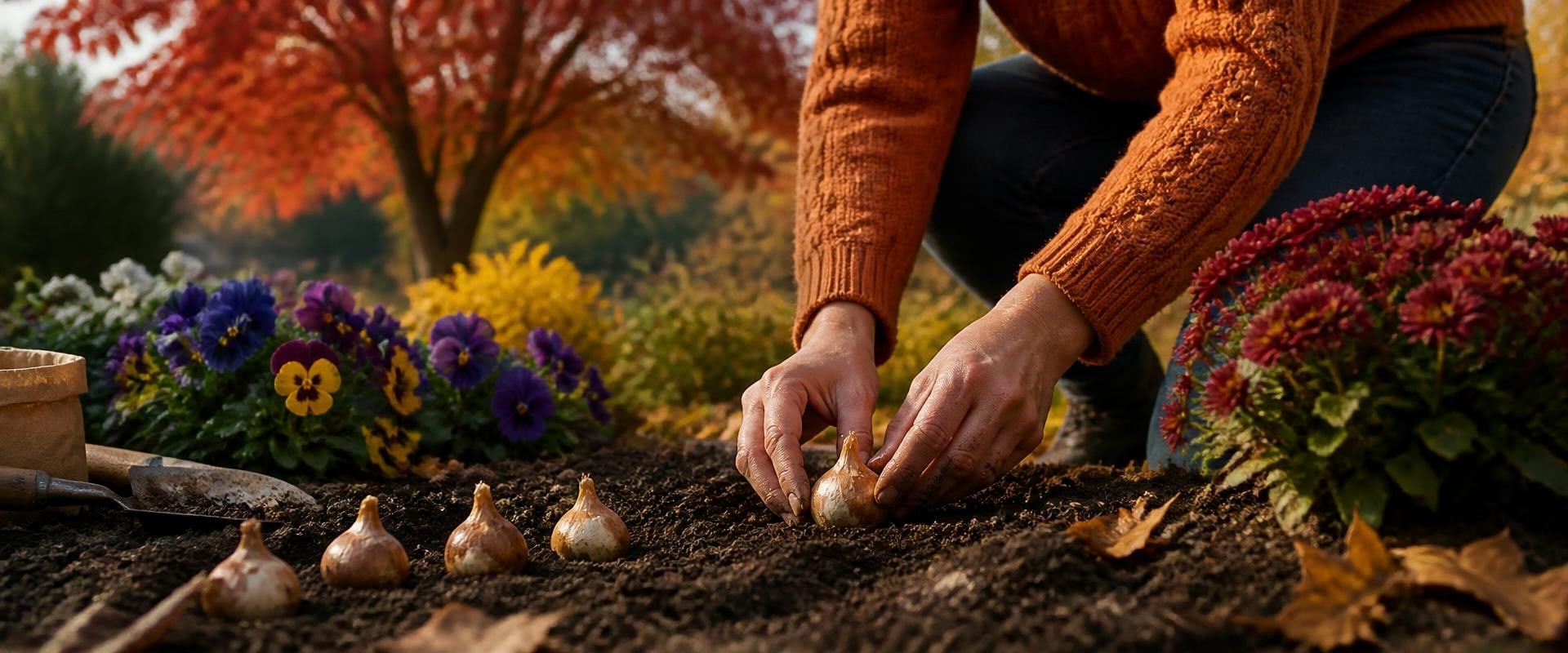
As the vibrant colors of summer fade and the air turns crisp, many gardeners may think it's time to put away their tools and wait for spring. However, fall gardening offers a unique opportunity that shouldn't be overlooked. Understanding the importance of planting in the fall can transform your garden into a thriving ecosystem, even as temperatures drop. This season is not just about preparing for winter; it’s about harnessing the natural cycles of growth and renewal. One of the key benefits of fall planting is the extended growing season it provides.
Many plants, particularly perennials and certain vegetables, thrive when planted in the cooler months. The soil remains warm enough for roots to establish themselves before winter sets in, allowing for a head start come spring. Additionally, fall gardens often face less competition from weeds and pests, creating a more favorable environment for young plants to flourish. Moreover, fall gardening contributes to soil health. As you plant cover crops or add organic matter to your garden beds, you enhance soil structure and fertility.
This not only benefits your current plants but also sets the stage for a more productive garden in the following year. By embracing the concept of fall gardening, you can enjoy a bountiful harvest while also nurturing your garden's long-term health.
Choosing the Right Plants for Fall Gardening
As the temperatures begin to cool and the days shorten, fall gardening presents a unique opportunity to cultivate a variety of plants that thrive in these conditions. Choosing the right plants is essential for a successful fall garden, whether you're looking to grow fall vegetables or fall flowers.Best Plants for Fall Gardening
When selecting plants for your fall garden, consider those that can withstand cooler temperatures and even light frosts. Here are some excellent options:- Kale: This hardy green becomes sweeter after a frost, making it a favorite among fall gardeners.
- Brussels Sprouts: These vegetables thrive in cooler weather and can be harvested well into winter.
- Carrots: Planting carrots in late summer allows them to mature in the cooler fall months, enhancing their flavor.
- Pansies: These vibrant flowers can bloom even in chilly weather, adding color to your garden.
- Mums (Chrysanthemums): A classic fall flower, mums provide stunning blooms that last through the season.
Fall Vegetables
If you're focusing on vegetables, consider planting:- Spinach: This leafy green is quick to germinate and can be harvested multiple times throughout the fall.
- Radishes: Fast-growing and easy to care for, radishes can be sown directly into the ground in early fall.
- Garlic: Planting garlic in the fall allows it to establish roots before winter, leading to a bountiful harvest in summer.
Fall Flowers
For those looking to enhance their garden's aesthetic appeal during the fall months, consider:- Asters: These late-blooming perennials provide beautiful purple hues that attract pollinators.
- Sedum: This succulent plant is drought-resistant and offers stunning autumn colors as it matures.
By focusing on these resilient varieties, you can enjoy the beauty and bounty of your garden well into the cooler months.
Soil Preparation and Amendments
Preparing your soil for fall gardening is crucial to ensure a successful planting season. The cooler temperatures and shorter days of autumn can affect plant growth, making soil preparation even more important. Here are some essential tips to get your garden ready:- Test Your Soil: Before making any amendments, conduct a soil test to determine its pH and nutrient levels. This will help you understand what your soil needs for optimal plant growth.
- Add Organic Matter: Incorporating organic matter such as compost or well-rotted manure can significantly improve soil structure and fertility.
Aim for a layer of 2-3 inches spread evenly across your garden beds.
- Consider Cover Crops: Planting cover crops like clover or rye can enhance soil health during the fall months. These crops prevent erosion, suppress weeds, and add nutrients back into the soil when tilled under in spring.
- Adjust Soil pH: If your soil test indicates that the pH is too low or too high, consider adding lime to raise the pH or sulfur to lower it. This adjustment is vital for nutrient availability.
- Incorporate Fertilizers: Depending on your soil test results, you may need to add specific fertilizers. Look for balanced options that provide essential nutrients like nitrogen, phosphorus, and potassium.
Remember that improving garden soil in fall not only benefits your current plants but also sets the stage for a thriving garden in the following spring.
Timing Your Planting: When to Plant in Fall
Timing is crucial when it comes to fall gardening. Understanding the right schedule for planting can significantly impact your crop yield and overall success. Here’s a guide to help you navigate the fall planting schedule.When to Plant in Autumn
- Cool-Season Crops: These are best planted in late summer to early fall. Ideal planting times typically range from mid-August to early September, depending on your local climate.
Crops like spinach, kale, and broccoli thrive in cooler temperatures and can be harvested well into the fall.
- Garlic: For those looking to plant garlic, the best time is usually in October. This allows the bulbs to establish roots before winter sets in, leading to a robust harvest in the following summer.
- Cover Crops: If you're interested in improving soil health, consider planting cover crops like clover or rye. These can be sown in late September to early October, providing nutrients and preventing erosion during the winter months.
- Perennials: Fall is also an excellent time for planting perennials. Aim for late September to early October, allowing them to establish roots before the ground freezes.
Timing for Fall Gardening
The key to successful fall gardening lies in understanding your local frost dates.
Most gardeners should aim to plant at least 6-8 weeks before the first expected frost. This timeframe allows plants enough time to mature and produce a harvest before winter conditions set in.Additionally, consider using season extenders like row covers or cold frames. These tools can help protect your plants from unexpected cold snaps and prolong your growing season.By adhering to these planting tips, you can maximize your fall garden's potential and enjoy a bountiful harvest even as the temperatures drop.
Watering and Maintenance Tips for Fall Gardens
As the temperatures begin to drop and the days shorten, watering and maintenance become crucial for the success of your fall garden. Proper care during this season ensures that your plants remain healthy and vibrant, ready to withstand the colder months ahead.Watering Tips for Fall Gardening
In fall, the watering needs of your garden may change due to cooler temperatures and increased rainfall.Here are some essential watering tips:
- Monitor Soil Moisture: Check the moisture level of your soil regularly. Use your finger to dig about an inch into the soil; if it feels dry, it’s time to water.
- Water Deeply: When you do water, aim for deep watering rather than frequent shallow watering. This encourages roots to grow deeper and become more resilient.
- Time Your Watering: Water in the morning to allow plants to absorb moisture before the cooler evening temperatures set in. This helps prevent fungal diseases.
- Avoid Overwatering: Be cautious not to overwater, as cooler temperatures can lead to slower evaporation rates, increasing the risk of root rot.
Maintaining a Fall Garden
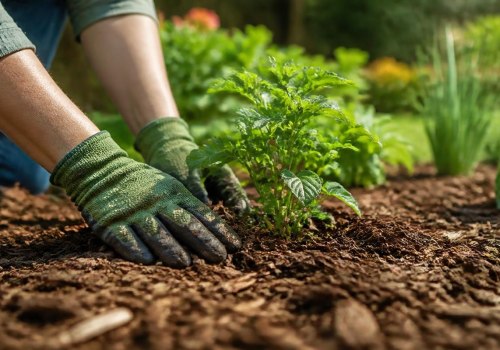
Alongside proper watering, maintaining your fall garden involves several key practices:- Mulching: Apply a layer of mulch around your plants.
This helps retain moisture, suppress weeds, and regulate soil temperature.
- Pest Control: Keep an eye out for pests that may thrive in cooler weather. Use organic pest control methods to protect your plants without harming beneficial insects.
- Fertilization: Consider applying a slow-release fertilizer designed for fall use. This provides essential nutrients that support root development as plants prepare for winter.
- Pruning: Remove any dead or diseased foliage to promote airflow and reduce disease risk. Pruning also encourages new growth in spring.
With proper care, your autumn garden can thrive even as temperatures drop, setting the stage for a successful spring bloom.
Protecting Your Fall Garden from Frost and Pests
As the temperatures begin to drop in the fall, protecting your garden from frost and pests becomes essential for ensuring a successful harvest. Here are some effective strategies to safeguard your autumn plants.Frost Protection Techniques
- Covering Plants: Use frost cloths, old sheets, or blankets to cover sensitive plants during cold nights. This simple method can trap heat and protect them from frost damage.
- Mulching: Apply a thick layer of mulch around the base of your plants. Mulch acts as an insulator, helping to maintain soil temperature and protect roots from freezing.
- Row Covers: Consider using floating row covers that allow sunlight and moisture to penetrate while providing a barrier against frost.
- Timing Planting: Be mindful of your local frost dates.
Planting late-season crops like kale or spinach can be timed to mature before the first hard frost.
Pest Control in Fall Gardening
As the weather cools, pests may seek refuge in your garden. Implement these pest control measures:- Regular Monitoring: Keep an eye on your plants for signs of pest activity. Early detection is key to managing infestations effectively.
- Natural Predators: Encourage beneficial insects such as ladybugs and lacewings that prey on common garden pests. Planting flowers like marigolds can attract these helpful allies.
- Organic Pesticides: If necessary, use organic pest control methods such as neem oil or insecticidal soap to minimize harm to beneficial insects while targeting pests.
Protecting your plants not only enhances their growth but also ensures a bountiful harvest well into the autumn months.
Harvesting and Storing Your Fall Crops
Successfully harvesting your fall crops is crucial to ensuring that you enjoy the fruits of your labor. Timing is everything; most fall vegetables are best harvested in the morning when temperatures are cooler. This helps preserve their flavor and texture. Here are some essential harvesting tips for your autumn garden:- Check for Ripeness: Each vegetable has its own signs of ripeness.
For example, pumpkins should have a deep orange color and a hard rind, while carrots can be pulled when they reach a desirable size.
- Use the Right Tools: A sharp knife or garden shears can help you make clean cuts, reducing damage to the plant and ensuring that you can harvest efficiently.
- Avoid Bruising: Handle your crops gently to prevent bruising, which can lead to spoilage. Place harvested vegetables in a basket or container that allows for airflow.
- Cool and Dry: Most vegetables store best in a cool, dry place. A basement or root cellar is ideal for many root vegetables.
- Avoid Washing Before Storage: Washing can introduce moisture, leading to rot.
Instead, brush off any dirt and store them dry.
- Use Ventilated Containers: Store vegetables in crates or mesh bags that allow air circulation to prevent mold growth.
Frequently Asked Questions About Fall Gardening
As the days grow shorter and temperatures begin to drop, many gardeners have questions about how to effectively manage their fall gardening efforts.Here are some of the most frequently asked questions regarding autumn planting and troubleshooting common issues.
What vegetables can I plant in the fall?
Fall is an excellent time to plant a variety of cool-season crops. Some popular choices include:- Kale
- Spinach
- Garlic
- Radishes
- Broccoli
- Carrots
How do I protect my plants from frost?
Frost can be a significant concern for fall gardeners. To protect your plants, consider the following strategies:- Covering plants with frost cloth or old sheets during cold nights.
- Using row covers to create a warmer microclimate.
- Mulching around the base of plants to insulate roots.
- Bringing potted plants indoors or into a sheltered area.
What should I do if my fall garden isn’t thriving?
If you notice that your fall garden isn’t performing as expected, consider these troubleshooting tips:- Check soil quality: Ensure your soil is well-draining and rich in nutrients. Adding compost can improve soil health.
- Monitor watering: Overwatering or underwatering can stress plants.
Adjust your watering schedule based on rainfall and temperature.
- Pest control: Inspect for pests that may be affecting your plants. Use organic pest control methods when possible.
- Sufficient sunlight: Ensure your plants are receiving adequate sunlight, especially as days shorten.
Conclusion: Embracing Fall Gardening Success
As we conclude our exploration of planting tips for fall gardening, it's essential to reflect on the key strategies that can lead to a thriving garden during this vibrant season. Fall gardening offers unique opportunities to cultivate a variety of plants that not only survive but flourish in cooler temperatures.First and foremost, understanding your local climate and selecting the right plants is crucial. Opt for cold-hardy varieties such as kale, spinach, and certain root vegetables that can withstand frost.Additionally, consider planting perennials that will establish strong root systems before winter sets in.Another vital tip is to prepare your soil adequately. Enriching your garden bed with organic matter like compost not only improves soil structure but also enhances nutrient availability for your plants. This practice ensures that your garden is well-equipped to support healthy growth as the temperatures drop.Moreover, timing is everything in fall gardening. Aim to plant early enough in the season to allow your crops to mature before the first hard frost.
Utilizing season extenders, such as row covers or cold frames, can also provide additional protection for your plants, allowing you to enjoy fresh produce well into the colder months.Finally, don’t forget about maintenance. Regularly check for pests and diseases, as these can still pose a threat in fall. Keeping your garden tidy by removing debris and dead plants will help prevent issues and promote a healthier growing environment.In summary, embracing fall gardening with these planting tips can lead to a rewarding experience filled with bountiful harvests. By selecting appropriate plants, preparing your soil, timing your planting correctly, and maintaining your garden diligently, you can enjoy the beauty and productivity of your garden even as the seasons change.
So grab your tools and get ready to cultivate a flourishing fall garden!.