Companion planting is a time-honored gardening technique that involves strategically placing different plants in proximity to one another for mutual benefit. This practice not only enhances the growth and health of plants but also promotes biodiversity within the garden ecosystem. By understanding the principles of companion planting, gardeners can create a thriving environment that maximizes yield while minimizing pests and diseases. The significance of companion planting lies in its ability to harness the natural relationships between plants. Certain combinations can lead to improved nutrient uptake, enhanced pollination, and even pest deterrence.
For instance, planting basil alongside tomatoes can improve flavor and repel harmful insects, while marigolds are known to deter nematodes and other pests when planted near vegetables. These synergistic relationships not only boost plant health but also contribute to a more sustainable gardening practice. As we delve deeper into the world of companion planting, it’s essential to explore effective planting tips that can help you make the most of this technique. From understanding which plants thrive together to knowing the best planting times, these tips will empower you to cultivate a flourishing garden that benefits from the natural alliances formed between plants. Embracing companion planting can transform your gardening experience, leading to healthier plants and a more bountiful harvest.
Key Principles of Companion Planting
Companion planting is a gardening strategy that involves growing different plants in proximity for mutual benefit.Understanding the key principles of companion planting can significantly enhance your gardening success. Here are some fundamental concepts to consider:
- Mutual Benefits: Certain plants can enhance each other's growth, repel pests, or attract beneficial insects. For example, planting basil near tomatoes can improve flavor and deter pests.
- Diversity: A diverse garden ecosystem is more resilient. Incorporating a variety of plants can help prevent disease and pest outbreaks, as well as improve soil health.
- Plant Families: Understanding plant families is crucial.
Some plants share similar nutrient needs or pest vulnerabilities. For instance, members of the legume family, like beans, can fix nitrogen in the soil, benefiting neighboring plants.
- Growth Habits: Consider the growth habits of plants. Taller plants can provide shade for shorter ones, while sprawling plants can cover the ground and suppress weeds. For example, corn can serve as a natural trellis for beans.
- Pest Management: Companion planting can be an effective organic pest control method.
Certain plants, such as marigolds, are known to repel nematodes and other harmful insects.
Choosing Compatible Plants
When it comes to companion planting, selecting compatible plants is crucial for maximizing growth and minimizing pests. Understanding the relationships between different plants can lead to a thriving garden ecosystem.Understanding Plant Relationships
Some plants naturally enhance each other's growth, while others may compete for resources or attract pests. Here are some key considerations when choosing plant pairings:- Nitrogen Fixation: Legumes, such as beans and peas, are excellent companions for nitrogen-hungry plants like corn and leafy greens.
They enrich the soil with nitrogen, promoting healthier growth.
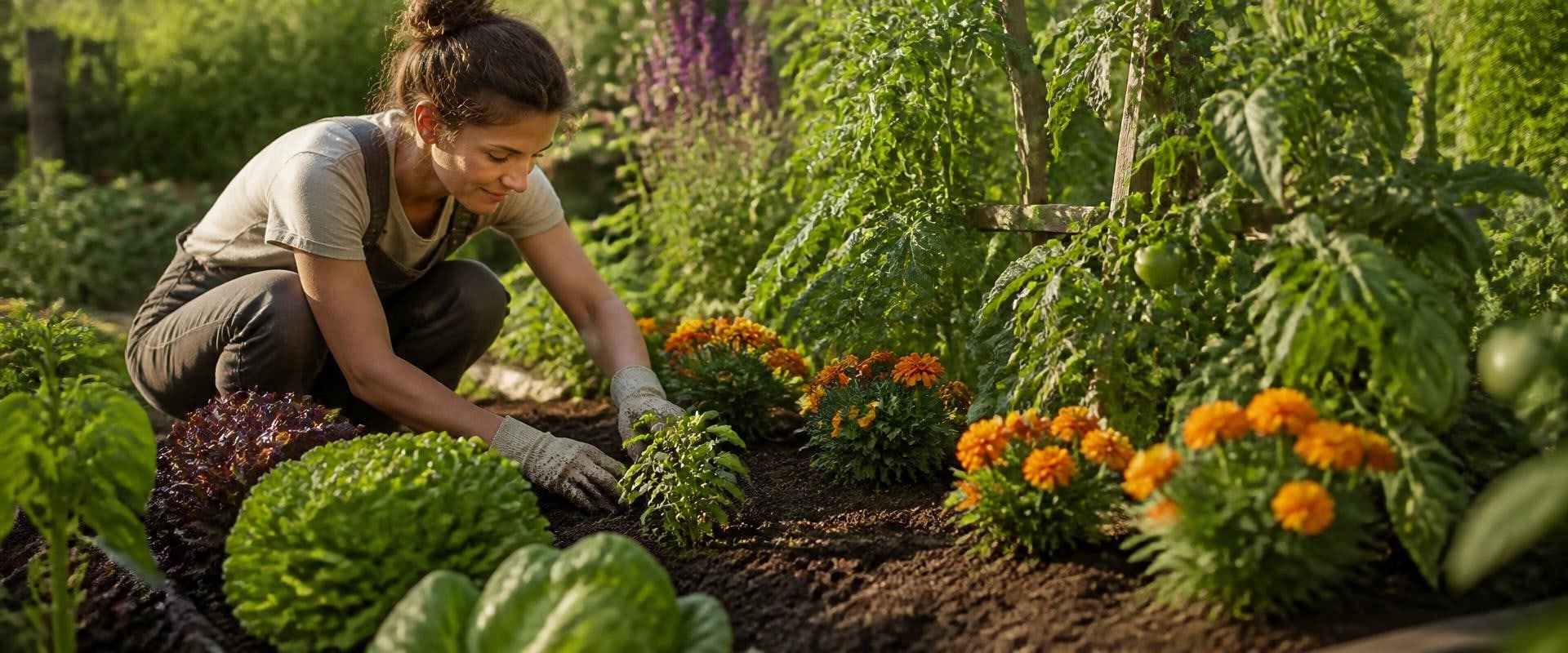
- Pest Deterrence: Marigolds are known for their ability to repel nematodes and other pests. Pairing them with tomatoes or peppers can help protect these vulnerable crops.
- Attracting Beneficial Insects: Flowers like dill and fennel attract pollinators and predatory insects that can help control pest populations. Planting these alongside vegetables can enhance overall garden health.
Examples of Beneficial Pairings
Here are some effective plant pairings that illustrate the principles of companion planting:- Tomatoes and Basil: This classic combination not only enhances flavor but also helps deter pests like aphids and whiteflies.
- Cucumbers and Nasturtiums: Nasturtiums act as a trap crop, luring aphids away from cucumbers while also providing edible flowers.
- Carrots and Onions: These two plants benefit from each other by masking their scents, which helps reduce pest attraction.
Planting Techniques for Companion Planting
When it comes to companion planting, employing effective planting techniques can significantly enhance your garden's productivity and health.Here are some key methods to consider:
- Intercropping: This technique involves planting two or more crops in close proximity for mutual benefit. For example, pairing tomatoes with basil not only maximizes space but also improves flavor and deters pests.
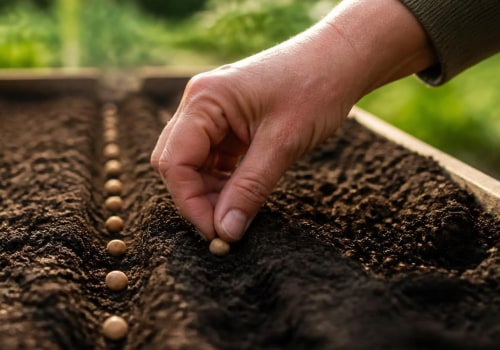
- Succession Planting: To ensure a continuous harvest, practice succession planting by sowing seeds at intervals. This method allows you to plant fast-growing crops like radishes alongside slower-growing ones like carrots, ensuring that your garden remains productive throughout the growing season.
- Trap Cropping: Utilize trap crops to lure pests away from your main crops. For instance, planting mustard or sunflowers can attract aphids, keeping them away from more vulnerable plants.
- Vertical Gardening: Implement vertical gardening techniques to maximize space and light exposure.
Climbing plants like peas can be grown alongside lower-growing crops, optimizing the use of your garden area.
Timing Your Planting for Maximum Benefits
Timing your planting is crucial for maximizing the benefits of companion planting. Understanding the right planting schedule can significantly enhance the growth and yield of your garden.Here are some essential tips to consider:
- Know Your Frost Dates: Before planting, it's vital to know the average last frost date in your area. This will help you determine when to start sowing seeds indoors or when to transplant seedlings outdoors.
- Seasonal Planting Tips: Different plants thrive in different seasons. For example, cool-season crops like lettuce and peas should be planted in early spring or fall, while warm-season crops like tomatoes and peppers should be planted after the last frost.
- Planting in Succession: To maximize space and yield, consider planting in succession. For instance, after harvesting early crops like radishes, you can quickly plant a second crop such as carrots.
- Companion Planting Timing: Some plants benefit from being planted together at specific times.
For example, planting basil alongside tomatoes not only enhances flavor but also helps repel pests. Timing these plantings correctly can lead to healthier plants.
Soil Preparation and Maintenance Tips
Successful companion planting begins with proper soil preparation and ongoing maintenance.Healthy soil is the foundation for thriving plants, and understanding how to enhance soil quality can significantly improve plant relationships.
1.Test Your Soil:
Before planting, conduct a soil test to determine pH levels and nutrient content. This information will guide you in making necessary amendments to create an optimal environment for your plants.
2.Amend with Organic Matter:
Incorporate organic matter such as compost or well-rotted manure into your soil. This not only improves soil structure but also enhances nutrient availability, promoting healthy growth for both companion plants.
3.Rotate Crops:
Implementing crop rotation helps prevent nutrient depletion and reduces the risk of soil-borne diseases. By alternating plant families, you can maintain a balanced ecosystem in your garden.
4.Mulching:
Apply a layer of organic mulch around your plants to retain moisture, suppress weeds, and gradually enrich the soil as it decomposes.
This practice supports the overall health of your garden.
5.Maintain Soil Moisture:
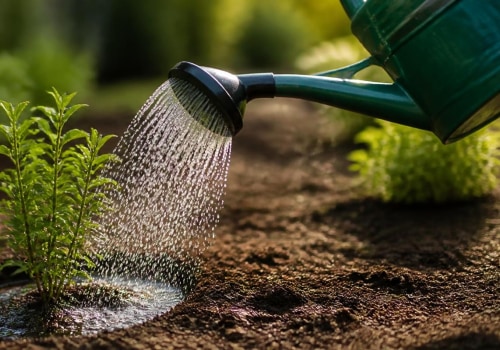
Consistent moisture is crucial for plant health. Use drip irrigation or soaker hoses to provide deep watering without saturating the surface, which can lead to root rot.
6.Encourage Beneficial Microorganisms:
Healthy soil is teeming with beneficial microorganisms that aid in nutrient absorption and disease resistance. Avoid chemical fertilizers and pesticides that can disrupt these vital organisms.
7.Companion Planting Strategies:
When planning your garden layout, consider the specific needs of each plant. For example, pairing nitrogen-fixing legumes with heavy feeders like corn can enhance nutrient availability in the soil.By following these soil health tips, you can create a thriving environment that supports successful companion planting.
Healthy soil not only fosters strong plant relationships but also contributes to a more sustainable gardening practice.
Common Mistakes to Avoid in Companion Planting
Companion planting can be a rewarding gardening technique, but it’s essential to avoid common mistakes that can hinder your success. Here are some pitfalls to watch out for:- Ignoring Plant Compatibility: Not all plants thrive together. For instance, planting tomatoes near potatoes can lead to increased susceptibility to diseases. Always research which plants benefit each other and which do not.
- Overcrowding: While it may be tempting to plant as many companions as possible, overcrowding can lead to competition for nutrients and sunlight.
Ensure that each plant has enough space to grow by following recommended spacing guidelines.
- Neglecting Soil Health: Companion planting is not a substitute for good soil management. Failing to amend your soil with organic matter or neglecting pH levels can affect the health of all plants involved. Regularly test your soil and amend it as necessary.
- Planting at the Wrong Time: Timing is crucial in gardening. Planting companions too early or too late can result in poor growth or failure to thrive.
Be mindful of the growing seasons for each plant type.
- Not Considering Growth Habits: Some plants grow tall while others spread wide. For example, planting sunflowers next to lettuce may shade the lettuce too much. Always consider the growth habits of your plants when planning your layout.
Frequently Asked Questions about Companion Planting
Companion planting can be a rewarding practice for gardeners, but it often raises several questions.Here are some frequently asked questions about companion planting that can help clarify your gardening journey.
What is companion planting?
Companion planting is the practice of growing different plants in proximity for mutual benefit. This can include pest control, pollination enhancement, and improved growth conditions.What are some effective companion plant pairings?
- Tomatoes and basil: Basil can enhance the flavor of tomatoes and repel pests.
- Carrots and onions: Onions can deter carrot flies, while carrots can help aerate the soil for onions.
- Corn, beans, and squash: Known as the "Three Sisters," this trio supports each other’s growth through nutrient sharing and structural support.
How do I know which plants to pair?
Researching plant compatibility is crucial. Look for plants that have complementary needs in terms of sunlight, water, and nutrients. Additionally, consider plants that attract beneficial insects or repel harmful pests.Can I use companion planting in small spaces?
Absolutely! Companion planting is particularly beneficial in small gardens or containers.By maximizing space with compatible plants, you can create a thriving garden even in limited areas.
Are there any plants I should avoid pairing?
Certain plants can hinder each other's growth. For example, cabbage family members should not be planted near strawberries, as they can stunt their growth. Always check compatibility before planting.By understanding these common questions about companion planting, you can make informed decisions that enhance your gardening experience and yield better results.Conclusion: Embracing Companion Planting for a Thriving Garden
In conclusion, embracing companion planting can significantly enhance the health and productivity of your garden. By implementing the right planting tips, you can create a harmonious ecosystem that benefits both plants and gardeners alike. Throughout this article, we explored various strategies that highlight the importance of pairing compatible plants.Here are some key takeaways:
- Understand plant relationships: Recognizing which plants thrive together can lead to improved growth and yield. For instance, planting tomatoes alongside basil not only enhances flavor but also helps deter pests.
- Diversity is key: Incorporating a variety of plants can attract beneficial insects and pollinators, which are essential for a thriving garden.
- Utilize natural pest control: Certain plants, like marigolds, can repel harmful insects, reducing the need for chemical pesticides.
- Optimize space: Companion planting allows for more efficient use of garden space by maximizing vertical growth and minimizing competition for resources.