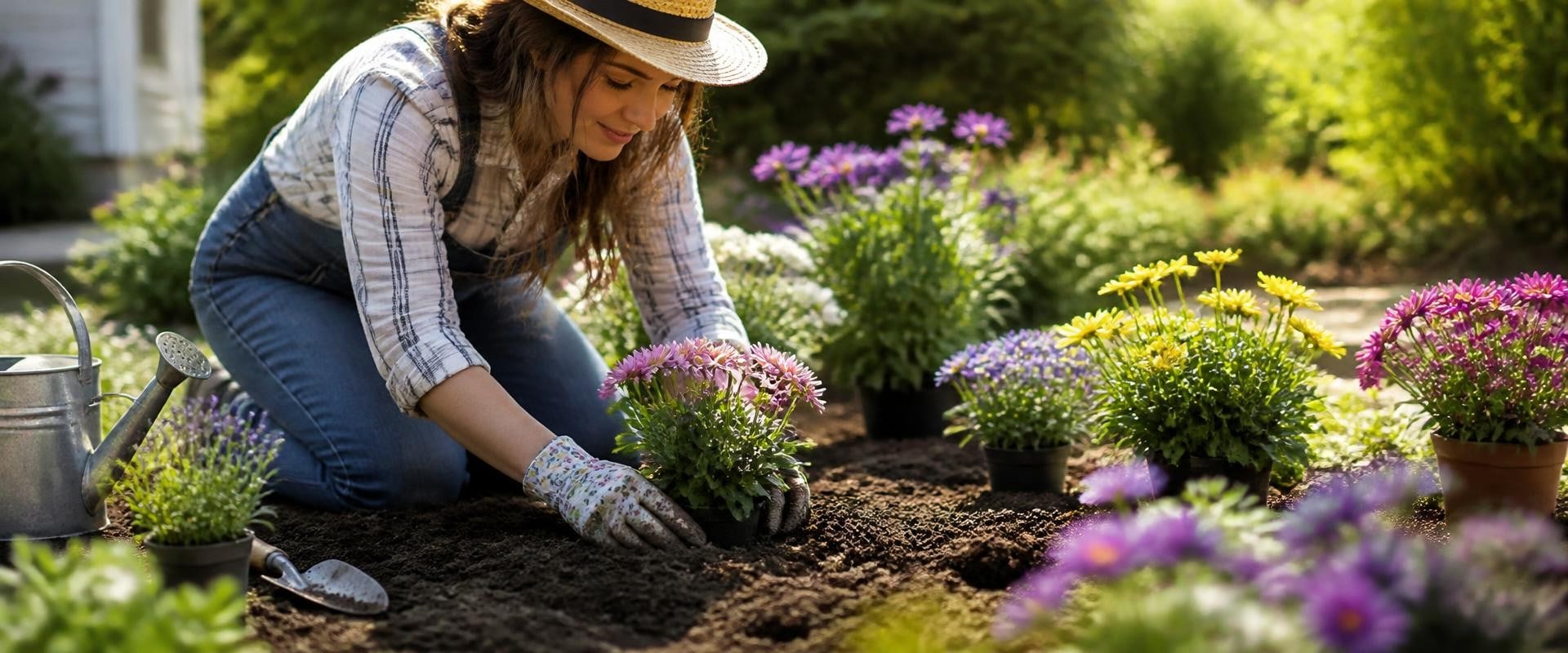
When it comes to planting tips for flowers, understanding the different types of flowering plants is essential. Flowers can be broadly categorized into two main groups: annuals and perennials. Annuals, such as petunias and marigolds, complete their life cycle in one growing season. They are perfect for gardeners looking to change their landscape frequently, as they offer vibrant colors and a variety of options each year.
On the other hand, perennials like daisies and peonies return year after year, providing a stable foundation for your garden. Knowing which type suits your gardening style can significantly influence your planting success. Another critical factor to consider is the climate in which you are planting. Different flowers thrive in varying conditions, from hot and humid to cool and dry. For instance, if you live in a warmer climate, you might want to focus on drought-resistant varieties that can withstand the heat.
Conversely, cooler regions may benefit from hardy perennials that can survive frost. Understanding your local climate not only helps in selecting the right flowers but also ensures that they flourish in their environment. In summary, grasping the basics of flower types and climate considerations lays the groundwork for successful planting. By choosing the right combination of annuals and perennials suited to your specific climate, you can create a stunning floral display that lasts throughout the seasons. This foundational knowledge will empower you to make informed decisions as you embark on your gardening journey.
Choosing the Right Location
Choosing the right location for your flowers is crucial for their growth and overall health.Here are some essential factors to consider:
Sunlight Requirements
Most flowering plants thrive in full sun, which typically means they need at least 6 to 8 hours of direct sunlight each day. However, some varieties prefer partial shade. Before planting, observe your garden throughout the day to identify areas that receive adequate sunlight. Consider the following:- Morning Sun: Morning sunlight is gentler and helps dry dew quickly, reducing the risk of fungal diseases.
- Afternoon Sun: This can be more intense and may require plants to have adequate moisture to prevent wilting.
Soil Drainage
Proper soil drainage is vital for preventing root rot and ensuring that your flowers receive the right amount of moisture.Here are some tips:
- Test the drainage by digging a hole about 12 inches deep and filling it with water. If it drains within a few hours, you have good drainage.
- If your soil retains too much water, consider amending it with organic matter like compost or peat moss to improve its structure.
Wind Protection
Strong winds can damage delicate flowers and hinder their growth. To protect your plants:- Choose a location that is naturally sheltered by trees, fences, or buildings.
- If such protection is not available, consider planting windbreaks or using garden structures like trellises to shield your flowers.
Soil Preparation Techniques
Preparing your soil is a crucial step in ensuring the success of your flower garden.Healthy soil provides the necessary nutrients and structure for vibrant blooms. Here are some essential soil preparation techniques to consider:
Soil Testing
Before planting, it's important to understand the current state of your soil. Conducting a soil test can reveal pH levels, nutrient content, and organic matter percentage. You can purchase a soil testing kit from a garden center or send a sample to a local extension service.Aim for a pH between 6.0 and 7.0 for most flowering plants.
Amendments
Based on your soil test results, you may need to make amendments to improve soil quality. Common amendments include:- Compost: Adds organic matter and improves soil structure.
- Peat moss: Enhances moisture retention and aeration.
- Lime: Raises pH levels if your soil is too acidic.
- Sulfur: Lowers pH levels if your soil is too alkaline.
Tilling Methods
Tilling is another important aspect of soil preparation. It helps aerate the soil and incorporates amendments effectively. Here are some methods to consider:- Hand Tilling: Use a garden fork or spade for small areas, turning the soil manually.
- Tiller Machine: For larger plots, a rototiller can save time and effort.
- No-Till Gardening: This method involves layering organic materials on top of the soil without disturbing it, promoting beneficial microorganisms.
By following these soil preparation techniques, you'll set the stage for a flourishing flower garden that thrives throughout the growing season.
Planting Techniques for Success
Successful flower planting hinges on a few critical techniques that ensure your blooms thrive. Understanding planting depth, spacing guidelines, and the timing of planting can significantly impact the health and vibrancy of your flowers.Planting Depth
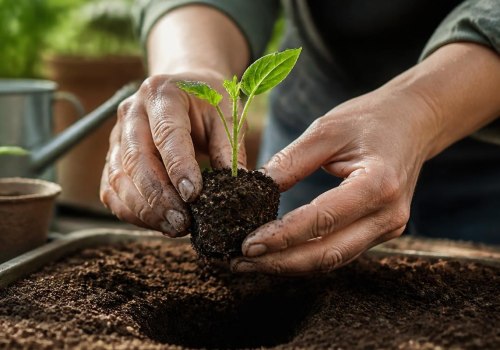
One of the most crucial aspects of planting flowers is determining the correct planting depth. Generally, bulbs should be planted at a depth that is about two to three times their height. For instance, if you have a bulb that is 2 inches tall, plant it 4 to 6 inches deep.This depth helps protect the bulbs from temperature fluctuations and ensures they have enough soil to anchor themselves.
Spacing Guidelines
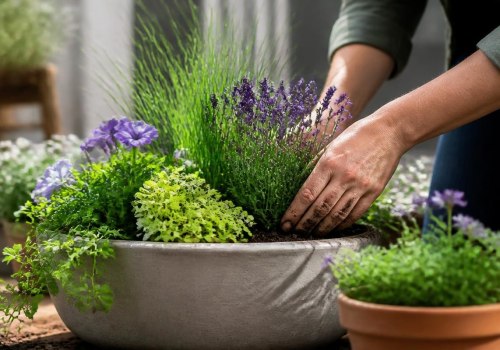
Proper spacing between plants is essential for airflow and nutrient access. When planting annuals or perennials, consider the mature size of each plant. A good rule of thumb is to space plants at least 12 to 18 inches apart for larger varieties, while smaller flowers can be spaced closer together, around 6 to 12 inches apart. This spacing allows each plant to receive adequate sunlight and reduces competition for water and nutrients.Timing of Planting
The timing of planting can vary based on the type of flower and your local climate.Most spring-blooming flowers should be planted in early spring after the last frost date, while summer-blooming varieties can be planted in late spring or early summer. Always check your local gardening zone for specific dates and conditions that may affect your planting schedule.By adhering to these essential planting techniques—correct depth, appropriate spacing, and optimal timing—you can create a flourishing garden that showcases beautiful blooms throughout the growing season.
Watering and Fertilization Strategies
To ensure your flowers thrive, understanding watering and fertilization strategies is essential. Proper hydration and nutrition are vital for blooming, and implementing effective practices can make a significant difference in your garden's health.Watering Frequency
The frequency of watering depends on several factors, including the type of flowers, soil conditions, and climate. Generally, most flowering plants require about 1 inch of water per week.However, during hot summer months, you may need to increase this to 2 inches. Here are some tips for effective watering:
- Check the soil: Before watering, check the top inch of soil. If it feels dry, it's time to water.
- Water deeply: Aim for deep watering sessions rather than frequent shallow ones. This encourages roots to grow deeper into the soil.
- Time it right: Water early in the morning or late in the afternoon to minimize evaporation.
Types of Fertilizers
Choosing the right fertilizer is crucial for promoting healthy growth and vibrant blooms.There are two main types of fertilizers:
- Synthetic fertilizers: These are chemically formulated and provide quick nutrients to plants. They are effective but can lead to nutrient runoff if overused.
- Organic fertilizers: Derived from natural sources, these fertilizers improve soil health over time and release nutrients slowly. They are generally safer for the environment.
Organic vs Synthetic Options
The choice between organic and synthetic fertilizers often depends on your gardening philosophy and goals. Organic options, such as compost or well-rotted manure, enhance soil structure and promote beneficial microorganisms.On the other hand, synthetic fertilizers can deliver immediate results but may require careful management to avoid harming beneficial soil life.Ultimately, a balanced approach that combines both organic amendments with occasional synthetic fertilizers can yield the best results for your flowering plants. Regularly testing your soil can also help you determine which nutrients are needed and how best to provide them.
Pest and Disease Management
Maintaining a vibrant flower garden requires vigilance against common pests and diseases that can threaten your plants. Understanding these threats is the first step in effective pest and disease management.Common Pests
Some of the most prevalent pests that affect flowering plants include:- Aphids: These small, soft-bodied insects suck the sap from plants, leading to stunted growth and yellowing leaves.
- Spider Mites: Often found on the undersides of leaves, spider mites create fine webs and can cause leaf discoloration.
- Whiteflies: Similar to aphids, whiteflies feed on plant sap and can transmit diseases.
- Slugs and Snails: These mollusks can decimate young plants overnight, leaving behind ragged edges on leaves.
Disease Prevention
Preventing diseases is crucial for maintaining healthy flowers. Here are some effective strategies:- Choose Resistant Varieties: Select flower varieties that are known for their resistance to specific pests and diseases.
- Practice Crop Rotation: Changing the location of your flowers each season can help disrupt pest life cycles.
- Maintain Good Air Circulation: Proper spacing between plants allows for better airflow, reducing humidity levels that foster fungal diseases.
Organic Pest Control Methods
If you encounter pest problems, consider these organic control methods:- Neem Oil: This natural pesticide disrupts the life cycle of pests without harming beneficial insects.
- Insecticidal Soap: Effective against soft-bodied insects like aphids, insecticidal soap suffocates pests on contact.
- Companion Planting: Planting certain flowers together can deter pests naturally.
For example, marigolds are known to repel nematodes and aphids.
Seasonal Care Tips for Flowering Plants
Maintaining the health and beauty of your flowering plants requires attention throughout the seasons. Each season presents unique challenges and opportunities for care, ensuring that your plants thrive year-round.Spring: Pruning and Preparation
As the weather warms up, spring is the ideal time to prune your flowering plants. This process encourages new growth and helps maintain a desirable shape. Here are some tips for effective spring pruning:- Remove Dead or Damaged Branches: Start by cutting away any dead or diseased branches to promote healthy growth.
- Shape Your Plants: Trim back overgrown areas to maintain a balanced shape and encourage fuller blooms.
- Timing is Key: Prune early-blooming flowers right after they finish blooming, while late bloomers can be pruned before new growth begins.
Summer: Ongoing Maintenance
During the summer months, focus on watering, fertilizing, and monitoring for pests.Regular watering is crucial, especially during dry spells. Consider these maintenance tips:
- Water Deeply: Ensure that you water deeply and less frequently to encourage deep root growth.
- Fertilize Wisely: Use a balanced fertilizer to support blooming, but avoid over-fertilizing as it can lead to excessive foliage at the expense of flowers.
- Pest Control: Keep an eye out for pests and treat infestations promptly with organic solutions when possible.
Fall: Preparing for Winter
As temperatures begin to drop, it’s essential to prepare your flowering plants for winter. Proper fall care can significantly impact their survival and performance in the spring:- Cut Back Foliage: Trim back spent blooms and foliage to prevent disease and pests from overwintering.
- Add Mulch: Apply a layer of mulch around the base of your plants to insulate roots and retain moisture.
- Consider Planting Bulbs: Fall is also a great time to plant spring-blooming bulbs, ensuring vibrant colors when warmer weather returns.
Winter: Protection Strategies
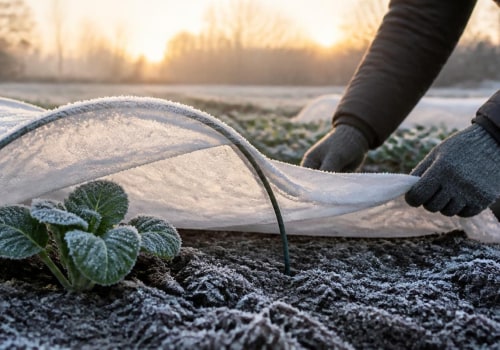
In colder climates, protecting your flowering plants during winter is crucial. Here are some strategies:- Cover with Burlap: For delicate plants, consider wrapping them in burlap or using protective coverings to shield them from harsh winds.
- Avoid Overwatering: Ensure that plants are not overwatered during winter as this can lead to root rot in frozen soil.
- Plan for Spring: Use this time to plan your garden layout for spring planting, ensuring you have everything ready for a successful growing season.
Frequently Asked Questions About Planting Flowers
When it comes to planting flowers, many gardeners have questions that can significantly impact their success.Here are some common planting questions and expert tips to help you navigate the process.
What is the best time to plant flowers?
The ideal time for planting flowers largely depends on your climate zone. Generally, spring is the most favorable season for planting annuals and perennials. However, in warmer regions, fall can also be a great time to plant certain varieties. Always check your local frost dates to ensure optimal growth.How do I prepare my soil for planting?
Soil preparation is crucial for healthy flower growth.Start by testing your soil's pH and nutrient levels. Amend the soil with organic matter such as compost or well-rotted manure to improve its structure and fertility. Ensure good drainage by loosening compacted soil and adding sand if necessary.
What should I do if my flowers are not blooming?
- Check sunlight: Ensure your flowers are receiving adequate sunlight based on their specific needs.
- Watering issues: Overwatering or underwatering can hinder blooming. Adjust your watering schedule accordingly.
- Nutrient deficiency: Consider using a balanced fertilizer to provide essential nutrients.
How can I prevent pests and diseases?
Preventing pests and diseases starts with healthy plants.Choose disease-resistant varieties and maintain proper spacing for air circulation. Regularly inspect your plants for signs of trouble, and consider using organic pest control methods like neem oil or insecticidal soap when necessary.By addressing these common questions and implementing expert tips, you can enhance your flower planting experience and enjoy a vibrant garden throughout the growing season.
Conclusion: Key Takeaways for Successful Flower Planting
In conclusion, successful flower planting hinges on a few key principles that every gardener should embrace. By understanding and implementing these planting tips, you can cultivate a vibrant and flourishing garden that brings joy and beauty to your outdoor space.- Choose the Right Flowers: Selecting flowers that are well-suited to your climate and soil type is crucial. Research local varieties that thrive in your area to ensure a successful bloom.
- Timing is Everything: Planting at the right time of year can significantly impact growth.
Pay attention to frost dates and seasonal changes to optimize your planting schedule.
- Soil Preparation: Healthy soil is the foundation of any garden. Amend your soil with organic matter, such as compost, to improve drainage and nutrient content.
- Water Wisely: Proper watering techniques are essential. Water deeply but infrequently to encourage deep root growth, and always consider the specific needs of each flower type.
- Spacing Matters: Give your flowers enough room to grow by following recommended spacing guidelines. This helps prevent overcrowding and promotes air circulation, reducing the risk of disease.
Remember, gardening is a journey of learning and experimentation; don’t hesitate to adjust your methods as you gain experience. Happy planting!.