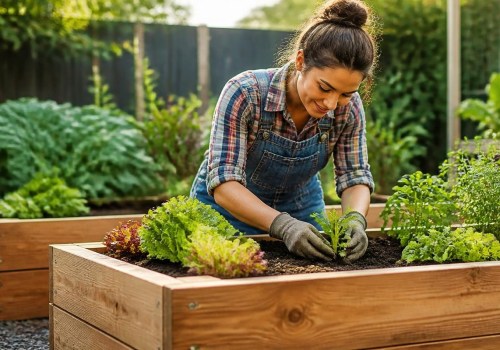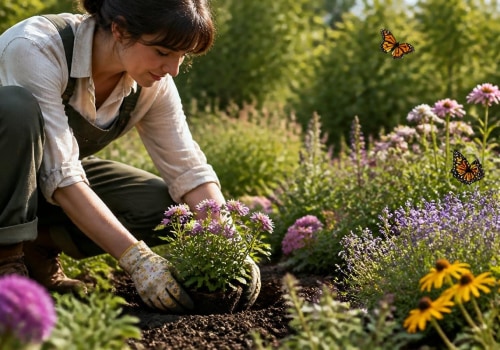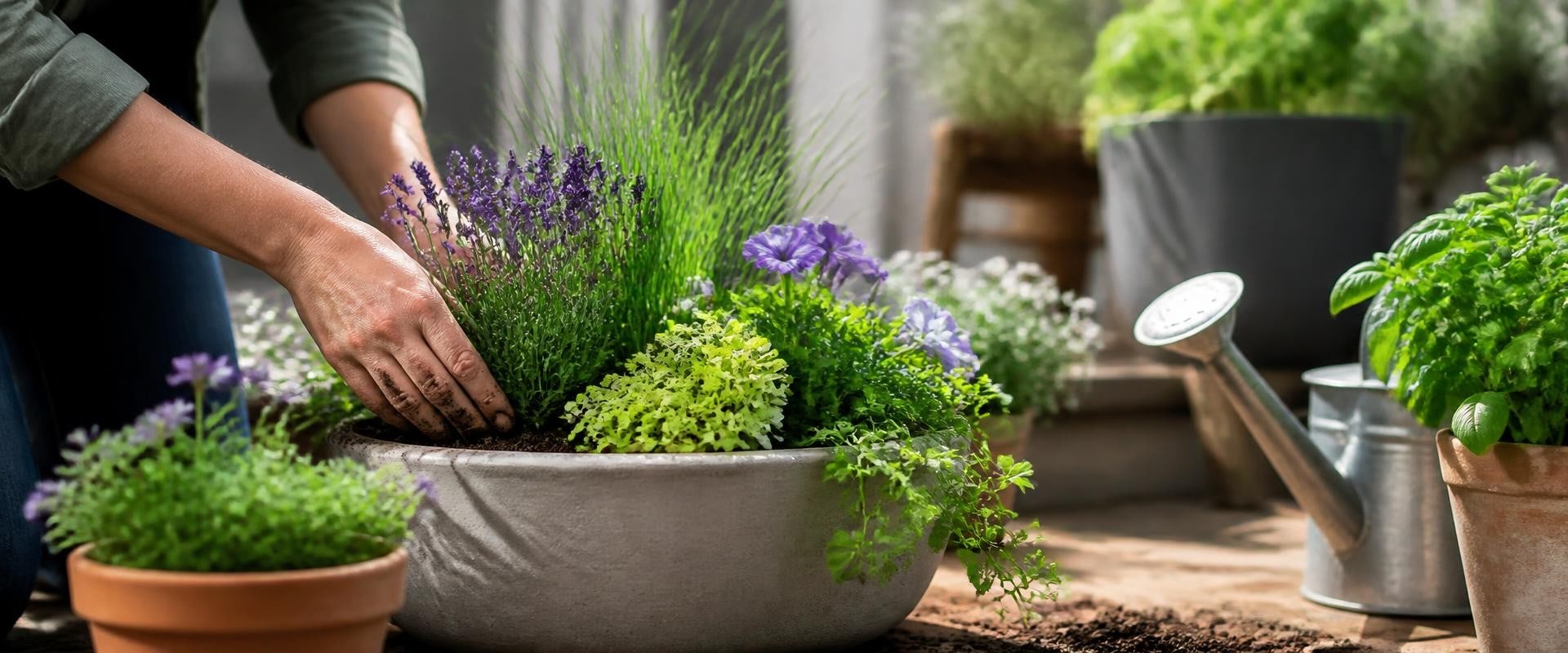
Container gardening is a versatile and accessible method of growing plants that allows individuals to cultivate a variety of flora in limited spaces. Whether you live in a bustling city apartment or a suburban home with a small yard, container gardening offers an ideal solution for those looking to embrace their green thumb. By utilizing pots, planters, and other vessels, you can create a vibrant garden that not only beautifies your surroundings but also provides fresh produce and herbs right at your fingertips. The benefits of container gardening are numerous. For starters, it allows for greater control over soil quality and drainage, which is crucial for healthy plant growth.
Additionally, container gardens can be easily moved to take advantage of sunlight or to protect plants from harsh weather conditions. This flexibility makes it an excellent choice for urban gardeners who may face challenges such as limited sunlight or poor soil quality. Furthermore, container gardening can enhance your outdoor space by adding color and texture, transforming balconies, patios, or even window sills into lush retreats. As you embark on your container gardening journey, understanding the fundamentals will set the stage for successful planting. From selecting the right containers to choosing suitable plants, each decision plays a vital role in the overall health and productivity of your garden.
With the right planting tips, you can maximize your space and enjoy the many rewards that come from nurturing your own plants.
Choosing the Right Containers
When it comes to container gardening, choosing the right containers is essential for the health and growth of your plants. The type of container you select can significantly impact drainage, root development, and overall plant vitality.Best Containers for Plants
There are several types of containers suitable for gardening, each with its own advantages:- Plastic Containers: Lightweight and affordable, plastic pots retain moisture well but may require additional drainage holes.
- Terracotta Pots: These clay pots are porous, allowing air and moisture to circulate. However, they can dry out quickly, so regular watering is necessary.
- Wooden Planters: Aesthetic and sturdy, wooden containers provide good insulation for roots but should be lined to prevent soil loss.
- Metal Containers: While stylish, metal can heat up quickly in the sun, potentially harming plant roots. Ensure proper insulation or choose lighter colors.
Container Materials
The material of your container affects not only aesthetics but also functionality:- Drainage: Ensure your container has adequate drainage holes to prevent waterlogging, which can lead to root rot.
- Insulation: Materials like wood provide better insulation against temperature fluctuations compared to plastic or metal.
- Weight: Consider the weight of the container when filled with soil and plants; heavier materials may be difficult to move.
Container Size
The size of your container is another critical factor.A larger container allows for more soil, which retains moisture and nutrients better than smaller pots. Here are some tips on sizing:
- Small Plants: For herbs or small flowers, a pot that is at least 6-8 inches in diameter is sufficient.
- Medium Plants: For vegetables or medium-sized flowers, opt for containers that are 12-16 inches wide.
- Larger Plants: Trees or large shrubs require pots that are 18 inches or more in diameter to accommodate their root systems.
Selecting the Right Soil and Drainage
When it comes to container gardening, selecting the right soil and ensuring proper drainage are crucial for the health of your plants. Unlike traditional gardens, container gardens rely entirely on the soil you provide, making it essential to choose a high-quality mix that meets the specific needs of your plants.Best Soil for Container Gardens
- Potting Mix: Look for a lightweight potting mix that contains a blend of peat moss, vermiculite, and perlite.
This combination promotes aeration and moisture retention, which is vital for container plants.
- Organic Options: Consider using organic potting soil that is free from synthetic fertilizers and pesticides. Organic mixes often contain beneficial microbes that enhance soil health.
- Specialized Blends: Depending on the type of plants you are growing, you may want to use specialized soil blends. For example, cacti and succulents thrive in sandy mixes, while herbs may prefer a more nutrient-rich blend.
Soil Drainage Tips
- Container Choice: Ensure your containers have adequate drainage holes at the bottom. This prevents water from pooling and causing root rot.
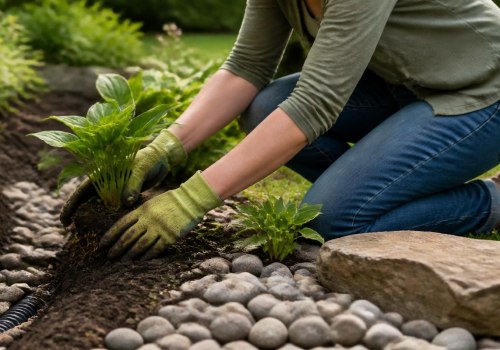
- Layering: Consider adding a layer of small stones or gravel at the bottom of your container before filling it with soil.
This helps facilitate drainage while keeping the soil from washing out.
- Watering Practices: Be mindful of your watering habits. Overwatering can lead to poor drainage and root issues. Always check the top inch of soil; if it feels dry, it’s time to water.
Choosing Plants for Your Container Garden
When it comes to container gardening, selecting the right plants is crucial for a thriving garden.The best plants for container gardening are those that not only fit well in limited space but also complement each other in terms of growth and care requirements.
Best Plants for Container Gardening
- Flowers: Consider vibrant annuals like petunias, geraniums, and marigolds. These flowers add color and can thrive in containers with proper drainage.
- Herbs: Herbs such as basil, parsley, and thyme are excellent choices. They not only enhance your culinary dishes but also attract beneficial insects.
- Vegetables: Compact varieties of vegetables like cherry tomatoes, lettuce, and radishes can flourish in containers, providing fresh produce right at your doorstep.
Companion Planting in Containers
Companion planting is a technique that involves growing different plants together for mutual benefits. In container gardens, this practice can maximize space and improve plant health.Here are some effective combinations:
- Basil and Tomatoes: Basil enhances the flavor of tomatoes while repelling pests.
- Lettuce and Radishes: Radishes grow quickly and can be harvested before the lettuce needs more space.
- Marigolds with Vegetables: Marigolds deter harmful insects, making them great companions for various vegetables.
Watering Techniques for Container Gardens
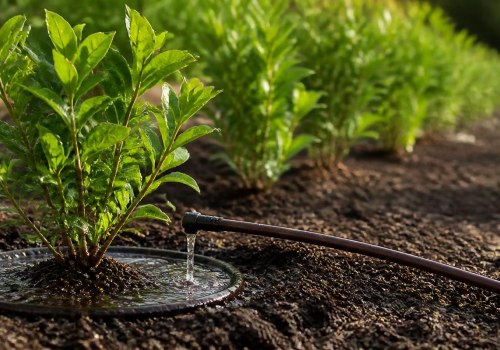
Watering container gardens effectively is crucial for the health of your plants. Unlike traditional gardens, containers can dry out quickly, making it essential to adopt proper watering techniques and schedules.How to Water Container Plants
- Check Soil Moisture: Before watering, always check the soil moisture. Stick your finger about an inch into the soil; if it feels dry, it's time to water.
- Water Thoroughly: When you do water, ensure that you water thoroughly until you see excess water draining from the bottom of the container.
This ensures that the roots receive adequate moisture.
- Avoid Overwatering: While it's important to keep the soil moist, overwatering can lead to root rot. Make sure your containers have drainage holes to prevent water from accumulating.
Watering Frequency for Containers
The frequency of watering will depend on several factors including the type of plants, size of the container, and environmental conditions. Here are some general guidelines:
- Hot Weather: During hot summer days, you may need to water your container plants daily or even twice a day.
- Cooler Weather: In cooler temperatures or during rainy periods, you can reduce watering to every few days or once a week.
- Plant Type: Some plants, like succulents, require less frequent watering compared to thirstier plants like tomatoes or peppers.
Fertilizing Your Container Plants
Fertilizing your container plants is crucial for their growth and overall health. Unlike garden beds, container gardens have limited soil and nutrients, making it essential to provide adequate nutrition through fertilizers.Choosing the Best Fertilizers for Container Gardens
- Water-soluble fertilizers: These are ideal for container gardens as they are quickly absorbed by plants.
Look for a balanced fertilizer with equal parts nitrogen, phosphorus, and potassium (N-P-K) to promote healthy growth.
- Slow-release fertilizers: These provide a steady supply of nutrients over time. They are convenient for busy gardeners since they require less frequent application.
- Organic options: Consider using organic fertilizers like compost, worm castings, or fish emulsion. These not only nourish your plants but also improve soil structure and microbial activity.
Fertilizing Schedule for Potted Plants
Establishing a fertilizing schedule is key to maintaining healthy container plants. Here are some tips:
- Frequency: Generally, fertilize every 4-6 weeks during the growing season (spring and summer).
Reduce frequency in fall and winter when plant growth slows down.
- Watering before fertilizing: Always water your plants before applying fertilizer to prevent root burn and ensure even distribution of nutrients.
- Monitor plant health: Keep an eye on your plants. Yellowing leaves may indicate a nutrient deficiency, while burnt leaf tips can signal over-fertilization.
Managing Pests and Diseases in Container Gardens
Managing pests and diseases in container gardens is crucial for maintaining healthy plants and ensuring a bountiful harvest. Container gardens, while versatile and convenient, can be particularly susceptible to various pests and diseases due to their confined space and unique environmental conditions.Identifying Common Pests
Regularly inspect your plants for signs of pest infestations. Common pests that affect container gardens include:- Aphids: Small, soft-bodied insects that suck sap from plants, leading to wilting and yellowing leaves.
- Spider mites: Tiny arachnids that create fine webs on the undersides of leaves, causing stippling and leaf drop.
- Whiteflies: Small, white flying insects that also feed on plant sap, often leaving a sticky residue known as honeydew.
- Slugs and snails: These mollusks can cause significant damage by eating holes in leaves, especially during damp conditions.
Effective Pest Control Strategies
To manage these pests effectively, consider the following strategies:- Natural Predators: Introduce beneficial insects like ladybugs or lacewings that prey on harmful pests.
- Neem Oil: This natural pesticide disrupts the life cycle of pests without harming beneficial insects when used correctly.
- Insecticidal Soap: A safe option for controlling soft-bodied insects like aphids and spider mites.
- Handpicking: For larger pests like slugs and snails, manual removal can be effective.
Common Diseases in Potted Plants
Diseases can also pose a threat to container gardens.Some common diseases include:
- Root Rot: Caused by overwatering or poor drainage, leading to wilting and yellowing leaves.
- Powdery Mildew: A fungal disease characterized by white powdery spots on leaves, often due to high humidity and poor air circulation.
- Bacterial Blight: This disease causes dark spots on leaves and stems, often spreading rapidly in warm, wet conditions.
Preventing Diseases
To prevent diseases in your container garden:- Ensure Proper Drainage: Use pots with drainage holes and avoid waterlogging the soil.
- Avoid Overcrowding: Space plants adequately to promote air circulation and reduce humidity levels around foliage.
- Rotate Crops: Change the types of plants grown in containers each season to prevent soil-borne diseases from establishing.
- Sanitize Tools: Regularly clean gardening tools to prevent the spread of pathogens between plants.
Seasonal Care Tips for Container Gardens
Caring for your container garden throughout the seasons is essential for maintaining healthy plants and maximizing your gardening success. Here are some seasonal planting tips to help you adapt your gardening practices year-round.Spring Care
As the weather warms up, it's time to prepare your container garden for the growing season. Start by:- Choosing the right plants: Select varieties that thrive in spring temperatures, such as pansies, petunias, and herbs like basil and cilantro.
- Refreshing the soil: Replace old potting mix with fresh soil to provide nutrients for new growth.
- Watering regularly: Spring can be unpredictable; ensure your containers receive adequate moisture, especially during dry spells.
Summer Care
During the hot summer months, container gardens require special attention:- Watering deeply: Water your containers thoroughly in the morning or evening to prevent evaporation and ensure roots absorb moisture.
- Fertilizing: Use a balanced fertilizer every few weeks to support vigorous growth and blooming.
- Providing shade: If possible, place containers in partial shade during the hottest part of the day to protect sensitive plants from scorching.
Fall Care
As temperatures begin to drop, it's important to prepare your container garden for cooler weather:- Transitioning plants: Move tender plants indoors or to a sheltered location before frost hits.
- Planting fall crops: Consider planting cool-season crops like kale and pansies that can withstand lower temperatures.
- Mulching: Apply a layer of mulch to insulate roots and retain moisture as temperatures fluctuate.
Winter Care
Caring for container gardens in winter can be challenging but rewarding. Here are some winter care tips:- Insulating containers: Wrap pots with burlap or bubble wrap to protect roots from freezing temperatures.
- Avoiding overwatering: Reduce watering frequency as plants enter dormancy; too much moisture can lead to root rot.
- Selecting hardy plants: Opt for evergreen varieties or winter-hardy perennials that can survive cold conditions.
Frequently Asked Questions About Container Gardening
Container gardening can raise a variety of questions, especially for beginners.Here are some common questions and their answers to help you navigate your container gardening journey.
- What types of plants are best for container gardening?
When selecting plants for your containers, consider size, growth habits, and light requirements. Herbs, vegetables like tomatoes and peppers, and ornamental flowers such as petunias and geraniums thrive in containers. Always choose plants that have similar water and sunlight needs to ensure they grow well together. - How often should I water my container plants?
Container plants typically require more frequent watering than those in the ground due to faster evaporation. Check the soil moisture daily, especially during hot weather.A good rule of thumb is to water when the top inch of soil feels dry.
- Do I need to fertilize my container plants?
Yes, container plants benefit from regular fertilization since nutrients leach out with each watering. Use a balanced, slow-release fertilizer or a liquid fertilizer every few weeks during the growing season to keep your plants healthy. - Can I reuse potting soil from last year?
While you can reuse potting soil, it’s essential to refresh it by mixing in new soil or compost. This helps replenish nutrients and reduces the risk of disease. Always inspect the old soil for pests or mold before reusing it. - What should I do if my container plants are not thriving?
If your plants are struggling, check for signs of overwatering or underwatering.Ensure they receive adequate sunlight and consider repotting them into fresh soil if necessary. Additionally, inspect for pests or diseases that may be affecting their growth.