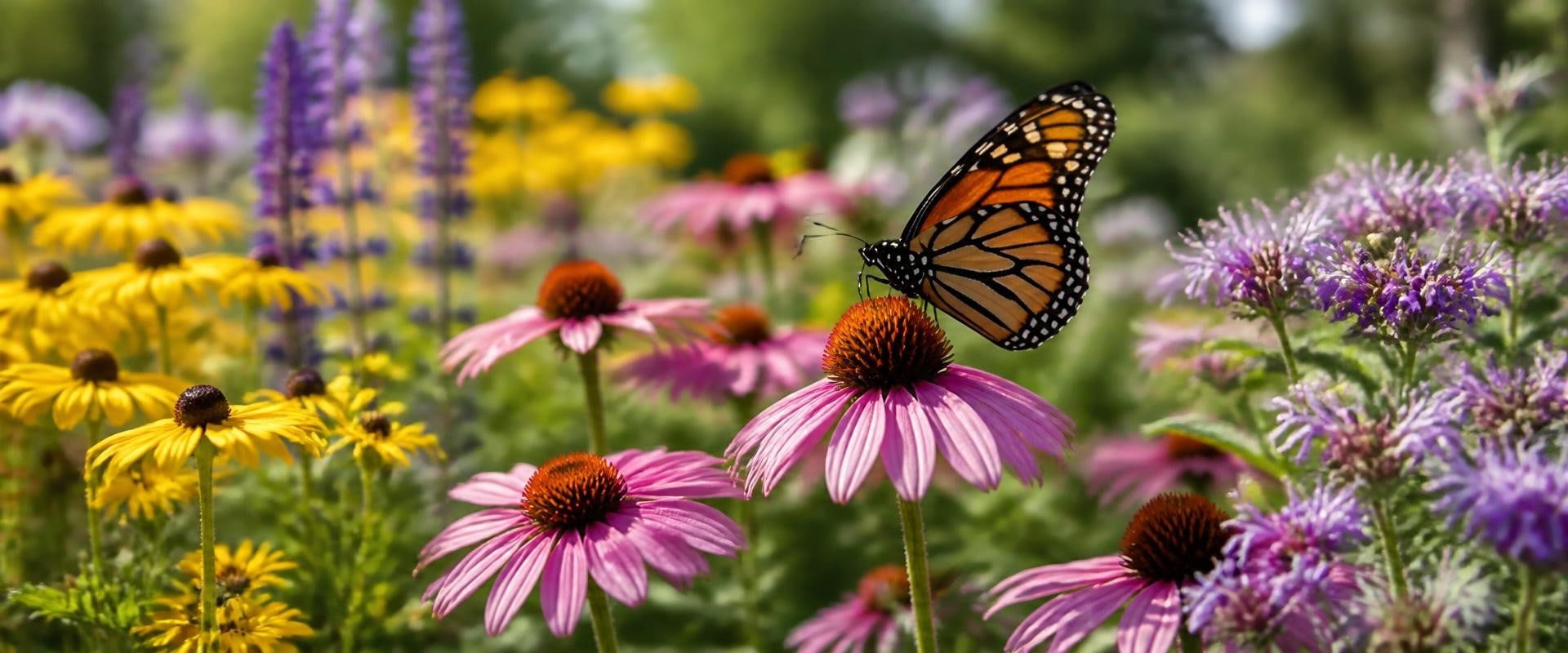
Pollinators play a crucial role in maintaining the health of our ecosystems and ensuring the productivity of our agricultural systems. These remarkable creatures, which include bees, butterflies, birds, and even some bats, are responsible for the transfer of pollen from one flower to another, facilitating the reproduction of many plants. Without them, we would face a significant decline in biodiversity and food production, as approximately one-third of the food we consume relies on pollination. The importance of pollinators extends beyond just food crops; they also contribute to the growth of wild plants that provide habitat and food for various wildlife species. This intricate web of life is essential for maintaining ecological balance.
When pollinators thrive, they support a diverse range of plants that can adapt to changing environmental conditions, thereby enhancing ecosystem resilience. Moreover, the benefits of pollinators are not limited to natural ecosystems. In agriculture, they are vital for increasing crop yields and improving the quality of fruits and vegetables. Farmers who understand the significance of these pollinators often implement strategies to create a welcoming environment for them, which can lead to more productive harvests. By recognizing why pollinators matter, we can take actionable steps to protect and encourage their populations through thoughtful planting practices.
Choosing the Right Plants for Pollinators
When it comes to encouraging pollinators in your garden, selecting the right plants is crucial.Pollinators, such as bees, butterflies, and hummingbirds, are attracted to specific types of flora that provide essential nectar and pollen. Here are some effective planting tips to help you choose the best plants for these vital creatures.
Best Plants for Pollinators
- Bee Balm (Monarda spp.) : This vibrant perennial not only attracts bees but also butterflies and hummingbirds with its tubular flowers.
- Lavender (Lavandula spp.) : Known for its fragrant blooms, lavender is a favorite among bees and can thrive in various soil types.
- Echinacea (Echinacea purpurea) : Commonly known as coneflower, this hardy plant provides a rich source of nectar for many pollinators.
- Milkweed (Asclepias spp.) : Essential for monarch butterflies, milkweed serves as both a nectar source and a host plant for their larvae.
Native Plants for Pollinators
Incorporating native plants into your garden is one of the most effective ways to support local pollinator populations. Native species are adapted to the local climate and soil conditions, making them easier to maintain while providing the necessary resources for pollinators. Some excellent native options include:- Aster (Aster spp.) : These late-blooming flowers provide critical food sources in the fall when other plants have faded.
- Black-eyed Susan (Rudbeckia hirta) : This cheerful flower attracts a variety of pollinators and is drought-resistant.
- Goldenrod (Solidago spp.) : Often misunderstood as an allergen, goldenrod is a vital nectar source in late summer and fall.
Remember to plant in clusters rather than single specimens to make it easier for pollinators to find food sources. Additionally, consider staggering bloom times to ensure that there are always flowers available from spring through fall.
Creating a Diverse Planting Strategy
Creating a diverse planting strategy is essential for fostering a thriving ecosystem that supports various pollinator species. By incorporating a wide range of plants, you can attract not only bees but also butterflies, hummingbirds, and other beneficial insects. Here are some effective planting tips to enhance biodiversity in your garden:- Choose Native Plants: Native plants are adapted to local climates and soil conditions, making them more resilient and attractive to local pollinators.
For example, coneflowers, milkweed, and black-eyed Susans are excellent choices that provide nectar and pollen.
- Diverse Flower Shapes and Sizes: Different pollinators are attracted to various flower shapes. Incorporate a mix of tubular flowers for hummingbirds and flat-topped flowers for butterflies. This diversity ensures that your garden caters to a wide range of species.
- Companion Planting: Utilize companion planting techniques to create mutually beneficial relationships among plants. For instance, planting borage near tomatoes can attract bees while deterring pests.
This strategy not only supports pollinators but also enhances the overall health of your garden.
- Seasonal Blooms: To provide continuous food sources for pollinators, select plants that bloom at different times throughout the growing season. Early bloomers like crocuses can provide sustenance in spring, while late bloomers such as asters can support pollinators into the fall.
- Avoid Pesticides: Reducing or eliminating pesticide use is crucial for protecting pollinator populations. Opt for organic gardening methods and encourage natural pest predators to maintain a healthy balance in your garden.
Planting Techniques to Encourage Pollinators
To effectively encourage pollinators in your garden, implementing specific planting techniques is essential. These techniques not only enhance the aesthetic appeal of your garden but also create a welcoming environment for bees, butterflies, and other beneficial insects.1.Choose Native Plants:
Selecting native plants is one of the most effective planting tips.
Native species are adapted to the local climate and soil conditions, making them more resilient and attractive to local pollinators. For example, plants like coneflowers, milkweed, and black-eyed Susans are excellent choices.
2.Create Clusters:
Instead of scattering plants throughout your garden, group them in clusters. This arrangement makes it easier for pollinators to find food sources. Aim for clusters of at least three to five plants of the same species, as this will create a more visible target for pollinators.
3.Provide Continuous Bloom:
To support pollinators throughout the growing season, select a variety of plants that bloom at different times.
This ensures that there are always flowers available for foraging. Consider incorporating early bloomers like crocuses alongside late bloomers such as asters.
4.Optimize Garden Layout:
When planning your garden layout, consider sun exposure and wind protection. Pollinators are more active in sunny areas, so position flowering plants in spots that receive ample sunlight. Additionally, using taller plants as windbreaks can help protect smaller flowers from harsh winds.
5.Avoid Pesticides:
Lastly, minimizing or eliminating pesticide use is crucial for protecting pollinator populations.
If pest control is necessary, opt for organic methods or targeted treatments that do not harm beneficial insects.By implementing these planting techniques, you can create a vibrant garden that not only looks beautiful but also supports vital pollinator populations.
Maintaining a Pollinator-Friendly Garden
Creating and maintaining a pollinator-friendly garden requires ongoing attention and care. By implementing specific garden maintenance practices, you can ensure that your plants thrive while providing a welcoming habitat for bees, butterflies, and other essential pollinators.Watering Wisely
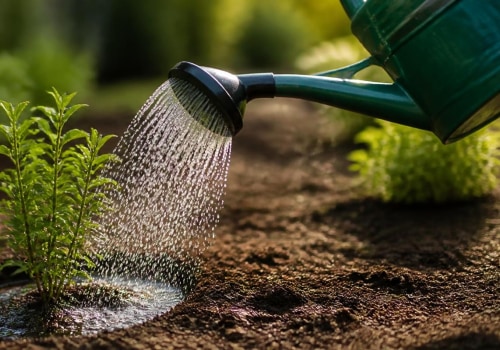
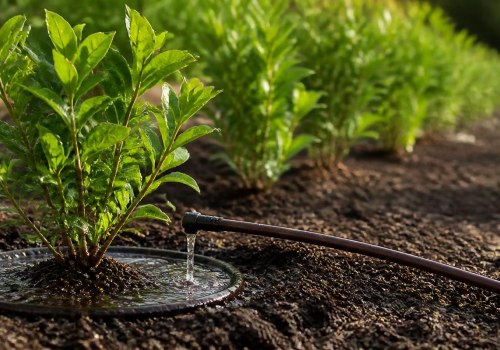
Proper watering is crucial for the health of your pollinator plants. Here are some tips:- Deep Watering: Water deeply but infrequently to encourage deep root growth. This helps plants withstand dry spells.
- Morning Watering: Water in the early morning to reduce evaporation and allow plants to absorb moisture before the heat of the day.
- Mulching: Apply a layer of organic mulch around your plants to retain moisture and suppress weeds, creating a more stable environment for pollinators.
Caring for Pollinator Plants
Regular care for your pollinator plants is essential to keep them healthy and productive.Consider the following:
- Pruning: Remove dead or diseased branches to promote healthy growth. Pruning also encourages flowering, which is vital for attracting pollinators.
- Fertilizing: Use organic fertilizers sparingly. Over-fertilization can lead to excessive foliage at the expense of flowers, reducing nectar availability.
- Diversity: Plant a variety of species that bloom at different times throughout the growing season to provide continuous food sources for pollinators.
Pest Management
Pest management is another critical aspect of maintaining a pollinator-friendly garden. Here are some eco-friendly strategies:- Integrated Pest Management (IPM): Use IPM techniques that focus on prevention and monitoring rather than relying solely on chemical pesticides.
- Natural Predators: Encourage beneficial insects like ladybugs and lacewings that prey on harmful pests.
- Avoid Chemicals: Limit or eliminate the use of synthetic pesticides, as they can harm pollinators directly or contaminate their food sources.
Remember, a little effort goes a long way in fostering a sustainable environment for these vital creatures.
Creating Habitats Beyond Plants
While planting a diverse array of flowers is crucial for attracting pollinators, creating supportive habitats beyond just plants can significantly enhance their presence in your garden. Here are some effective strategies to consider:- Provide Nesting Sites for Bees: Many native bees are solitary and require specific nesting sites. You can create these habitats by:
- Leaving patches of bare soil, as ground-nesting bees prefer undisturbed areas.
- Installing bee hotels made from wood blocks with drilled holes or bundles of hollow stems to attract solitary bees.
- Incorporating dead wood or brush piles, which can serve as natural nesting sites for various bee species.
- Create Water Sources: Pollinators need water just like any other wildlife. Consider adding:
- A shallow birdbath filled with pebbles or stones, allowing bees and butterflies to land safely while drinking.
- A small pond or water feature that can attract a variety of wildlife, including pollinators.
- Support Wildlife in Gardens: A thriving ecosystem supports pollinators.
To encourage wildlife:
- Plant native shrubs and trees that provide food and shelter for birds and beneficial insects.
- Avoid using pesticides and herbicides, which can harm pollinators and disrupt the ecosystem.
- Create a diverse habitat by incorporating different layers of vegetation, such as ground covers, shrubs, and trees, to provide shelter and food sources.
Common Mistakes to Avoid When Planting for Pollinators
When it comes to planting for pollinators, many gardeners inadvertently make mistakes that can hinder their efforts. Here are some common errors to avoid:- Choosing the Wrong Plants: Not all plants attract pollinators equally. Avoid planting species that are not native to your area, as they may not provide the necessary resources for local pollinators.
Instead, focus on native flowering plants that bloom at different times throughout the growing season.
- Neglecting Plant Diversity: A garden with a single type of flower may not support a variety of pollinators. Aim for a diverse selection of plants, including herbs, shrubs, and trees, to create a more inviting habitat.
- Using Pesticides: Chemical pesticides can be harmful to pollinators. Avoid using them altogether or opt for organic alternatives. If you must use pesticides, apply them in the evening when pollinators are less active.
- Overlooking Nesting Sites: Many gardeners focus solely on food sources but forget that pollinators also need safe places to nest.
Incorporate features like bare soil patches, dead wood, or bee hotels to provide shelter for solitary bees and other beneficial insects.
- Ignoring Seasonal Blooms: Planting flowers that bloom only in spring or summer can leave gaps in food availability. Ensure your garden has a continuous bloom cycle by selecting plants that flower at different times throughout the year.
FAQs About Encouraging Pollinators When Planting
When it comes to encouraging pollinators through planting, many gardeners have questions about the best practices and strategies. Here are some frequently asked questions that can help you create a thriving environment for these essential creatures.What types of plants attract pollinators?
To attract a variety of pollinators, consider incorporating the following types of plants:- Nectar-rich flowers: Plants like lavender, sunflowers, and coneflowers are excellent choices.
- Pollen-producing plants: Species such as asters and goldenrod provide vital pollen for bees.
- Diverse blooms: Aim for a mix of annuals and perennials that bloom at different times to ensure a continuous food source.
How can I create a pollinator-friendly garden?
Creating a garden that supports pollinators involves several key strategies:- Avoid pesticides: Chemicals can harm pollinators; opt for organic gardening methods instead.
- Provide shelter: Incorporate native plants, shrubs, and even small water features to offer habitats.
- Plant in clusters: Grouping plants together makes it easier for pollinators to find food sources.
What is the best time to plant for pollinators?
The timing of your planting can significantly impact pollinator activity. Generally, aim to:- Plant in early spring to provide early food sources for emerging bees.
- Include late-blooming plants in your garden to support pollinators into the fall.
Conclusion: The Impact of Thoughtful Planting on Pollinator Populations
In conclusion, the impact of thoughtful planting on pollinator populations cannot be overstated.By implementing the planting tips discussed throughout this article, gardeners and landowners can create environments that not only support but also thrive with diverse pollinator species. To recap, here are some essential strategies to consider:
- Choose native plants: Native flora is adapted to local ecosystems and provides the best resources for native pollinators.
- Diverse plantings: Incorporating a variety of plants that bloom at different times ensures a continuous food source throughout the growing season.
- Avoid pesticides: Reducing or eliminating pesticide use protects pollinators from harmful chemicals that can disrupt their populations.
- Create habitats: Providing nesting sites and shelter, such as leaving bare patches of soil or incorporating brush piles, supports pollinator life cycles.