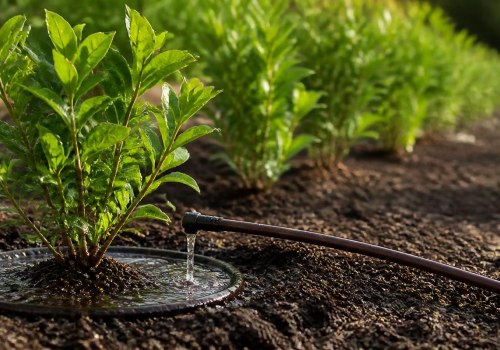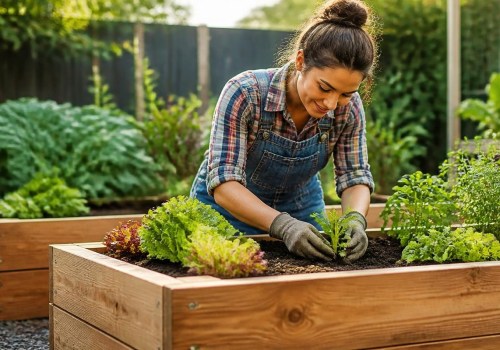
Weeds are often seen as mere nuisances in the garden, but their impact on plant growth can be profound and detrimental. These unwanted plants compete with your cultivated flora for essential resources such as nutrients, water, and light. When weeds invade your garden, they can quickly overshadow young plants, stunting their growth and reducing their overall health. Understanding the nature of weeds is crucial for any gardener looking to cultivate a thriving garden. One of the primary reasons why weeds are harmful is their ability to reproduce rapidly.
Many weeds produce thousands of seeds that can lie dormant in the soil for years, waiting for the right conditions to sprout. This resilience makes them formidable opponents in the battle for garden supremacy. Additionally, certain weeds can harbor pests and diseases that may spread to your plants, further jeopardizing their health. By allowing weeds to flourish, you not only risk the vitality of your plants but also create a more challenging environment for future gardening efforts. To effectively protect your plants from these invasive species, it’s essential to first understand the types of weeds that may threaten your garden.
Some are annuals that complete their life cycle in one season, while others are perennials that return year after year. Each type requires different management strategies to control their growth. By recognizing the specific threats posed by various weeds, you can implement targeted measures that will safeguard your plants and promote a healthier garden ecosystem.
Pre-Planting Strategies to Minimize Weeds
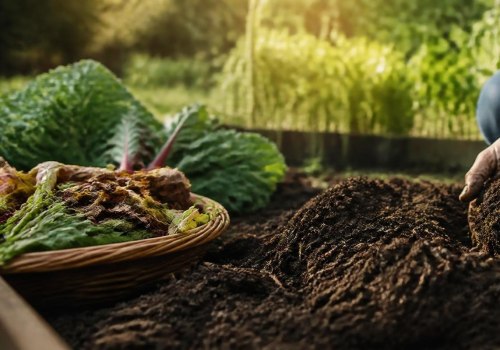
To effectively minimize weed growth, implementing pre-planting strategies is crucial. One of the first steps in this process is thorough soil preparation.This involves removing any existing weeds and their roots from the planting area. You can do this manually or by using a hoe or tiller. Additionally, consider applying a layer of mulch or organic matter to suppress weed seeds and improve soil health.Another effective method is to conduct a soil test. This will help you understand the nutrient levels and pH of your soil, allowing you to amend it appropriately.
Healthy soil promotes vigorous plant growth, which can outcompete weeds for resources.
Choosing the Right Planting Location
- Sunlight: Select a location that receives adequate sunlight for your plants. Weeds thrive in sunny areas, so positioning your plants strategically can help reduce competition.
- Drainage: Ensure the area has good drainage. Waterlogged soil can encourage weed growth and hinder plant development.
- Spacing: When planting, give your plants enough space to grow. Crowded plants can lead to increased competition with weeds.
These materials can block sunlight from reaching weed seeds while allowing water and nutrients to penetrate the soil.Finally, timing is essential. Planting at the right time of year can help your plants establish themselves before weeds become a problem. Early spring or fall are often ideal times for many crops.By incorporating these planting tips, you can create an environment that minimizes weed growth and supports healthy plant development.
Mulching: A Natural Barrier Against Weeds
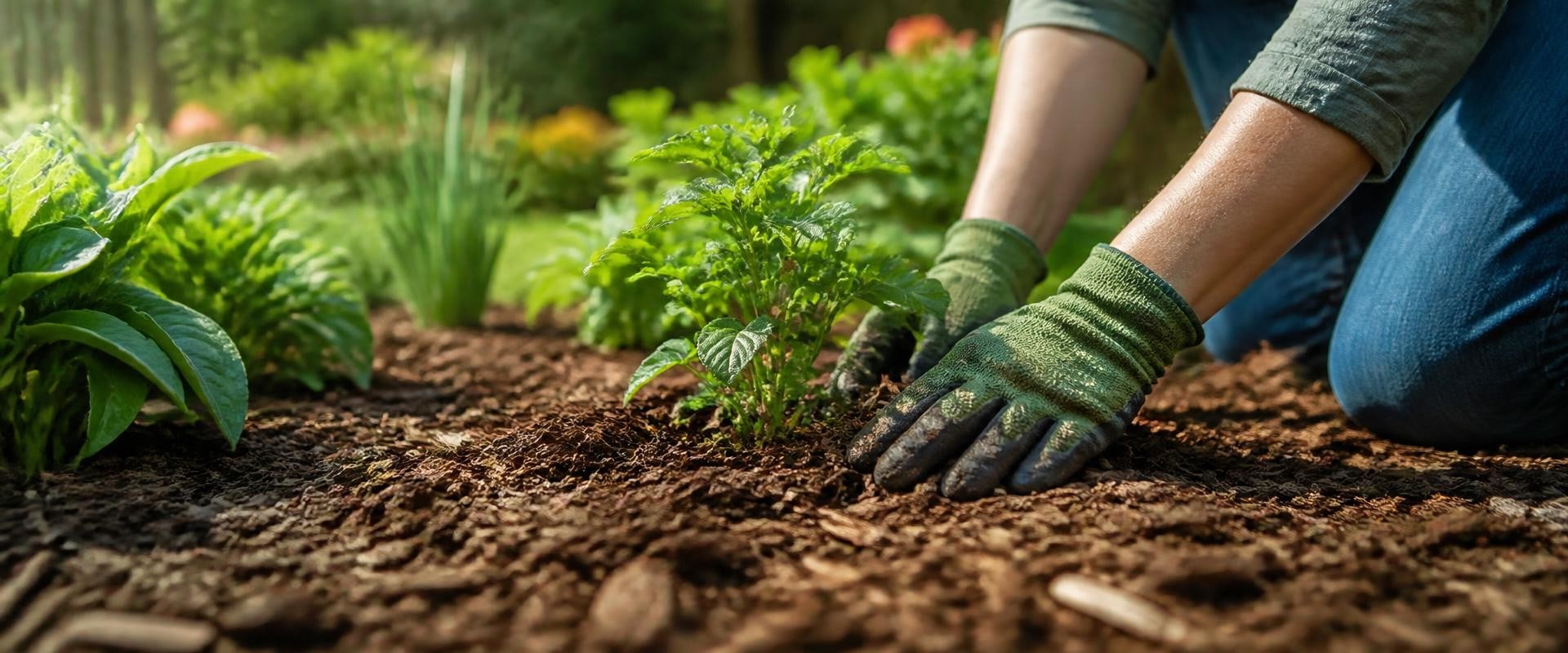
Mulching is one of the most effective planting tips for protecting your plants from weeds. By creating a natural barrier, mulch not only suppresses weed growth but also enhances the overall health of your garden.Benefits of Mulching
- Weed Suppression: A thick layer of mulch blocks sunlight from reaching weed seeds, preventing them from germinating.
- Moisture Retention: Mulch helps retain soil moisture, reducing the need for frequent watering.
- Soil Temperature Regulation: It keeps the soil cooler in summer and warmer in winter, promoting healthy root development.
- Nutrient Enrichment: Organic mulches decompose over time, adding valuable nutrients back into the soil.
Types of Mulch
There are various types of mulch available, each with its own benefits:- Organic Mulch: Includes materials like wood chips, straw, grass clippings, and shredded leaves.
These not only suppress weeds but also improve soil quality as they break down.
- Inorganic Mulch: Comprises materials such as gravel, stones, or landscape fabric. While they do not enrich the soil, they are long-lasting and effective at weed control.
How to Mulch Plants
To effectively apply mulch around your plants, follow these steps:- Prepare the Area: Remove any existing weeds and debris from around the plants.
- Select Your Mulch: Choose a type of mulch that suits your garden's needs and aesthetic preferences.
- Apply Evenly: Spread a layer of mulch 2-4 inches thick around the base of your plants, ensuring it does not touch the stems to prevent rot.
- Maintain Regularly: Check the mulch layer periodically and replenish it as needed to maintain its effectiveness.
Using Landscape Fabric for Weed Control
Using landscape fabric is an effective method for controlling weeds after planting. This permeable material acts as a barrier, allowing water and nutrients to reach your plants while blocking sunlight that weeds need to thrive.Benefits of Landscape Fabric
- Weed Suppression: Landscape fabric significantly reduces weed growth by preventing light from reaching the soil surface.
- Soil Moisture Retention: It helps retain moisture in the soil, reducing the need for frequent watering.
- Temperature Regulation: The fabric can help maintain consistent soil temperatures, promoting healthier plant growth.
- Durability: High-quality landscape fabrics can last several years, providing long-term weed control.
How to Use Landscape Fabric
To effectively use landscape fabric, follow these steps:- Prepare the Area: Clear the planting area of existing weeds and debris. Ensure the soil is level and well-aerated.
- Cut the Fabric: Measure and cut the landscape fabric to fit your garden layout.
Leave openings for your plants.
- Lay the Fabric: Place the fabric over the prepared soil, ensuring it covers all areas where weeds may grow. Secure it with landscape staples or pins.
- Add Mulch: For added protection and aesthetics, cover the fabric with a layer of mulch. This will further suppress weeds and enhance moisture retention.
Maintenance Tips
Regular maintenance is crucial for maximizing the effectiveness of landscape fabric:- Inspect Periodically: Check for any signs of weed growth or damage to the fabric.
- Replace as Needed: If the fabric becomes torn or degraded, replace it promptly to maintain its protective qualities.
- Avoid Soil Compaction: Be cautious when walking on or around the fabric to prevent soil compaction that could hinder water drainage.
Natural Herbicides: Eco-Friendly Options for Weed Management
When it comes to protecting your plants from weeds, using natural herbicides can be an effective and eco-friendly solution. These alternatives to chemical herbicides not only help manage weed growth but also ensure the safety of your garden and the surrounding environment.Here are some popular homemade weed killers that you can easily prepare:- Vinegar Solution: White vinegar contains acetic acid, which can effectively kill weeds.
Mix one part vinegar with one part water and spray directly onto the leaves of the weeds. For tougher weeds, use undiluted vinegar.
- Salt and Water: A mixture of salt and water can also serve as a potent weed killer. Combine 3 parts salt with 1 part water, stir until dissolved, and apply it to the weeds. Be cautious, as this solution can affect the soil quality.
- Baking Soda: This common household item can be sprinkled directly onto the leaves of weeds.
The sodium in baking soda will dehydrate the plants, leading to their demise.
- Corn Gluten Meal: This natural herbicide works by preventing weed seeds from germinating. Spread it on your garden before weeds start to sprout for best results.
Regular Maintenance: Monitoring and Managing Weeds Post-Planting
After planting, regular maintenance becomes crucial in ensuring your plants thrive while effectively managing weeds.Weeds can compete with your plants for nutrients, water, and sunlight, so monitoring their growth is essential.
Weed management tips
should be integrated into your routine. Start by regularly inspecting your garden for any signs of weed growth. Early detection allows for timely interventions, which can prevent weeds from establishing deep roots.- Mulching: Applying a layer of organic mulch around your plants can suppress weed growth while retaining moisture in the soil. Aim for a thickness of 2-3 inches to maximize effectiveness.
- Hand Weeding: Regularly pull out weeds by hand, especially when they are small and before they go to seed.
This method is labor-intensive but very effective in maintaining a weed-free garden.
- Hoeing: Use a hoe to cut weeds at the soil surface. This technique is best done when the soil is dry, as it minimizes the chance of weed seeds taking root.
- Watering Wisely: Water your plants deeply but infrequently to encourage strong root systems while discouraging shallow-rooted weeds.
Companion Planting: Using Plants to Deter Weeds
One effective strategy for protecting your plants from weeds after planting is through companion planting. This gardening technique involves pairing certain plants together to enhance growth, deter pests, and suppress weed growth.By selecting the right companions, you can create a natural barrier against weeds while promoting a healthier garden ecosystem.
Benefits of Companion Planting
- Weed Suppression: Some plants grow densely or have extensive root systems that can outcompete weeds for nutrients and water.
- Pest Deterrence: Certain companion plants can repel harmful insects, reducing the need for chemical pesticides.
- Nutrient Enhancement: Some plants can improve soil quality and nutrient availability, benefiting neighboring plants.
Plants That Deter Weeds
When considering which plants to use for companion planting, look for those known for their ability to suppress weeds. Here are a few examples:
- Clover: This low-growing plant not only fixes nitrogen in the soil but also creates a dense mat that prevents weed growth.
- Marigolds: Known for their pest-repelling properties, marigolds also shade the soil, making it harder for weeds to establish.
- Basil: This aromatic herb can deter certain pests and its broad leaves provide shade that inhibits weed germination.
By carefully selecting companion plants that deter weeds and support each other’s growth, you can cultivate a thriving garden ecosystem.
FAQs About Protecting Plants from Weeds After Planting
When it comes to protecting your plants from weeds after planting, many gardeners have questions. Here are some of the most frequently asked questions regarding weed control:- What are the best methods for controlling weeds?
There are several effective methods for controlling weeds, including:
- Mulching: Applying a layer of organic or inorganic mulch can suppress weed growth by blocking sunlight.
- Hand Weeding: Regularly pulling out weeds by hand can prevent them from establishing roots.
- Using Landscape Fabric: This barrier can help keep weeds at bay while allowing water and nutrients to reach your plants.
- How often should I check for weeds?
It’s advisable to check your garden for weeds at least once a week, especially in the early stages after planting. Early detection makes it easier to manage them.
- Can I use herbicides safely?
If you choose to use herbicides, opt for selective herbicides that target specific weeds without harming your plants. Always follow the manufacturer's instructions carefully.
- What are some natural weed control options?
Natural options include:
- Vinegar: A solution of vinegar can kill young weeds when sprayed directly on them.
- Boiling Water: Pouring boiling water on weeds can effectively eliminate them without chemicals.
Implementing these plant protection tips will help ensure a thriving garden free from unwanted competition.
Conclusion: Key Takeaways for Effective Weed Protection
In conclusion, protecting your plants from weeds after planting is crucial for their health and productivity. By implementing a combination of proactive strategies, you can significantly reduce weed competition and promote robust plant growth.Key Strategies for Weed Protection
- Mulching: Applying a layer of organic or inorganic mulch around your plants not only suppresses weed growth but also helps retain soil moisture and regulate temperature.
- Regular Monitoring: Keep an eye on your garden regularly. Early detection of weeds allows for prompt removal before they establish deep roots.
- Proper Spacing: When planting, ensure adequate spacing between plants. This reduces the likelihood of weeds taking hold and competing for resources.
- Soil Health: Maintaining healthy soil through composting and proper fertilization can enhance plant vigor, making them more resilient against weed pressure.
These products can prevent weed seeds from germinating without harming your established plants. However, always follow the manufacturer's instructions to ensure safety and effectiveness. Ultimately, the key to effective weed protection lies in a combination of these methods tailored to your specific gardening conditions. By being proactive and attentive, you can create a thriving environment for your plants while minimizing the challenges posed by weeds.