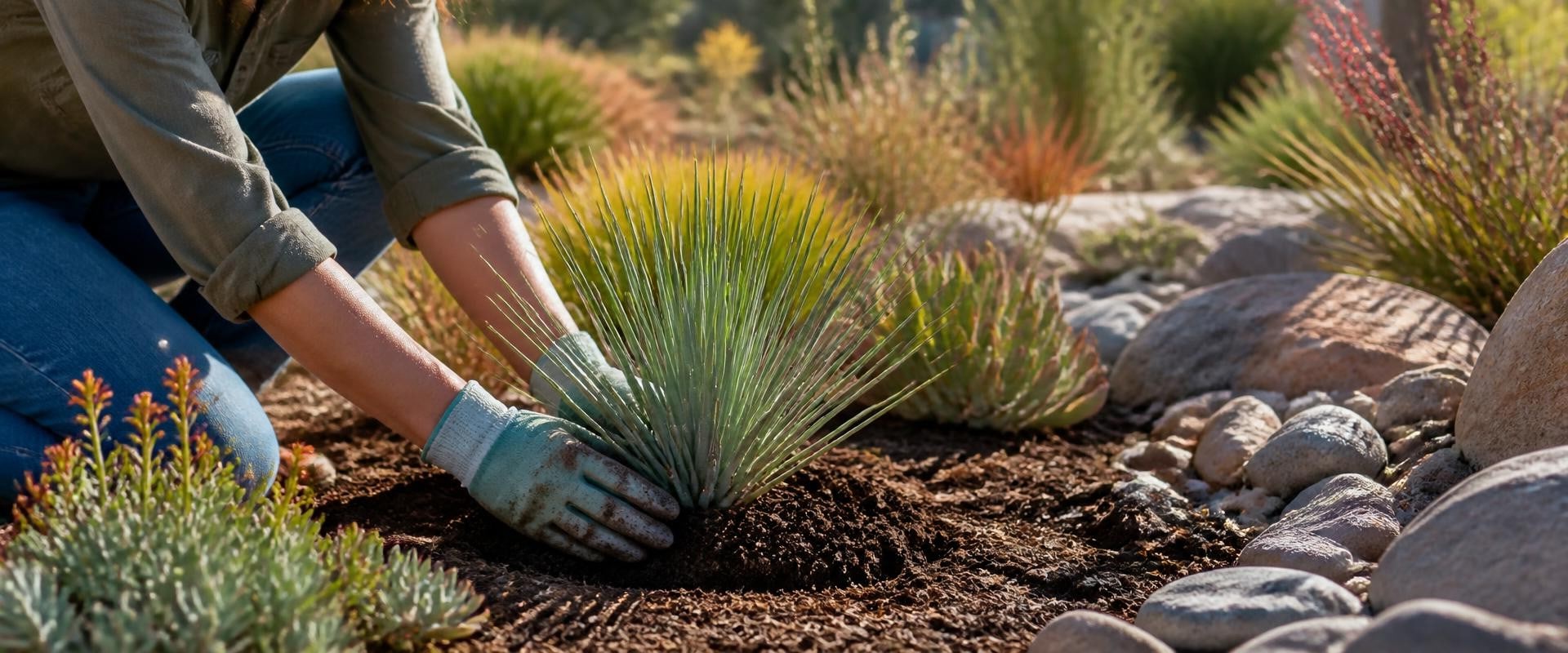
In an era where climate change and water scarcity are becoming increasingly pressing issues, understanding drought-resistant plants is essential for any gardener or landscape enthusiast. These remarkable plants have adapted to thrive in arid conditions, making them a sustainable choice for gardens that require minimal water. By selecting the right species, you can create a vibrant landscape that not only conserves water but also supports local ecosystems. The benefits of incorporating drought-resistant plants into your garden extend beyond just water conservation. These plants often require less maintenance, are more resilient to pests and diseases, and can enhance the aesthetic appeal of your outdoor space.
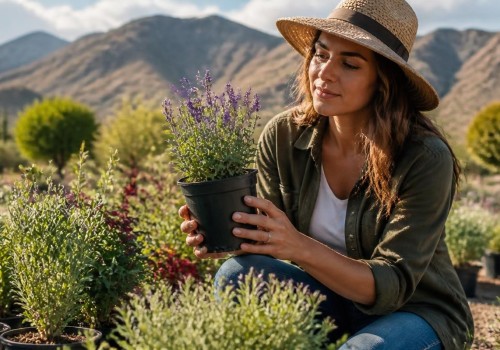
Additionally, they contribute to biodiversity by providing habitats for various wildlife, including pollinators like bees and butterflies. This makes them an excellent choice for environmentally conscious gardeners looking to make a positive impact. There are numerous types of drought-resistant plants to consider, ranging from succulents and cacti to native grasses and flowering perennials. For instance, plants like lavender and sedum not only withstand dry conditions but also add color and texture to your garden. Understanding the specific needs and characteristics of these plants will help you make informed decisions when planning your garden layout.
As we delve deeper into effective planting tips, you'll discover how to maximize the potential of these hardy species while ensuring a thriving garden that stands the test of time.
Choosing the Right Location for Planting
Choosing the right location for planting drought-resistant plants is essential for their survival and growth. The ideal spot will not only support the plants' needs but also enhance their resilience against dry conditions.Assessing Sunlight Requirements
Drought-resistant plants typically thrive in full sun, which means they require at least 6 to 8 hours of direct sunlight each day. Before planting, observe your garden throughout the day to identify areas that receive adequate sunlight. Consider the following:- Morning Sun: Morning sunlight is less intense and helps to dry dew quickly, reducing the risk of fungal diseases.
- Afternoon Sun: While many drought-tolerant plants can handle the heat of afternoon sun, ensure they have enough moisture in the soil to withstand higher temperatures.
Evaluating Soil Type
The type of soil in your chosen location plays a significant role in the health of your drought-resistant plants.Well-draining soil is crucial as it prevents water from pooling around the roots. Here are some tips for evaluating soil:
- Sandy Soil: This type drains quickly and is often ideal for drought-tolerant plants, but it may require regular amendments to retain nutrients.
- Clay Soil: While clay retains moisture, it can become compacted. If you have clay soil, consider amending it with organic matter to improve drainage.
Ensuring Proper Drainage
Good drainage is vital for preventing root rot and other moisture-related issues. To ensure proper drainage in your planting area:- Test Drainage: Dig a hole about 12 inches deep and fill it with water.
If it drains within a few hours, you have good drainage; if not, you may need to amend the soil or choose a different location.
- Elevate Planting Beds: Creating raised beds can improve drainage and provide better conditions for drought-resistant plants.
Soil Preparation Techniques
Preparing the soil effectively is crucial for the success of drought-resistant plants. By enhancing soil quality and moisture retention, you can create an optimal environment for these resilient species to thrive.Soil Amendments
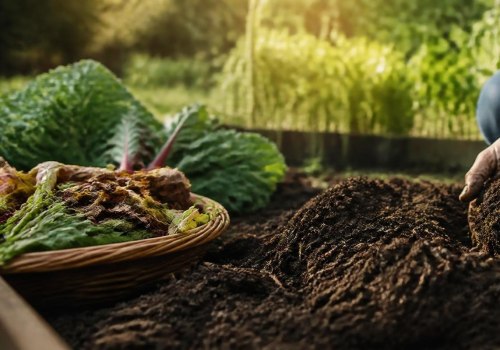
- Organic Matter: Incorporating organic matter such as compost or well-rotted manure can significantly improve soil structure. This addition not only enhances nutrient availability but also increases the soil's ability to retain moisture.
- Mulching: Applying a layer of mulch around your plants helps reduce evaporation and keeps the soil temperature stable. Organic mulches, like wood chips or straw, also break down over time, further enriching the soil.
- Gypsum: If your soil is heavy clay, adding gypsum can help improve drainage and aeration.
This is particularly beneficial for drought-resistant plants that prefer well-drained conditions.
Improving Soil Quality
- Testing Soil pH: Before planting, conduct a soil test to determine its pH level. Most drought-resistant plants thrive in slightly acidic to neutral soils (pH 6.0 to 7.0). Adjusting the pH with lime or sulfur can optimize nutrient availability.
- Soil Aeration: Aerating the soil can improve root penetration and water absorption. Use a garden fork or aerator to create small holes in compacted areas, allowing air and moisture to reach plant roots more effectively.
- Cover Crops: Planting cover crops during the off-season can enhance soil structure and fertility.
Leguminous cover crops, such as clover or vetch, fix nitrogen in the soil, benefiting subsequent drought-resistant plantings.
Watering Strategies for Drought Conditions
When it comes to watering strategies for drought-resistant plants, understanding the unique needs of these plants is crucial. Here are some effective watering tips and methods to ensure your plants thrive even in challenging conditions.Irrigation Methods
- Drip Irrigation: This method delivers water directly to the roots of the plants, minimizing evaporation and runoff. It’s highly efficient and ideal for drought conditions.
- Soaker Hoses: Similar to drip irrigation, soaker hoses allow water to seep out slowly along their length, providing consistent moisture to the soil.
- Rainwater Harvesting: Collecting rainwater in barrels can provide a sustainable source of water for your garden. This method not only conserves water but also reduces your utility bills.
Watering Schedule
Establishing an optimal watering schedule is essential for maintaining healthy drought-resistant plants.Here are some guidelines:
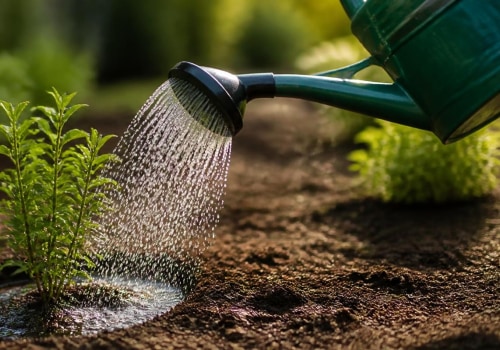
- Water Deeply but Infrequently: Aim to water your plants deeply once or twice a week rather than daily. This encourages deep root growth and helps plants become more resilient.
- Time Your Watering: Water early in the morning or late in the evening to reduce evaporation losses. Avoid watering during the hottest part of the day.
- Monitor Soil Moisture: Use a moisture meter or simply check the soil with your finger. If the top inch of soil is dry, it’s time to water.
Remember, the goal is to create a sustainable watering routine that supports plant health without wasting precious water.
Companion Planting with Drought-Resistant Species
Companion planting is a gardening technique that involves growing different plants in proximity for mutual benefit. When it comes to drought-resistant plants, this method can significantly enhance their growth and resilience, making your garden not only more sustainable but also more productive.Benefits of Companion Planting
- Improved Soil Health: Certain plants can enhance soil structure and nutrient availability, which is crucial for drought-resistant species.
- Pest Control: Some companion plants naturally repel pests, reducing the need for chemical interventions.
- Microclimate Creation: Taller plants can provide shade for smaller, more vulnerable species, helping them conserve moisture.
Best Companion Plants for Drought-Resistant Species
- Lavender: This aromatic herb not only attracts pollinators but also repels pests like moths and fleas. It pairs well with drought-tolerant vegetables such as tomatoes.
- Sage: Known for its culinary uses, sage thrives in dry conditions and can help deter harmful insects when planted alongside other drought-resistant herbs.
- Marigolds: These vibrant flowers are excellent companions for many vegetables. They attract beneficial insects while deterring nematodes and other pests.
- Thyme: This low-growing herb is perfect for ground cover, helping to retain soil moisture while providing a habitat for beneficial insects.
By strategically pairing drought-resistant plants with compatible companions, you can create a thriving ecosystem that minimizes water usage while maximizing growth potential.
Mulching Techniques to Retain Moisture
Mulching is a crucial technique for gardeners looking to retain soil moisture, especially when cultivating drought-resistant plants. By applying a layer of mulch, you can significantly reduce evaporation and keep the soil temperature stable, which is essential for plant health.Benefits of Mulching
- Moisture Retention: Mulch acts as a barrier that slows down water evaporation from the soil surface, ensuring that your plants have access to the moisture they need.
- Weed Suppression: A thick layer of mulch can prevent weed growth, which competes with your plants for water and nutrients.
- Soil Temperature Regulation: Mulch helps maintain a consistent soil temperature, protecting roots from extreme heat or cold.
- Organic Matter Addition: Organic mulches break down over time, enriching the soil with nutrients and improving its structure.
Types of Mulch
- Organic Mulch: Materials such as wood chips, straw, grass clippings, and shredded leaves decompose over time, adding nutrients to the soil.
- Inorganic Mulch: Options like gravel, stones, or landscape fabric do not decompose and are ideal for long-term use but do not contribute nutrients.
- Bark Mulch: This type is aesthetically pleasing and effective at moisture retention while also suppressing weeds.
How to Mulch Effectively
- Choose the Right Material: Select a mulch type that suits your garden's aesthetic and functional needs.
- Apply at the Right Depth: Aim for a layer of 2-4 inches of mulch around your plants. Too little won’t be effective, while too much can suffocate roots.
- Avoid Contact with Plant Stems: Keep mulch a few inches away from plant stems to prevent rot and pest issues.
- Replenish Regularly: Organic mulches will break down over time; replenish them as needed to maintain effectiveness.
Common Mistakes to Avoid When Planting Drought-Resistant Plants
When it comes to planting drought-resistant plants, avoiding common mistakes can significantly enhance your garden's resilience and beauty. Here are some pitfalls to watch out for:- Overwatering: One of the most frequent mistakes is overwatering.
Drought-resistant plants thrive in dry conditions, so it's crucial to allow the soil to dry out between watering sessions. A good rule of thumb is to check the top inch of soil; if it's dry, it's time to water.
- Choosing the Wrong Location: Not all drought-resistant plants are suited for every location. Ensure you select a spot that receives adequate sunlight and has well-draining soil. Avoid areas where water tends to pool after rain.
- Ignoring Soil Quality: While drought-resistant plants can tolerate poor soil, they still benefit from good drainage and organic matter.
Amend your soil with compost or other organic materials to improve its structure and nutrient content.
- Planting Too Deep: Another common mistake is planting too deep. Drought-resistant plants should be planted at the same depth they were in their nursery pots. Planting too deep can suffocate roots and hinder growth.
- Neglecting Mulch: Failing to apply mulch can lead to increased evaporation and weed growth. A layer of organic mulch helps retain moisture in the soil and keeps roots cool during hot weather.
FAQs About Planting Drought-Resistant Plants
When considering drought-resistant plants, many gardeners have questions about their care and maintenance.Here are some frequently asked questions that can help clarify common concerns:
What are drought-resistant plants?
Drought-resistant plants are species that have adapted to survive with minimal water. They typically have deep root systems, thick leaves, or other features that allow them to conserve moisture.How do I choose the right drought-resistant plants for my garden?
When selecting drought-resistant plants, consider your local climate, soil type, and the amount of sunlight your garden receives. Native plants are often a great choice as they are already adapted to your region's conditions.How often should I water drought-resistant plants?
While drought-resistant plants require less water than traditional plants, they still need some moisture, especially during their establishment phase. Water them deeply but infrequently, allowing the soil to dry out between watering sessions.Do I need to amend the soil for drought-resistant plants?
Improving soil drainage can benefit drought-resistant plants.Adding organic matter like compost can enhance soil structure and moisture retention without making it overly saturated.
Can I grow drought-resistant plants in containers?
Yes! Many drought-resistant plants thrive in containers. Just ensure that the pots have adequate drainage holes and use a well-draining potting mix.What are some common pests or diseases affecting drought-resistant plants?
Drought-resistant plants can still be susceptible to pests like aphids or spider mites. Regularly inspect your plants and use organic pest control methods when necessary.By addressing these common questions, you can feel more confident in your ability to successfully cultivate a thriving garden filled with drought-resistant plants.Conclusion: Key Takeaways for Successful Planting
In summary, successfully planting drought-resistant plants requires a combination of careful planning and execution. By following the planting tips outlined in this article, you can create a resilient garden that thrives even in challenging conditions.Key takeaways include:- Choose the Right Plants: Select native or adapted species that are naturally suited to your climate and soil conditions.
This ensures they will require less water and maintenance.
- Soil Preparation: Enhance soil quality by incorporating organic matter, which improves drainage and moisture retention. A well-prepared soil bed is crucial for the health of your plants.
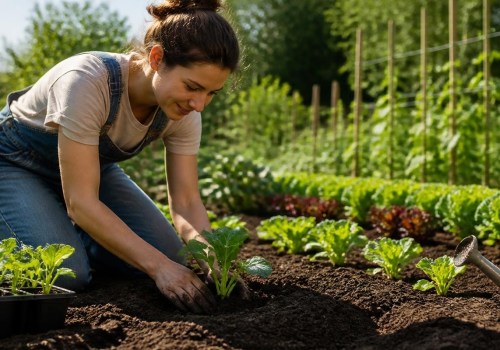
- Proper Planting Techniques: Dig holes that are wide and shallow to encourage root expansion. Avoid planting too deep, as this can hinder growth.
- Watering Wisely: Implement deep watering techniques to encourage roots to grow deeper into the soil. Water early in the morning or late in the evening to minimize evaporation.
- Mulching: Apply a layer of mulch around your plants to retain moisture, suppress weeds, and regulate soil temperature.
- Regular Maintenance: Monitor your plants for signs of stress or disease.
Pruning and removing dead foliage can help maintain plant health.