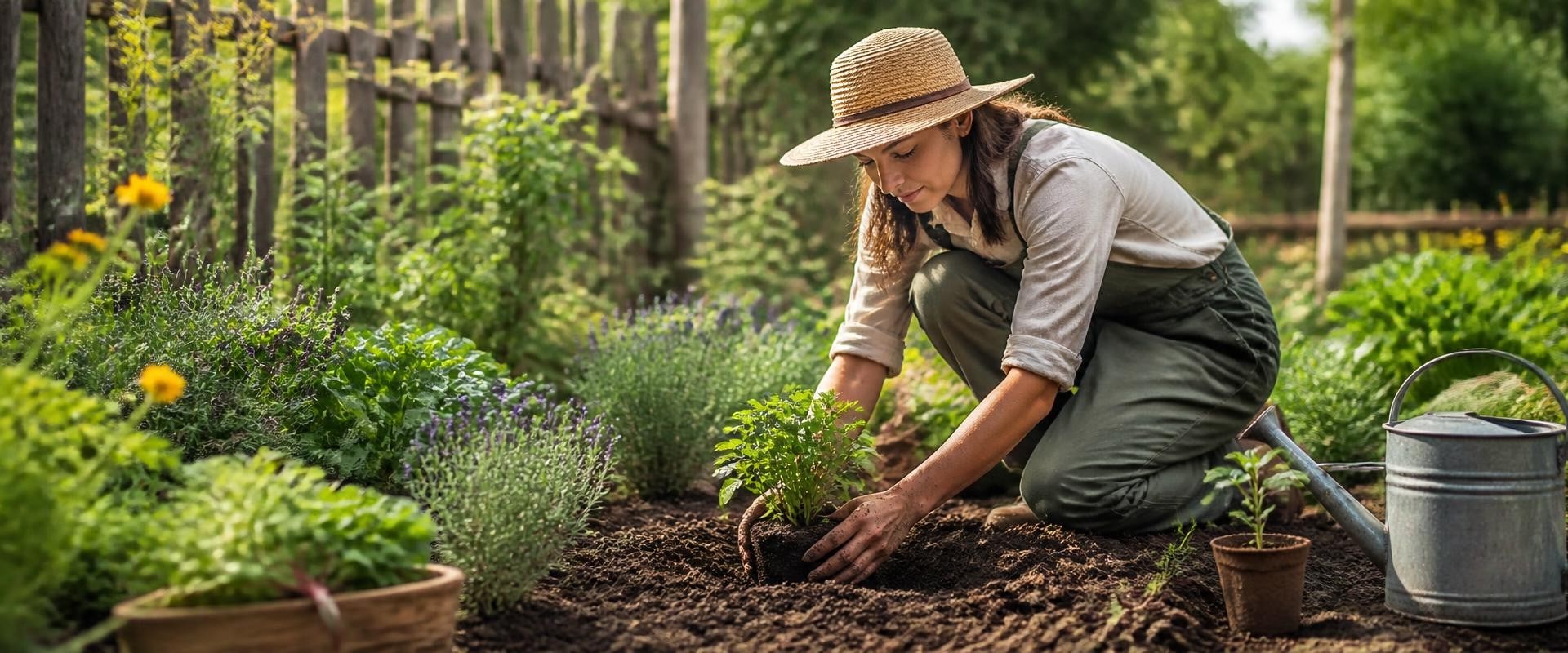
Sustainable gardening is more than just a trend; it represents a profound shift in how we interact with our environment. At its core, sustainable gardening emphasizes practices that promote ecological balance, conserve resources, and enhance biodiversity. By adopting these principles, gardeners can create spaces that not only yield beautiful plants but also contribute positively to the planet. The benefits of sustainable gardening are manifold. Not only does it reduce the reliance on chemical fertilizers and pesticides, which can harm local ecosystems, but it also encourages the use of native plants that require less water and maintenance.
This approach fosters a healthier soil ecosystem, supports local wildlife, and can even mitigate climate change by sequestering carbon. As we face increasing environmental challenges, understanding what sustainable gardening entails becomes crucial for anyone looking to make a positive impact. In this article, we will explore essential planting tips that align with sustainable practices. These tips will guide you in creating a garden that thrives while respecting the natural world. Whether you are a seasoned gardener or just starting out, implementing these strategies will not only enhance your gardening experience but also contribute to a more sustainable future.
Choosing the Right Plants for Your Garden
When it comes to creating a sustainable garden, choosing the right plants is crucial.Selecting species that are well-suited to your local environment not only enhances the beauty of your garden but also promotes biodiversity and reduces maintenance efforts.
Best Plants for a Sustainable Garden
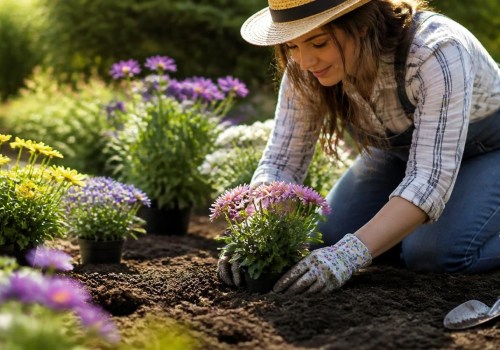
To start, consider incorporating native plants. These species have evolved to thrive in your region's specific climate and soil conditions, making them more resilient to pests and diseases. Additionally, native plants require less water and fertilizer compared to non-native varieties, which contributes to a more sustainable gardening practice.- Examples of Native Plants:
- Black-eyed Susan (Rudbeckia hirta)
- Butterfly Weed (Asclepias tuberosa)
- Eastern Redbud (Cercis canadensis)
Drought-Resistant Plants
In addition to native species, consider adding drought-resistant plants to your garden. These plants are adapted to survive in low-water conditions, making them ideal for regions prone to drought or for gardeners looking to conserve water.- Popular Drought-Resistant Options:
- Sedum (Sedum spp.)
- Lavender (Lavandula spp.)
- Aloe Vera (Aloe barbadensis miller)
Not only will this approach benefit the environment, but it will also provide a beautiful landscape that supports local wildlife and pollinators.
Soil Preparation and Health
Soil health is the foundation of a successful sustainable garden. Proper soil preparation not only enhances plant growth but also contributes to the overall ecosystem. Here are some essential tips for preparing your soil and maintaining its health:- Test Your Soil: Before planting, conduct a soil test to determine pH levels and nutrient content. This will help you understand what amendments are necessary for optimal plant growth.
- Amend with Organic Matter: Incorporate organic materials such as well-rotted manure, leaf mold, or compost into your soil.
This improves soil structure, enhances moisture retention, and provides essential nutrients.
- Practice Crop Rotation: Rotate your crops each season to prevent nutrient depletion and reduce pest and disease buildup in the soil.
Composting Techniques
Composting is a vital practice for enriching your garden soil sustainably. Here are some effective composting techniques:- Browns and Greens: Balance carbon-rich materials (browns) like dried leaves and straw with nitrogen-rich materials (greens) such as kitchen scraps and grass clippings.
- Aeration: Turn your compost pile regularly to introduce oxygen, which speeds up the decomposition process and prevents unpleasant odors.
- Moisture Control: Keep your compost pile moist but not soggy. A well-maintained moisture level helps microorganisms thrive, breaking down organic matter efficiently.
Watering Wisely: Techniques for Sustainability
Watering your garden efficiently is crucial for sustainability, especially in an era where water conservation is more important than ever.Here are some effective watering techniques and irrigation systems that can help you maintain a thriving garden while minimizing water usage.
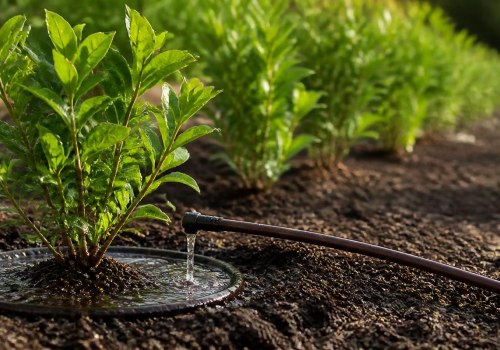
- Drip Irrigation: This method delivers water directly to the roots of plants through a network of tubing and emitters. It reduces evaporation and runoff, making it one of the most efficient watering methods.
- Soaker Hoses: Similar to drip irrigation, soaker hoses allow water to seep out slowly along their length. They are ideal for garden beds and can be covered with mulch to further reduce evaporation.
- Rainwater Harvesting: Collecting rainwater in barrels or cisterns can provide a sustainable source of irrigation. This method not only conserves municipal water but also helps reduce stormwater runoff.
- Mulching: Applying a layer of organic mulch around your plants helps retain soil moisture, reducing the need for frequent watering.
It also suppresses weeds and improves soil health.
- Timing Your Watering: Watering early in the morning or late in the evening minimizes evaporation losses. Avoid watering during the hottest part of the day to ensure that more water reaches your plants.
- Soil Moisture Sensors: Investing in soil moisture sensors can help you determine when your garden truly needs water. This technology prevents overwatering and ensures that plants receive adequate moisture without waste.
Pest Management in a Sustainable Garden
Managing pests in a sustainable garden is crucial for maintaining a healthy ecosystem.By utilizing organic pest control methods, gardeners can effectively reduce pest populations without harming beneficial insects or the environment.One effective approach is to introduce natural predators into your garden. For example, ladybugs and lacewings are known to feast on aphids, while parasitic wasps can help control caterpillar populations. By fostering a habitat that attracts these beneficial insects, you can create a balanced ecosystem that naturally keeps pests in check.Another strategy is to use companion planting. This involves planting certain crops together to enhance growth and deter pests.
For instance, marigolds are often planted alongside vegetables because they emit a scent that repels nematodes and other harmful insects. Similarly, planting basil near tomatoes can help ward off tomato hornworms while enhancing the flavor of the tomatoes.
- Garlic: Known for its strong odor, garlic can deter a variety of pests when planted near susceptible crops.
- Nasturtiums: These flowers attract aphids away from other plants, serving as a trap crop.
- Chives: Their pungent smell can repel aphids and other harmful insects.
Healthy plants are less susceptible to infestations, making natural pest management an integral part of sustainable gardening.
Seasonal Planting Tips for Optimal Growth
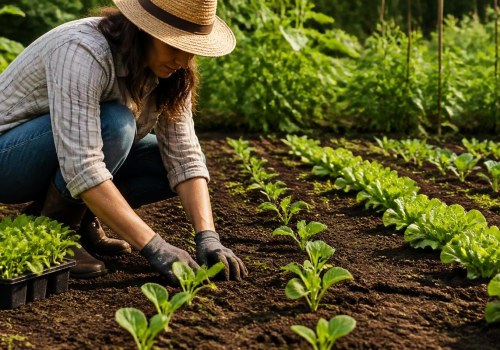
Understanding the seasonal planting tips is crucial for achieving a thriving garden. Each season offers unique opportunities for planting various crops and flowers, ensuring optimal growth and yield.Spring Planting: As the frost begins to thaw, spring is the perfect time to plant cool-season vegetables. Consider sowing seeds for peas, lettuce, and radishes in early spring. These crops thrive in cooler temperatures and can be harvested before the heat of summer sets in.Summer Planting: Once the danger of frost has passed, summer is ideal for planting warm-season vegetables.This includes tomatoes, peppers, and cucumbers. Aim to plant these crops after the last frost date, typically between late May and early June, depending on your region.Fall Planting: Fall is an excellent time for planting certain vegetables that can withstand cooler temperatures. Consider sowing kale, broccoli, and carrots. These crops can be planted in late summer to early fall, allowing them to mature as temperatures drop.Winter Gardening: While many gardeners take a break during winter, it’s possible to prepare for the next growing season.
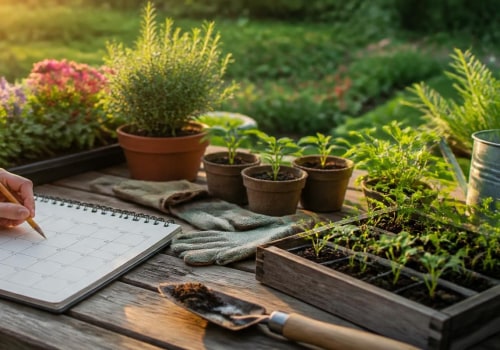
Use this time to plan your garden layout and order seeds. In milder climates, consider planting garlic or onions in late winter for an early spring harvest.General Tips:
- Know Your Zone: Familiarize yourself with your USDA hardiness zone to determine the best planting times for your area.
- Soil Preparation: Always prepare your soil ahead of planting by testing its pH and nutrient levels.
- Diversity is Key: Incorporate a variety of plants to promote biodiversity and resilience in your garden.
Maintaining Your Sustainable Garden
Maintaining a sustainable garden requires ongoing attention and care to ensure that it thrives over the long term. Here are some essential garden maintenance tips that can help you achieve a flourishing and eco-friendly garden.- Regular Watering: Water your plants early in the morning or late in the afternoon to minimize evaporation. Consider using a drip irrigation system to deliver water directly to the roots, which conserves water and reduces waste.
- Mulching: Apply a layer of organic mulch around your plants.
This helps retain moisture, suppress weeds, and improve soil quality as it breaks down over time.
- Soil Health: Regularly test your soil to monitor its pH and nutrient levels. Amend your soil with organic compost or well-rotted manure to enhance its fertility and structure.
- Pest Management: Implement integrated pest management (IPM) strategies. Encourage beneficial insects like ladybugs and lacewings, which can help control pest populations naturally.
- Crop Rotation: Practice crop rotation each season to prevent soil depletion and reduce the risk of pests and diseases. This technique helps maintain soil health and promotes biodiversity.
- Pruning and Deadheading: Regularly prune your plants to encourage healthy growth and remove any dead or diseased foliage.
Deadheading flowers can promote further blooming and prevent unwanted seed spread.
- Seasonal Clean-Up: At the end of each growing season, clean up debris such as fallen leaves and spent plants. This helps prevent disease and prepares your garden for the next planting cycle.
FAQs About Sustainable Gardening Practices
When starting a sustainable garden, many beginners have questions about the best practices to follow. Here are some frequently asked questions that can help guide you on your journey:What are the key principles of sustainable gardening?
Sustainable gardening focuses on practices that promote environmental health and biodiversity.Key principles include:
- Soil health: Use organic matter and compost to enrich the soil.
- Diversity: Plant a variety of species to create a balanced ecosystem.
- Water conservation: Implement rainwater harvesting and drip irrigation systems.
- Pest management: Utilize natural predators and organic pest control methods.
How can I start a sustainable garden as a beginner?
If you're new to sustainable gardening, consider these tips:- Choose native plants: They require less water and are more resilient to local pests.
- Plan your garden layout: Group plants with similar water and sunlight needs together.
- Practice crop rotation: This helps prevent soil depletion and reduces pest buildup.
- Compost kitchen scraps: This reduces waste and provides nutrient-rich soil amendments.
What are some common mistakes to avoid in sustainable gardening?
Avoid these pitfalls to ensure your garden thrives:- Overwatering: This can lead to root rot and other issues; always check soil moisture first.
- Neglecting soil health: Healthy soil is the foundation of a successful garden; invest time in improving it.
- Ignoring local climate: Choose plants that are suited for your specific climate zone.