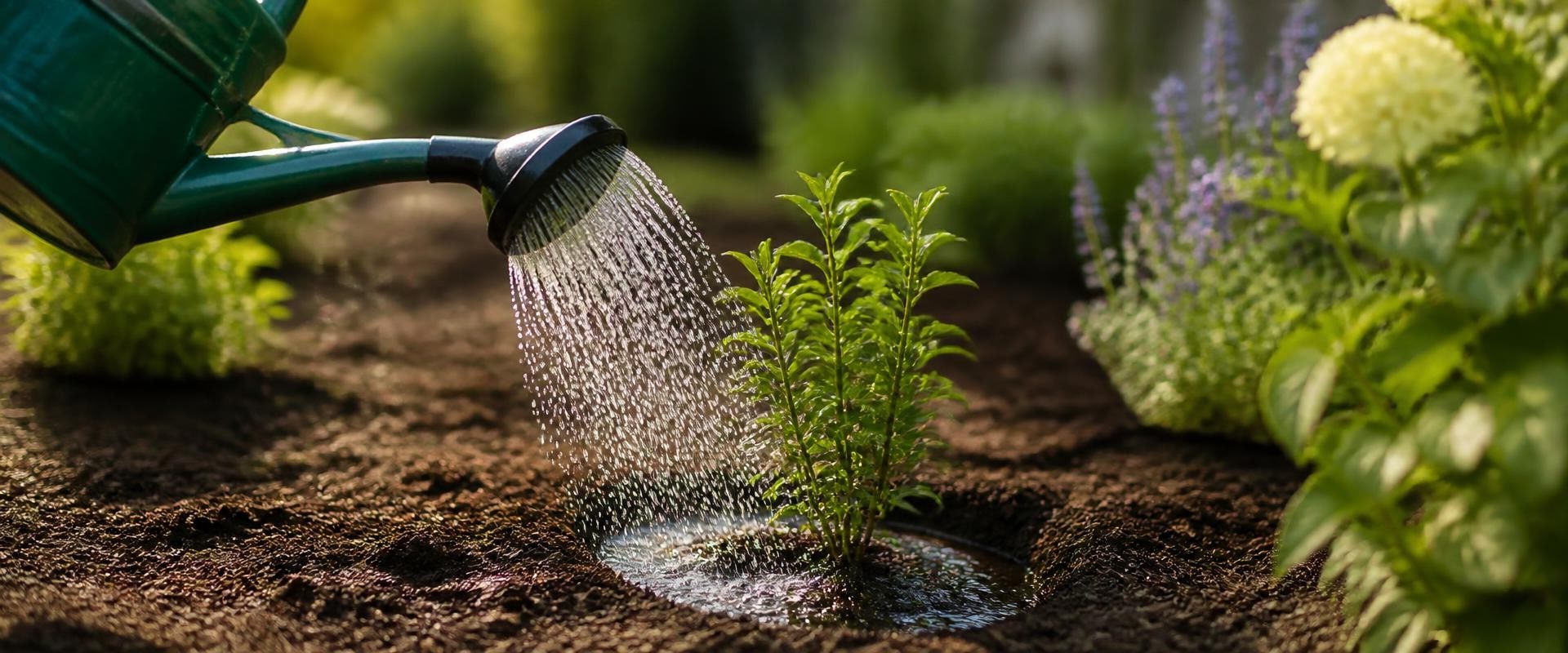
When it comes to plant care tips, understanding the significance of watering after planting is paramount. Proper watering is not just a routine task; it is a critical factor that can determine the success or failure of your newly planted seeds or seedlings. After planting, the soil needs to be adequately moist to facilitate root establishment and promote healthy growth. Without sufficient water, plants may struggle to absorb essential nutrients, leading to stunted growth or even death. Moreover, the importance of watering extends beyond just hydration.
It plays a vital role in helping the soil settle around the roots, eliminating air pockets that can hinder root development. This initial watering phase is crucial as it sets the foundation for your plants' future health. Understanding how much and how often to water can make all the difference in ensuring that your garden thrives. In this section, we will delve deeper into the nuances of watering after planting, exploring best practices and common pitfalls to avoid. By grasping these concepts, you will be better equipped to nurture your plants effectively and enjoy a flourishing garden.
Factors Influencing Watering Frequency
When it comes to watering frequency after planting, several key factors come into play that can significantly influence how often you should hydrate your new plants.Soil Type
The type of soil in which your plants are placed is one of the most critical factors affecting watering frequency.Different soils have varying capacities for retaining moisture:
- Sandy soils drain quickly and may require more frequent watering.
- Clay soils retain water longer, meaning you might need to water less often.
- Silty soils offer a balance, holding moisture well while still allowing for drainage.
Climate Conditions
The climate in your area also plays a significant role in determining how often you should water:- Hot and dry climates will necessitate more frequent watering to prevent plants from drying out.
- Humid climates may require less frequent watering due to higher moisture levels in the air.
- Seasonal changes, such as rainfall patterns, can also affect your watering schedule.
Plant Type
Different plants have unique water requirements based on their species and growth stage:- Drought-tolerant plants, such as succulents, need less frequent watering compared to more moisture-loving varieties.
- Newly planted seedlings typically require more consistent moisture to establish their roots effectively.
- Mature plants, depending on their type, may have varying needs; some may thrive with less water once established.
General Guidelines for Watering Newly Planted Seeds and Seedlings
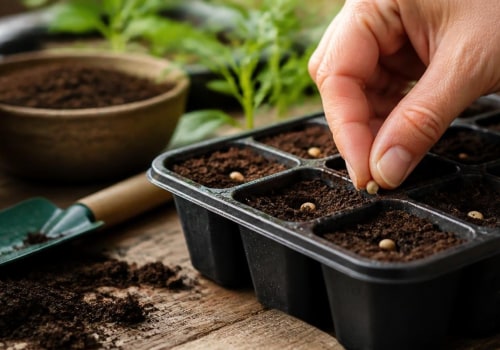
When it comes to watering newly planted seeds and seedlings, understanding the right frequency and amount is crucial for their successful establishment. Newly planted seeds and seedlings require consistent moisture to promote germination and healthy growth.Watering Guidelines for Seeds:
- Initial Watering: After planting seeds, water the area thoroughly to ensure that the soil is evenly moist. This initial watering helps to settle the soil around the seeds.
- Frequency: For most seeds, you should water daily or every other day, depending on the weather conditions.
If it’s particularly hot or windy, you may need to water more frequently.
- Soil Check: Always check the top inch of soil; if it feels dry, it’s time to water again. Avoid overwatering, as this can lead to seed rot.
Watering Guidelines for Seedlings:
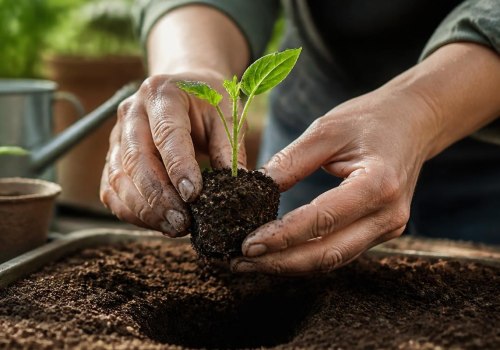
- Establishment Phase: Newly emerged seedlings need consistent moisture but should not be waterlogged. Water them every 2-3 days, allowing the top layer of soil to dry out slightly between waterings.
- Signs of Underwatering: If seedlings appear droopy or wilted, they may need more water. Conversely, yellowing leaves can indicate overwatering.
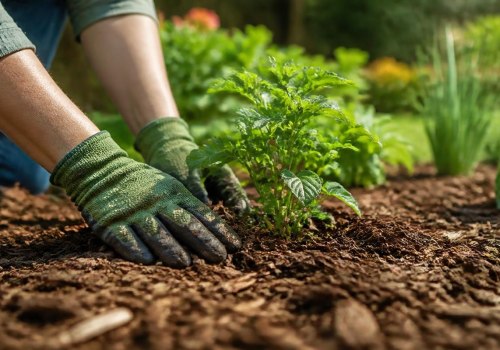
- Mulching: Applying a layer of mulch around seedlings can help retain moisture and reduce the frequency of watering.
New Plant Care:
The first few weeks after planting are critical for both seeds and seedlings.
During this period, monitor moisture levels closely and adjust your watering schedule based on rainfall and temperature. Remember that consistent moisture is key to helping your plants establish strong roots and thrive in their new environment.
Watering Established Plants: Adjusting Your Routine
Once your plants are established, their watering needs will change as they develop deeper root systems. Understanding how to adjust your watering schedule is crucial for promoting healthy growth and preventing overwatering or underwatering.Assessing Soil Moisture
- Check the top inch of soil; if it feels dry, it’s time to water.
- Use a moisture meter for more precise readings, especially in larger gardens.
Watering Frequency by Growth Stage
- Seedlings: Water daily or every other day, ensuring the soil remains consistently moist.
- Young Plants: Gradually reduce frequency to every 3-4 days as roots begin to establish.
- Established Plants: Water once a week or less, depending on rainfall and temperature.
Factors such as temperature, humidity, and plant type can influence how often you need to water. For instance, heatwaves may necessitate more frequent watering even for established plants.
Signs of Overwatering and Underwatering
- Overwatering: Yellowing leaves, wilting despite wet soil, and root rot.
- Underwatering: Brown leaf tips, drooping leaves, and dry soil.
Signs Your Plants Need Water: How to Tell When to Water
Understanding the signs your plants need water is crucial for maintaining their health and vitality. Overwatering and underwatering can both lead to serious issues, so being able to identify when your plants are thirsty is essential.Signs of Underwatering
One of the most common indicators that your plants need water is wilting.When plants are underwatered, their leaves may droop or curl, losing their firmness. Additionally, you might notice:
- Dry soil: If the top inch of soil feels dry to the touch, it’s a clear sign that your plant needs hydration.
- Leaf discoloration: Yellowing leaves can indicate stress from lack of water.
- Crispy leaf edges: If the edges of the leaves appear brown and crispy, this is often a sign of dehydration.
Plant Wilting Signs
Wilting is a direct response to insufficient water. When plants lack moisture, they cannot maintain turgor pressure, leading to a limp appearance. To assess wilting:- Observe leaf position: Healthy leaves typically stand upright; wilting leaves will droop.
- Check for softness: Gently squeeze the leaves; if they feel soft and pliable, they may be underwatered.
Checking Soil Moisture
The best way to determine if your plants need water is by checking the soil moisture.Here are some effective methods:
- The finger test: Insert your finger into the soil up to the second knuckle. If it feels dry, it’s time to water.
- Soil moisture meter: For more accuracy, consider using a soil moisture meter that provides a reading of moisture levels.
- Weight test: Lift the pot; if it feels significantly lighter than when it was watered, it likely needs hydration.
Common Mistakes in Watering After Planting
Watering after planting is crucial for the establishment of your plants, but many gardeners make common mistakes that can hinder their growth. Understanding these pitfalls can help you ensure your plants thrive.- Overwatering: One of the most frequent mistakes is overwatering.
While it may seem beneficial to provide ample water, too much can suffocate roots and lead to root rot. Always check the soil moisture before watering; if the top inch feels dry, it’s time to water.
- Underwatering: Conversely, underwatering can also be detrimental. Newly planted seedlings require consistent moisture to develop strong roots. If the soil dries out completely, it can stress the plants and stunt their growth.
Aim for a balance by watering deeply but less frequently.
- Ignoring Soil Type: Different soil types retain moisture differently. Sandy soils drain quickly and may require more frequent watering, while clay soils hold moisture longer. Adjust your watering schedule based on your soil type to avoid both overwatering and underwatering.
- Watering at the Wrong Time: Timing is essential when watering. Early morning is ideal as it allows plants to absorb moisture before the heat of the day.
Watering in the evening can leave plants damp overnight, increasing the risk of fungal diseases.
Watering Techniques: Best Practices for Effective Watering
When it comes to watering techniques, understanding the needs of your plants is crucial for their growth and health. Here are some effective watering methods that can enhance water absorption:- Deep Watering: Instead of frequent shallow watering, aim for deep watering sessions. This encourages roots to grow deeper into the soil, making them more resilient during dry spells.
- Soaker Hoses: Utilizing soaker hoses can be an efficient way to deliver water directly to the soil.
This method minimizes evaporation and ensures that moisture reaches the root zone.
- Drip Irrigation: For larger gardens, consider installing a drip irrigation system. This method allows for precise watering, reducing waste and ensuring that each plant receives adequate moisture.
Irrigation tips
can further enhance your watering strategy:- Check Soil Moisture: Before watering, check the soil moisture level by sticking your finger about an inch into the soil.
If it feels dry, it’s time to water.
- Avoid Overwatering: Overwatering can lead to root rot and other issues. Ensure that your plants are not sitting in waterlogged soil.
- Mulching: Applying a layer of mulch around your plants can help retain moisture in the soil, reducing the frequency of watering needed.
FAQs About Watering After Planting
Watering after planting is crucial for the establishment of your plants. Here are some frequently asked questions that can help clarify your watering routine:- How soon should I water after planting?
It’s best to water your plants immediately after planting.This helps to settle the soil around the roots and eliminates air pockets that can hinder growth.
- How often should I water newly planted seeds?
Newly planted seeds require consistent moisture. Water them lightly every day or every other day, depending on the weather conditions, until they germinate. - What signs indicate that my plants need more water?
Look for signs such as wilting leaves, dry soil, or yellowing foliage. These can indicate that your plants are not receiving enough moisture. - Can I overwater my plants?
Yes, overwatering can lead to root rot and other issues. Ensure that the soil drains well and only water when the top inch of soil feels dry. - Should I adjust my watering schedule based on the season?
Absolutely! During hot summer months, you may need to water more frequently, while in cooler months, less frequent watering is usually sufficient.
Remember, each plant species may have specific requirements, so always consider their individual needs when establishing a watering routine.
Conclusion: Key Takeaways on Watering After Planting
In summary, understanding how often to water after planting is crucial for the success of your garden. Proper watering practices not only promote healthy root development but also ensure that your plants thrive in their new environment.Key takeaways include:- Initial Watering: Immediately after planting, give your plants a thorough watering to help settle the soil and eliminate air pockets.
- Frequency: For the first few weeks, check the soil moisture regularly. Water when the top inch of soil feels dry to the touch, typically every 2-3 days depending on weather conditions.
- Soil Type Matters: Sandy soils drain quickly and may require more frequent watering, while clay soils retain moisture longer and need less frequent attention.
- Weather Considerations: Hot, windy days will increase evaporation rates, necessitating more frequent watering. Conversely, cooler or rainy days may allow you to skip a watering session.
- Signs of Underwatering: Watch for wilting leaves or dry soil as indicators that your plants need more water.
Remember that each plant species may have unique watering needs, so always consider their specific requirements as you develop your watering routine. Consistent and mindful watering will lead to a flourishing garden that brings joy and beauty to your space.