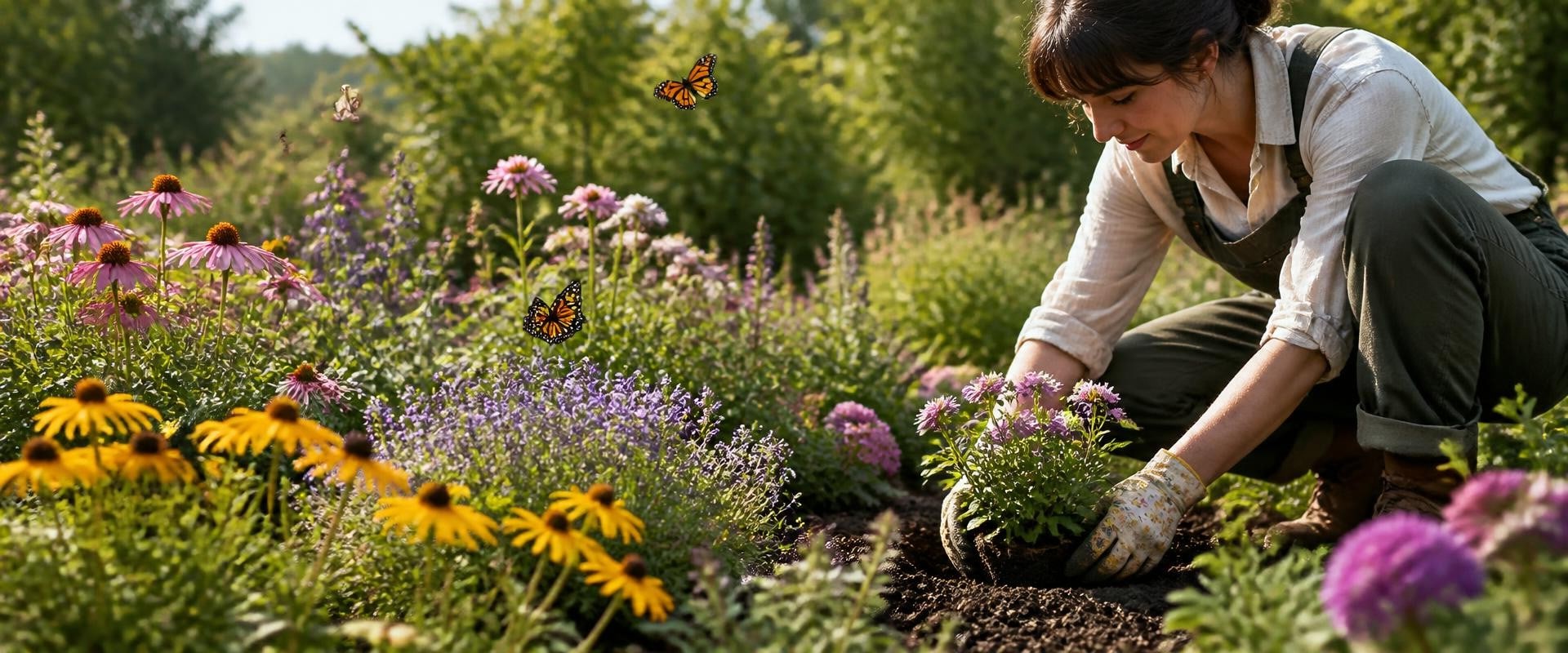
Pollinator gardens are specially designed spaces that provide essential habitats for various pollinators, including bees, butterflies, and hummingbirds. These gardens are not just aesthetically pleasing; they play a crucial role in supporting biodiversity and enhancing the health of our ecosystems. By cultivating a variety of native plants that bloom at different times throughout the growing season, gardeners can create a vibrant environment that attracts and sustains these vital creatures. The importance of pollinators cannot be overstated. They are responsible for the reproduction of over 75% of flowering plants and approximately 35% of the world’s food crops.
Without them, many fruits, vegetables, and nuts would become scarce, leading to significant ecological and economic consequences. Establishing a pollinator garden not only helps these species thrive but also contributes to food security and environmental stability. Moreover, the benefits of pollinator gardens extend beyond supporting wildlife. These gardens can improve soil health, reduce erosion, and enhance water retention. They also provide educational opportunities for communities to learn about the importance of conservation and sustainable gardening practices.
As more people recognize the value of pollinators, the demand for effective planting tips becomes increasingly relevant. Understanding how to create a welcoming environment for these creatures is essential for anyone looking to contribute positively to their local ecosystem.
Choosing the Right Location for Your Pollinator Garden
When establishing a pollinator garden, selecting the right location is crucial for attracting and sustaining various pollinators. Here are some essential planting tips to consider:Sunlight Requirements
Most pollinators, including bees and butterflies, thrive in sunny environments. Aim for a location that receives at least six hours of direct sunlight each day.This not only benefits the pollinators but also promotes healthy plant growth. If your garden area has partial shade, consider planting shade-tolerant species that still provide nectar and pollen.
Soil Conditions
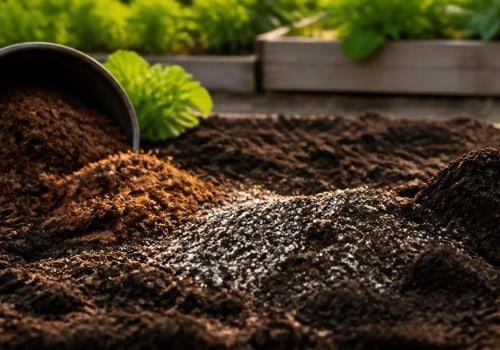
The quality of the soil plays a significant role in the success of your pollinator garden. Here are some tips for assessing and improving soil conditions:- Test the Soil: Conduct a soil test to determine pH levels and nutrient content. Most pollinator-friendly plants prefer slightly acidic to neutral soil (pH 6.0 to 7.0).
- Improve Drainage: Ensure good drainage by incorporating organic matter such as compost or well-rotted manure.
This will help retain moisture while preventing waterlogging.
- Avoid Chemical Fertilizers: Use natural fertilizers to avoid harming beneficial insects. Organic options like compost or worm castings can enhance soil fertility without negative impacts.
Proximity to Water Sources
Pollinators need water just as much as they need food. Position your garden near a natural water source, such as a pond or stream, if possible. If not, consider adding a shallow birdbath or a small water feature with stones for landing pads.Ensure that the water is clean and refreshed regularly to attract more visitors.By carefully considering these factors—sunlight, soil conditions, and water sources—you can create an inviting habitat that supports a diverse range of pollinators while enhancing the beauty of your landscape.
Selecting Native Plants for Pollinators
Creating a thriving pollinator garden begins with selecting native plants that are well-adapted to your local environment. Native plants not only support local ecosystems but also provide essential resources for pollinators such as bees, butterflies, and hummingbirds.Benefits of Native Plants
- Adaptability: Native plants are naturally suited to the local climate and soil conditions, requiring less water and maintenance.
- Attractiveness: They produce flowers that are specifically appealing to local pollinators, ensuring a steady food source throughout the growing season.
- Biodiversity: Incorporating a variety of native species enhances the overall health of your garden and supports a wider range of wildlife.
Best Plants for Bees and Butterflies
When selecting plants, consider those that bloom at different times to provide continuous forage. Here are some excellent choices:
- Echinacea purpurea (Purple Coneflower) - A favorite among bees and butterflies, this hardy perennial blooms from summer to fall.
- Asclepias tuberosa (Butterfly Weed) - This vibrant orange flower is crucial for monarch butterflies, serving as a host plant for their larvae.
- Rudbeckia hirta (Black-eyed Susan) - Known for its bright yellow petals, this plant attracts a variety of pollinators and thrives in sunny spots.
- Lobelia cardinalis (Cardinal Flower) - With its striking red flowers, it draws hummingbirds and is perfect for moist areas in your garden.
Encouraging Plant Diversity
A diverse planting scheme not only attracts more pollinators but also helps create a resilient garden ecosystem. Aim to include:
- A mix of flowering plants with varying heights and bloom times.
- Plants that provide nectar and pollen, as well as those that offer shelter and nesting sites.
- A combination of annuals and perennials to ensure year-round interest and support for pollinators.
Planting Techniques for a Successful Garden
Creating a thriving pollinator garden requires careful attention to planting techniques.Here are some essential tips to ensure your garden attracts and supports a variety of pollinators.
Spacing Plants
Proper spacing is crucial for the health of your plants and the effectiveness of your pollinator garden. When planting, consider the mature size of each species:- Small plants should be spaced about 12 to 18 inches apart.
- Medium-sized plants require 18 to 24 inches of space.
- Larger plants, such as sunflowers or asters, need at least 24 to 36 inches between them.
Planting Depth
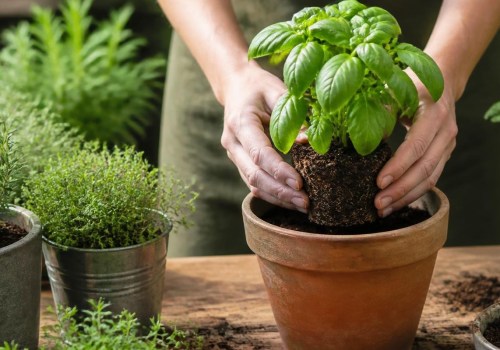
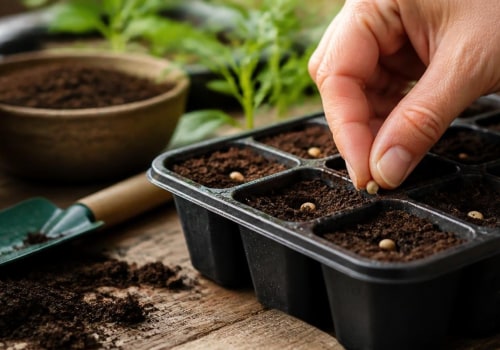
The depth at which you plant your seeds or seedlings can significantly impact their growth. Here are some guidelines:- For most seeds, plant them at a depth of about twice their diameter.
- Seedlings should be planted at the same depth they were growing in their nursery pots.
- Avoid burying the crown of perennials, as this can lead to rot.
Timing Your Planting
The timing of your planting is equally important. Aim to plant in the spring after the last frost date for your area.This timing allows plants to establish themselves before the peak pollinator activity in summer. Additionally, consider staggering your planting times for different species to provide a continuous bloom throughout the growing season, ensuring that pollinators have a reliable food source.By following these planting tips, you can create a vibrant and productive pollinator garden that supports local ecosystems and enhances biodiversity.
Creating a Year-Round Habitat for Pollinators
Creating a thriving year-round habitat for pollinators requires careful planning and plant selection to ensure that there is always something in bloom. By incorporating a variety of plants that flower in different seasons, you can provide essential food sources for bees, butterflies, and other beneficial insects throughout the year.Seasonal Planting Tips
- Spring: Start with early bloomers like crocuses, snowdrops, and hellebores. These plants provide crucial nectar when pollinators emerge from hibernation.
- Summer: Incorporate a mix of perennials such as coneflowers, black-eyed Susans, and bee balm.
These plants not only attract pollinators but also add vibrant colors to your garden.
- Fall: Plant asters, goldenrods, and sedums to ensure that pollinators have access to food as they prepare for winter. These late bloomers are vital for sustaining bee populations.
- Winter: While most plants are dormant, consider adding evergreens or plants with seed heads that provide shelter and food for overwintering pollinators.
Maintaining Blooms Throughout the Year
To maintain continuous blooms, aim for a mix of annuals and perennials. Annuals like zinnias and cosmos can fill gaps in your garden while perennials establish deeper roots over time. Additionally, stagger your planting schedule by sowing seeds or transplanting seedlings at intervals to ensure that flowers bloom at different times.Regular maintenance is also key to a successful pollinator garden.Deadheading spent flowers encourages more blooms and keeps the garden looking tidy. Furthermore, avoid using pesticides that can harm beneficial insects; instead, opt for organic pest control methods to protect your pollinator-friendly space.By following these planting tips, you can create a vibrant and sustainable habitat that supports pollinators year-round, contributing to the health of local ecosystems.
Watering and Maintenance Tips for Your Pollinator Garden
Maintaining a thriving pollinator garden requires consistent attention to watering and overall care. Here are some essential tips to ensure your garden remains a vibrant habitat for pollinators.Watering Tips for Your Pollinator Garden
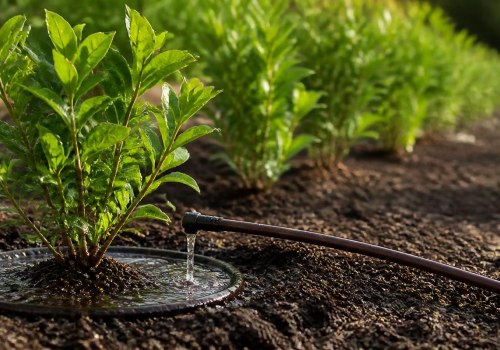
Proper watering is crucial, especially during dry spells. Here are some effective strategies:- Deep Watering: Water deeply but infrequently to encourage deep root growth.
Aim for about 1 inch of water per week, adjusting based on rainfall.
- Morning Watering: Water your plants in the early morning to reduce evaporation and allow foliage to dry before evening, minimizing the risk of fungal diseases.
- Soaker Hoses: Consider using soaker hoses or drip irrigation systems to deliver water directly to the roots, which conserves water and reduces weed growth.
Maintaining a Pollinator Garden
Regular maintenance is key to keeping your garden healthy and inviting for pollinators. Follow these practices:- Mulching: Apply a layer of organic mulch around your plants to retain moisture, suppress weeds, and improve soil quality as it decomposes.
- Deadheading: Remove spent flowers to encourage new blooms and prevent plants from going to seed too early, which can extend the flowering season.
- Diversity: Incorporate a variety of plants that bloom at different times throughout the growing season to provide continuous food sources for pollinators.
Pest Management Without Chemicals
To maintain a healthy ecosystem in your pollinator garden, consider these organic pest management techniques:- Natural Predators: Encourage beneficial insects like ladybugs and lacewings that prey on common pests. You can attract them by planting dill, fennel, or yarrow.
- Neem Oil: Use neem oil as a natural pesticide. It disrupts the life cycle of pests without harming beneficial insects when applied correctly.
- Companion Planting: Pair plants that repel pests with those that attract pollinators.
For example, marigolds can deter aphids while attracting bees.
Common Mistakes to Avoid When Planting a Pollinator Garden
Creating a successful pollinator garden can be a rewarding endeavor, but many gardeners fall into common traps that hinder their efforts. Here are some mistakes to avoid when planting your pollinator garden:- Choosing the Wrong Plants: One of the most significant errors is selecting plants that do not attract local pollinators. Research native plants that thrive in your region, as they are more likely to support local bee, butterfly, and hummingbird populations.
- Overlooking Plant Diversity: A common pitfall is planting too few species. A diverse array of plants ensures that there are blooms available throughout the growing season, providing food for pollinators at different times.
- Neglecting Soil Health: Healthy soil is crucial for plant growth.
Avoid using chemical fertilizers and pesticides that can harm pollinators. Instead, focus on enriching your soil with organic matter and compost.
- Ignoring Sunlight Requirements: Many pollinator-friendly plants require full sun to thrive. Ensure your garden is located in an area that receives adequate sunlight, typically at least six hours a day.
- Planting Too Close Together: While it may be tempting to maximize space, overcrowding plants can lead to competition for resources and poor air circulation. Follow recommended spacing guidelines to promote healthy growth.
- Forgetting About Water Sources: Pollinators need water just like any other creature.
Incorporate shallow water sources, such as birdbaths or small ponds, to provide hydration for visiting insects and birds.
FAQs About Planting Tips for Pollinator Gardens
Creating a successful pollinator garden can be a rewarding experience, but it often comes with its own set of challenges. Here are some frequently asked questions that can help you navigate common issues and enhance your gardening efforts.What are the best plants for attracting pollinators?
When selecting plants for your pollinator garden, consider native species that are well-adapted to your local climate. Some excellent choices include:- Milkweed - Essential for monarch butterflies.
- Echinacea (Coneflower) - Attracts bees and butterflies.
- Lavender - A favorite among bees.
- Bee Balm - Known for attracting hummingbirds and bees.
- Asters - Provide late-season nectar for pollinators.
How can I troubleshoot poor pollinator activity?
If you notice a lack of pollinators in your garden, consider the following:- Plant Diversity: Ensure a variety of plants bloom at different times to provide continuous food sources.
- Pesticide Use: Avoid using harmful chemicals that can deter or harm pollinators.
- Sunlight: Make sure your garden receives adequate sunlight, as many pollinators prefer sunny spots.
- Water Sources: Provide shallow water sources for drinking and bathing.
How do I maintain my pollinator garden?
Regular maintenance is key to a thriving garden.Here are some tips:
- Weeding: Keep the area free of invasive species that compete for resources.
- Deadheading: Remove spent flowers to encourage more blooms.
- Mulching: Apply mulch to retain moisture and suppress weeds.
Conclusion: Cultivating a Sustainable Future with Pollinator Gardens
In conclusion, establishing a pollinator garden is not just a rewarding endeavor for gardeners but also a crucial step towards fostering ecological health. By implementing the planting tips discussed throughout this article, you can create a vibrant habitat that supports bees, butterflies, and other essential pollinators.To recap, here are some key points to remember:- Diversity is key: Incorporating a variety of native plants ensures that different pollinators are attracted throughout the growing season.
- Continuous bloom: Selecting plants that flower at different times will provide a consistent food source for pollinators.
- Avoid pesticides: Reducing or eliminating chemical use in your garden protects pollinators from harmful substances.
- Provide shelter: Including elements like brush piles or bee hotels can offer safe nesting sites for various species.
Let your garden be a testament to the beauty and importance of pollinators, inspiring others to join in this essential cause.