When it comes to planting tips, understanding the fundamentals of plant spacing is crucial for creating a thriving garden. Proper spacing not only allows each plant to access the necessary nutrients, water, and sunlight but also minimizes competition among different varieties. This is particularly important when you are planting multiple types of plants in close proximity, as each variety may have unique growth requirements that dictate how much space it needs to flourish. In a well-planned garden layout, spacing can significantly influence the overall health and productivity of your plants. For instance, densely packed plants may struggle to grow due to limited airflow and light penetration, leading to issues such as mold or stunted growth.
Conversely, too much space can result in wasted resources and an unkempt appearance. Therefore, understanding the specific needs of each plant variety is essential for achieving a balanced garden ecosystem. To effectively manage spacing when planting multiple varieties, start by researching the mature size of each plant. This information will guide you in determining how far apart to place them. Additionally, consider factors such as their growth habits—whether they spread out or grow tall—and their compatibility with neighboring plants.
By taking these elements into account, you can create a harmonious garden that not only looks appealing but also promotes healthy growth.
Factors Influencing Plant Spacing
When it comes to planting tips, understanding the various factors that influence plant spacing is essential for creating a thriving garden. Each plant variety has unique requirements that dictate how much space it needs to grow effectively.Light Requirements
Different plants have varying light needs, which can significantly affect their spacing. For instance, sun-loving plants like tomatoes and peppers require full sun and should be spaced further apart to avoid shading each other. In contrast, shade-tolerant varieties such as ferns can be planted closer together, as they thrive in lower light conditions.Water Needs
Water requirements also play a crucial role in determining plant spacing.Plants with high water needs, such as cucumbers and squash, should be spaced adequately to ensure that each plant receives sufficient moisture without competing for resources. Conversely, drought-resistant plants like succulents can be planted closer together since they require less water and can tolerate dry conditions.
Root Systems
The type of root system a plant develops is another critical factor in spacing. Deep-rooted plants, such as carrots and potatoes, need more space to grow downward without interference from neighboring plants. On the other hand, shallow-rooted plants like lettuce can be planted more closely together since their roots spread horizontally rather than vertically.Plant Size
Finally, the mature size of the plants must be considered when planning your garden layout.Larger plants, such as sunflowers or zucchini, require more space to accommodate their growth and prevent overcrowding. Smaller plants like radishes or herbs can be planted in tighter clusters, maximizing your garden's productivity. By taking into account these factors—light requirements, water needs, root systems, and plant size—you can make informed decisions about spacing when planting multiple varieties. This careful planning will lead to healthier plants and a more bountiful harvest.
Companion Planting: Benefits and Considerations
Companion planting is a gardening technique that involves growing different plants in close proximity for mutual benefits. This method can significantly influence your spacing decisions, as certain plants can enhance each other's growth, deter pests, or improve flavor.Understanding the benefits of companion planting can help you make informed choices about how to arrange your garden.
Benefits of Companion Planting
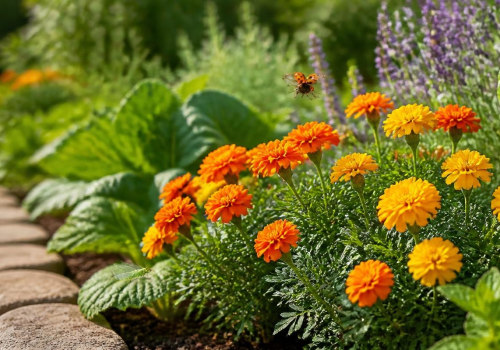
- Pest Control: Some plants naturally repel pests that might harm their neighbors. For example, marigolds are known to deter nematodes and other harmful insects.
- Nutrient Enhancement: Certain plants can improve soil quality and nutrient availability. For instance, legumes like beans fix nitrogen in the soil, benefiting nearby crops.
- Improved Pollination: Planting flowers alongside vegetables can attract pollinators, enhancing fruit and seed production.
- Space Optimization: Companion planting allows you to maximize your garden space by interplanting varieties that grow well together.
Spacing Tips for Companion Plants
When planning your garden layout, consider the following spacing tips:
- Height Considerations: Taller plants should be placed on the north side of shorter ones to prevent shading. For example, plant corn alongside squash and beans, allowing the corn to provide support for the climbing beans.
- Root Depth: Be mindful of root systems.
Deep-rooted plants like carrots can coexist with shallow-rooted varieties such as lettuce, as they occupy different soil layers.
- Avoid Competition: Some plants compete for the same nutrients and space. Avoid pairing crops like onions and garlic with legumes, as they may hinder each other's growth.
Calculating Optimal Spacing for Different Varieties
When it comes to planting multiple varieties in your garden, understanding how to calculate optimal spacing is crucial for ensuring healthy growth and maximizing yield. Different plants have varying requirements based on their growth habits, so here are some practical tips to help you manage spacing effectively.1.Understand Growth Habits
- Leafy Greens: Plants like lettuce and spinach can be spaced closer together, typically 6 to 12 inches apart, as they have shallow root systems and can thrive in tighter conditions.
- Root Vegetables: Carrots and radishes require more space, generally 2 to 4 inches apart, to allow for proper root development.
- Tall Plants: Varieties such as tomatoes and sunflowers need ample space, often 18 to 24 inches apart, to prevent shading and ensure adequate air circulation.
2.Use Companion Planting Principles
Companion planting can also influence spacing decisions. For example, planting basil near tomatoes not only maximizes space but also enhances growth due to their beneficial relationship.
Research which plants work well together and adjust your spacing accordingly.
3.Consider Mature Size
Always refer to the seed packet or plant label for specific spacing recommendations based on the mature size of each variety. This information is invaluable for planning your garden layout effectively.
4.Utilize a Garden Planner
If you're unsure about spacing calculations, consider using a garden planner tool or app. These resources can help visualize your garden layout and suggest optimal distances based on the varieties you choose.
5.Adjust for Local Conditions
Your local climate and soil conditions may also affect how closely you can plant different varieties. In areas with high humidity or poor air circulation, it may be wise to increase spacing to reduce the risk of disease.By taking these factors into account when planning your garden, you can ensure that each plant has enough room to grow while maximizing your available space.
Proper spacing calculations not only promote healthier plants but also lead to a more productive garden overall.
Common Mistakes in Plant Spacing and How to Avoid Them
When it comes to plant spacing, many gardeners fall into common traps that can hinder plant growth and overall garden health. Understanding these mistakes is crucial for creating a thriving garden.- Overcrowding Plants: One of the most frequent errors is planting too closely together. This can lead to competition for nutrients, water, and sunlight. To avoid this, always refer to the specific spacing recommendations for each plant variety.
For instance, leafy greens may require less space than larger fruiting plants.
- Ignoring Mature Size: Another mistake is failing to consider the mature size of plants. A small seedling may look manageable, but as it grows, it can overshadow or choke out neighboring plants. Always check the expected height and spread of your plants before deciding on their placement.
- Neglecting Growth Habits: Different plants have varying growth habits—some spread out while others grow tall. Mixing these types without proper spacing can lead to issues.
For example, placing a sprawling cucumber plant next to a tall tomato can result in one plant overshadowing the other. Group plants with similar growth patterns together to optimize space.
- Plan Ahead: Before planting, sketch out your garden layout. This will help you visualize how much space each plant will need and prevent overcrowding.
- Use a Spacing Guide: Utilize resources such as gardening books or online databases that provide detailed spacing guidelines for various plant species.
- Monitor Growth: Keep an eye on your plants as they grow. If you notice overcrowding, consider thinning out some plants or relocating them to give others more room.
Seasonal Considerations for Plant Spacing
Understanding how seasonal changes impact plant growth is crucial for effective spacing when planting multiple varieties.Different seasons bring varying temperatures, moisture levels, and sunlight, all of which can influence how plants develop and compete for resources.
Spring Planting Tips:
In spring, as temperatures rise and days lengthen, many plants experience a growth spurt. This is particularly true for annuals, which often require more space as they expand rapidly. When planting in spring, consider increasing the spacing between annuals to allow for their vigorous growth. For example, if you typically space your petunias 12 inches apart, consider increasing that to 15 inches during the spring months.
Summer Adjustments:
As summer progresses, plants may become more established and require less space.
However, competition for nutrients and water can intensify. To mitigate this, monitor your garden closely and adjust your watering and fertilization strategies accordingly. If you notice that certain plants are outgrowing their neighbors, you might need to thin them out or relocate some to ensure optimal growth.
Fall Considerations:
In the fall, many gardeners transition to planting perennials. These plants often have different spacing needs compared to annuals.
Perennials typically require more room as they will return year after year and can spread over time. When planting perennials in the fall, consider spacing them further apart than you would annuals to accommodate their future growth.
Winter Preparations:
Although winter is not a traditional planting season, it’s essential to plan for the upcoming year. Assess your garden layout and consider how seasonal changes affected plant spacing in the past. This reflection can guide your decisions on spacing for the next planting cycle.By understanding these seasonal planting tips, you can effectively manage spacing when planting multiple varieties, ensuring that each plant has the room it needs to thrive throughout the year.
FAQs About Planting Tips and Spacing Management
When it comes to planting tips and managing spacing, many gardeners have questions that can significantly impact their gardening success.Here are some frequently asked questions that can help clarify common doubts:
- What is the ideal spacing between different plant varieties?
The ideal spacing varies depending on the type of plants you are growing. For example, leafy greens like lettuce can be planted closer together, about 6 to 12 inches apart, while larger plants like tomatoes may require 24 to 36 inches of space. Always refer to seed packets or gardening guides for specific recommendations. - Can I plant different varieties in the same row?
Yes, intercropping is a popular technique where different varieties are planted in the same row. However, ensure that their growth habits and nutrient needs complement each other.For instance, pairing deep-rooted plants with shallow-rooted ones can maximize space and resources.
- How do I determine the right spacing for companion planting?
Companion planting involves growing plants together that benefit each other. Research specific pairings to understand their spacing needs. For example, planting basil near tomatoes can enhance flavor and deter pests, but ensure both have adequate space to thrive. - What should I consider when planning my garden layout?
Consider factors such as sunlight, water requirements, and growth habits. Taller plants should be placed on the north side of your garden to avoid shading shorter plants.Additionally, ensure that all plants have enough room for air circulation to prevent disease.
Conclusion: Mastering Plant Spacing for a Thriving Garden
In conclusion, mastering plant spacing is crucial for cultivating a thriving garden. By understanding the specific needs of each plant variety, you can create an environment that promotes healthy growth and maximizes productivity. Here are some key takeaways to remember:- Research Plant Requirements: Different plants have varying spacing needs based on their size, growth habits, and root systems.
Always check the recommended spacing for each variety before planting.
- Consider Growth Stages: Young plants may require less space initially, but as they mature, they will need room to spread. Plan for their future size when determining spacing.
- Utilize Companion Planting: Some plants thrive when grown together, while others may compete for resources. Understanding these relationships can help you optimize your garden layout.
- Adjust for Environmental Factors: Factors such as sunlight, soil quality, and moisture levels can influence how closely you can plant different varieties. Be prepared to adjust your spacing based on these conditions.
A well-planned garden not only enhances aesthetics but also improves overall yield and reduces the risk of disease. Remember, proper spacing is not just about aesthetics; it’s about creating a sustainable ecosystem where every plant can thrive.