Indoor plants have surged in popularity over the past few years, transforming homes and offices into vibrant, green sanctuaries. These living decorations not only enhance aesthetic appeal but also contribute significantly to our well-being. From the lush Monstera to the resilient Snake Plant, the variety of indoor plants available today caters to every taste and lifestyle. Understanding the different types of indoor plants is crucial for anyone looking to cultivate a thriving indoor garden. The benefits of incorporating indoor plants into your space extend beyond mere decoration.
Studies have shown that they can improve air quality by filtering toxins and increasing humidity, which can lead to better respiratory health. Additionally, caring for plants can reduce stress and promote a sense of calm, making them an excellent addition to any home or workspace. With such compelling advantages, it’s no wonder that many people are eager to learn effective planting tips to ensure their indoor plants flourish. As we delve deeper into the world of indoor gardening, it becomes clear that successful plant care begins with understanding the unique needs of each species. Whether you’re a seasoned plant parent or a novice just starting out, mastering the basics of planting and maintenance will set you on the path to creating a lush indoor oasis.
In the following sections, we will explore essential planting tips that will help you nurture your indoor plants and enjoy their many benefits.
Choosing the Right Indoor Plants
Choosing the right indoor plants is essential for creating a thriving indoor garden. Factors such as light availability, space, and care requirements play a significant role in determining which plants will flourish in your home.Assessing Light Conditions
- Bright, indirect light: Plants like peace lilies, spider plants, and snake plants thrive in these conditions.
- Low light: If your space lacks natural light, consider low maintenance indoor plants such as Pothos, ZZ plants, or cast iron plants.
- Direct sunlight: Succulents and cacti are perfect for sunny spots, requiring at least six hours of direct sunlight daily.
Evaluating Space
The amount of space you have will also dictate your plant choices. For small apartments or limited areas, opt for compact varieties like miniature ferns, or hanging plants such as string of hearts. Larger spaces can accommodate bigger plants like rubber trees or fiddle leaf figs.
Caring for Your Plants
- If you're a beginner, start with hardy plants that require minimal care.
Options like sansevieria and pothos are forgiving and can tolerate neglect.
- Research the specific needs of each plant regarding watering, humidity, and temperature to ensure they thrive.
- Consider your lifestyle; if you travel frequently or have a busy schedule, choose plants that can withstand periods without attention.
Essential Planting Tips for Indoor Plants
When it comes to planting tips for indoor plants, the foundation of success lies in understanding the essentials of soil selection, potting techniques, and watering practices.Soil Selection
Choosing the right soil is crucial for the health of your indoor plants. Opt for a high-quality potting mix that is specifically formulated for indoor plants. These mixes typically contain a blend of peat moss, vermiculite, and perlite, which provide excellent drainage and aeration.Avoid using garden soil as it can compact easily and may harbor pests.
Potting Techniques
When potting your indoor plants, follow these steps:- Select the Right Pot: Ensure that your pot has drainage holes to prevent water from accumulating at the bottom.
- Prepare the Pot: Place a layer of small stones or broken pottery at the bottom of the pot to enhance drainage.
- Add Soil: Fill the pot with your chosen potting mix, leaving enough space at the top for watering.
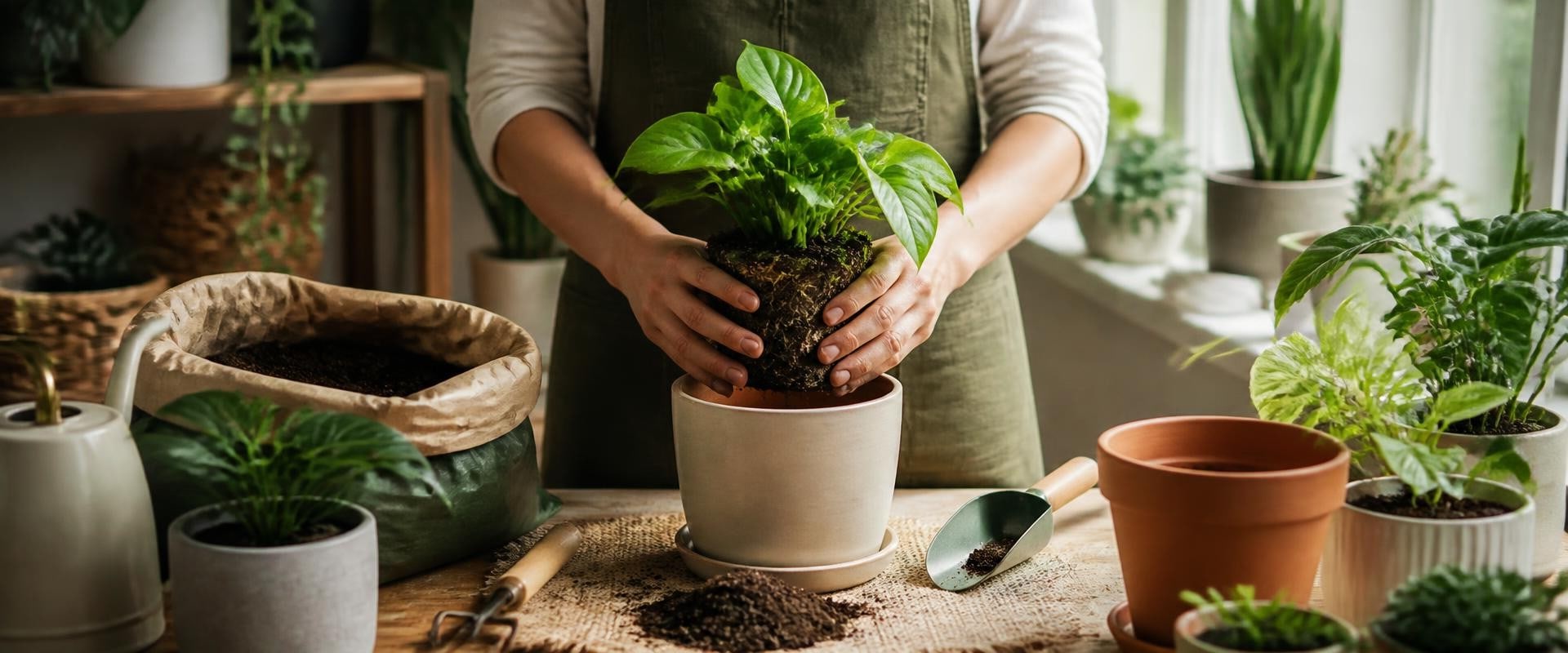
- Planting: Gently remove your plant from its nursery container and loosen any tightly bound roots. Place it in the new pot and fill in around it with more soil, ensuring that the root ball is level with the top of the pot.
Watering Practices
Watering is another critical aspect of indoor plant care. Here are some effective planting tips regarding watering:- Check Soil Moisture: Before watering, check if the top inch of soil is dry. Overwatering can lead to root rot.
- Water Thoroughly: When you do water, do so thoroughly until water drains out of the bottom.
This ensures that all roots receive moisture.
- Avoid Standing Water: Empty any excess water from saucers under pots to prevent roots from sitting in water.
Soil and Fertilization Needs
When it comes to indoor gardening, understanding the soil and fertilization needs of your plants is crucial for their health and growth. The right soil not only provides essential nutrients but also ensures proper drainage and aeration.Best Soil for Indoor Plants
The best soil for indoor plants typically consists of a mix that caters to the specific needs of your plants. Here are some common types:- Potting Mix: A lightweight blend that often includes peat moss, vermiculite, and perlite. This mix is ideal for most houseplants as it retains moisture while allowing excess water to drain.
- Cactus Mix: Designed for succulents and cacti, this mix contains sand and grit to enhance drainage, preventing root rot.
- Orchid Mix: Composed of bark, charcoal, and sphagnum moss, this mix provides excellent aeration for orchids and other epiphytic plants.
Fertilizing Indoor Plants
Fertilization is another key aspect of indoor plant care.Indoor plants often require additional nutrients that may not be available in the potting mix. Here are some tips for effective fertilization:
- Frequency: Most indoor plants benefit from fertilization every 4-6 weeks during the growing season (spring and summer). Reduce or stop fertilizing in fall and winter when growth slows.
- Type of Fertilizer: Use a balanced, water-soluble fertilizer that contains equal parts nitrogen, phosphorus, and potassium (N-P-K). Organic options like fish emulsion or seaweed extract can also be beneficial.
- Dilution: Always dilute fertilizers according to package instructions to avoid burning the roots.
By providing optimal conditions, you can enjoy lush greenery in your home all year round.
Light Requirements for Indoor Plants
Understanding the light requirements for indoor plants is crucial for their growth and overall health. Different plants have varying needs when it comes to light exposure, and knowing how to meet these needs can make a significant difference in their vitality.Types of Light:
- Direct sunlight: This is ideal for sun-loving plants like succulents and cacti. They thrive when placed near south-facing windows where they can soak up the sun's rays for several hours a day.
- Indirect sunlight: Many houseplants, such as pothos and peace lilies, prefer bright but indirect light. Positioning them a few feet away from a window or in a room with filtered light can help prevent leaf burn.
- Low light: Some plants, like snake plants and ZZ plants, can tolerate low-light conditions.
These are perfect for spaces that don’t receive much natural light.
Best Light Conditions:
To ensure your indoor plants thrive, consider the following tips:
- Observe your space: Take note of how much natural light different areas of your home receive throughout the day. This will help you determine the best spots for your plants.
- Rotate your plants: To promote even growth, rotate your plants every few weeks. This ensures all sides receive adequate light exposure.
- Avoid drafts: Keep plants away from drafty windows or doors, as sudden temperature changes can stress them out.
Artificial Lighting:
If natural light is limited in your home, consider using artificial lighting to supplement your indoor garden. Here are some effective options:
- LED grow lights: These are energy-efficient and emit the full spectrum of light that plants need for photosynthesis.
- Fluorescent lights: Ideal for seedlings and low-light plants, fluorescent bulbs provide a good amount of light without generating too much heat.
Watering Techniques and Schedules
Watering indoor plants is a crucial aspect of plant care that can significantly impact their health and growth.Understanding how often to water houseplants is essential to maintaining a thriving indoor garden.
Watering Techniques
- Check the Soil Moisture: Before watering, always check the top inch of soil. If it feels dry, it’s time to water. If it’s still moist, wait a few days before checking again.
- Water Thoroughly: When you do water, ensure that you water thoroughly until you see excess water draining from the bottom of the pot. This encourages deep root growth.
- Avoid Watering Leaves: Focus on watering the soil rather than the leaves to prevent fungal diseases and promote healthy growth.
Watering Schedule
The frequency of watering can vary based on several factors including plant type, pot size, and environmental conditions.
Generally, most houseplants thrive with a watering schedule of:
- Weekly Watering: Many indoor plants benefit from being watered once a week.
- Bi-Weekly for Succulents: Succulents and cacti require less frequent watering, typically every two weeks or when the soil is completely dry.
- Seasonal Adjustments: During the growing season (spring and summer), plants may need more frequent watering compared to the dormant months (fall and winter).
Signs of Overwatering or Underwatering
Recognizing the signs of overwatering or underwatering is vital for maintaining healthy indoor plants:
- Overwatering Signs: Yellowing leaves, wilting despite wet soil, and root rot are common indicators of overwatering.
- Underwatering Signs: Brown leaf tips, drooping leaves, and dry soil are signs that your plant needs more water.
Common Mistakes to Avoid When Planting Indoor Plants
When it comes to planting indoor plants, even seasoned gardeners can make mistakes. Here are some common pitfalls to avoid to ensure your houseplants thrive:- Overwatering: One of the most frequent errors is giving plants too much water. Always check the soil moisture before watering. A good rule of thumb is to allow the top inch of soil to dry out before adding more water.
- Choosing the Wrong Pot: Using a pot without drainage holes can lead to root rot.
Ensure your pots have adequate drainage to allow excess water to escape.
- Ignoring Light Requirements: Each plant has specific light needs. Placing a low-light plant in direct sunlight can scorch its leaves, while a sun-loving plant in a dark corner may not thrive. Research your plants’ light preferences and position them accordingly.
- Neglecting Soil Quality: Not all potting soils are created equal. Using garden soil can introduce pests and diseases.
Opt for a high-quality potting mix tailored for indoor plants.
- Fertilizing Incorrectly: Over-fertilizing can harm your plants. Follow the recommended guidelines for your specific plant type, and consider fertilizing during the growing season only.
FAQs About Planting Indoor Plants
When it comes to planting indoor plants, many enthusiasts have questions that can help them navigate the challenges of indoor gardening. Here are some frequently asked questions and their answers:What are the most common issues with indoor plants?
- Overwatering: This is one of the leading causes of plant stress.
Ensure your pots have drainage holes and only water when the top inch of soil feels dry.
- Pest infestations: Common pests like spider mites and aphids can wreak havoc. Regularly inspect your plants and use insecticidal soap if necessary.
- Insufficient light: Many houseplants require bright, indirect light. If your plant is stretching towards the light, it may need to be moved closer to a window.
How can I tell if my indoor plant is healthy?
A healthy indoor plant typically exhibits:- Vibrant leaves: Leaves should be green and free from spots or discoloration.
- Strong stems: Stems should be firm and upright, not drooping or weak.
- New growth: Look for new leaves or shoots, which indicate that your plant is thriving.
What should I do if my plant is wilting?
If you notice your plant wilting, consider the following steps:- Check the soil moisture: If the soil is dry, give it a thorough watering. If it's soggy, allow it to dry out before watering again.
- Assess light conditions: Ensure your plant is receiving adequate light; adjust its location if necessary.
- Inspect for pests: Look for any signs of pests that could be causing stress to your plant.
Conclusion: Key Takeaways on Planting Indoor Plants
In conclusion, mastering the art of planting indoor plants is essential for creating a vibrant and healthy indoor garden.By following the right planting tips, you can ensure that your plants not only survive but thrive in your home environment. Here are the key takeaways to remember:
- Choose the Right Pot: Always select a pot with adequate drainage holes to prevent waterlogging, which can lead to root rot.
- Use Quality Soil: Invest in high-quality potting mix that provides the necessary nutrients and aeration for your plants.
- Consider Plant Size: When planting, ensure that the pot size is appropriate for the plant's growth. A pot that is too small can restrict root development.
- Water Wisely: Understand the specific watering needs of each plant. Overwatering is a common mistake that can be detrimental to indoor plants.
- Provide Adequate Light: Position your plants according to their light requirements. Some thrive in bright, indirect light, while others prefer low-light conditions.
- Monitor Humidity Levels: Many indoor plants benefit from higher humidity.
Consider using a humidifier or placing a tray of water near your plants.