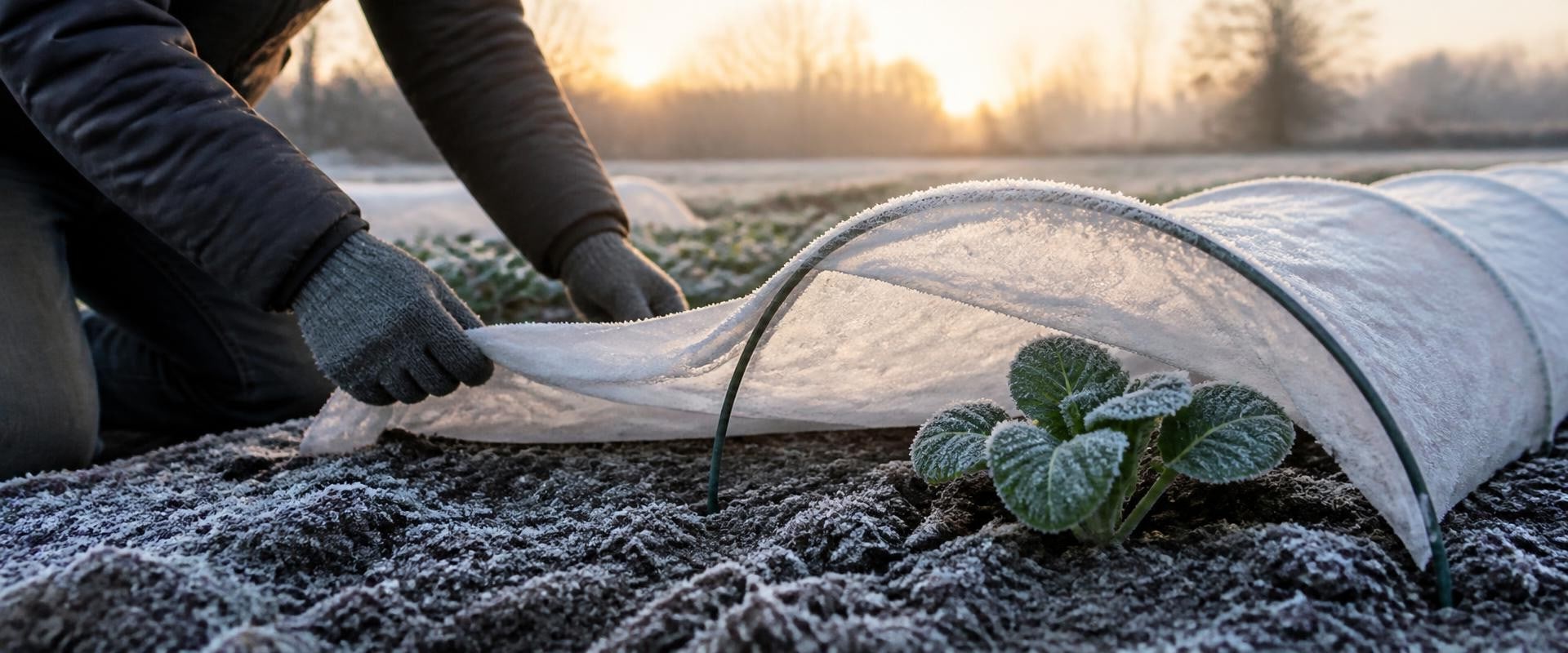
Frost is a natural phenomenon that occurs when the temperature drops below the freezing point of water, typically at night. This process leads to the formation of ice crystals on surfaces, including plants. Understanding what frost is and how it forms is essential for gardeners, especially those who have recently planted new vegetation. Newly planted plants are particularly vulnerable to frost damage, which can stunt their growth or even kill them outright. The impact of frost on plants can be devastating.
When temperatures dip, the water inside plant cells can freeze, causing the cells to rupture. This cellular damage manifests as wilting, browning, or even complete die-off of the affected foliage.
Frost can affect plants
in various ways, from delaying their growth to compromising their overall health. For instance, tender seedlings and young plants are more susceptible to frost than established ones, making it crucial for gardeners to be vigilant during colder months. Moreover, understanding how frost affects your garden allows you to implement effective planting tips that can mitigate its impact.By recognizing the signs of impending frost and knowing when to take action, you can protect your plants and ensure they thrive despite the challenges posed by cold weather. In the following sections, we will explore practical strategies for safeguarding your newly planted vegetation against frost damage.
Timing Your Planting: When to Plant to Avoid Frost Damage
Timing your planting is crucial for protecting your plants from frost damage. Understanding local frost dates can significantly influence your planting schedule and ensure that your plants thrive. Frost dates vary by region, so it’s essential to consult a planting calendar specific to your area.This calendar will provide you with the average last frost date in spring and the first frost date in fall, allowing you to plan accordingly.To minimize the risk of frost damage, consider the following tips:
- Research Local Frost Dates: Check with local agricultural extensions or gardening centers for the most accurate frost dates in your area.
- Plan Your Planting Schedule: Aim to plant your frost-sensitive plants after the last expected frost date. For example, if your area typically experiences its last frost around mid-April, consider waiting until late April or early May to plant.
- Use a Planting Calendar: Utilize a planting calendar that outlines optimal planting times for various crops based on your region's climate. This will help you avoid planting too early when frost is still a threat.
- Monitor Weather Forecasts: Keep an eye on weather forecasts as planting time approaches. Sudden drops in temperature can occur unexpectedly, so being prepared can save your plants.
These simple actions can make a significant difference in safeguarding your garden.By carefully timing your planting and staying informed about local conditions, you can greatly reduce the risk of frost damage and promote healthy growth for your plants.
Choosing Frost-Resistant Plants
When planning your garden, one of the most effective planting tips is to choose frost-resistant plants. These hardy varieties can withstand lower temperatures and are less likely to suffer damage from unexpected frosts. Here are some key considerations when selecting these resilient plants:- Know Your Zone: Familiarize yourself with your USDA Hardiness Zone. This classification helps you understand which plants are best suited for your climate and can survive the cold.
- Opt for Native Species: Native plants are often more adapted to local conditions, including temperature fluctuations.
They typically have better resistance to frost and require less maintenance.
- Consider Perennials: Many perennial plants, such as lavender, sedum, and daylilies, are known for their hardiness. They can survive winter conditions and return each spring, making them a reliable choice.
- Look for Specific Traits: When selecting plants, look for those that have thicker leaves or a waxy coating, as these features often indicate better frost resistance. Additionally, plants with a low growth habit tend to be less susceptible to frost damage.
- Research Frost Dates: Understanding the average last frost date in your area can help you time your planting effectively. Choose plants that can be established before this date to minimize risk.
- Pansies: These colorful flowers can tolerate light frosts and add vibrant color to your garden.
- Kale: This leafy green not only thrives in cooler temperatures but also becomes sweeter after a frost.
- Hellebores: Known as Christmas roses, these perennials bloom in late winter and are remarkably frost-resistant.
This proactive approach not only enhances the beauty of your landscape but also reduces the need for extensive protective measures against frost damage.
Effective Frost Protection Techniques for Newly Planted Vegetation
Protecting your newly planted vegetation from frost is crucial for ensuring their survival and promoting healthy growth. Here are some effective methods to safeguard your plants:- Physical Barriers: One of the simplest ways to protect your plants from frost is by using physical barriers. This can include:
- Row Covers: Lightweight fabric row covers can trap heat and shield plants from cold winds. Make sure to secure the edges to prevent them from blowing away.
- Cloche: A cloche is a bell-shaped cover that can be placed over individual plants.
It creates a mini-greenhouse effect, keeping the temperature around the plant warmer.
- Mulching: Applying a layer of mulch around your plants can help insulate the soil and maintain a more stable temperature. Organic materials like straw, wood chips, or shredded leaves work well. Aim for a thickness of 2-4 inches, but avoid piling it directly against the plant stems.
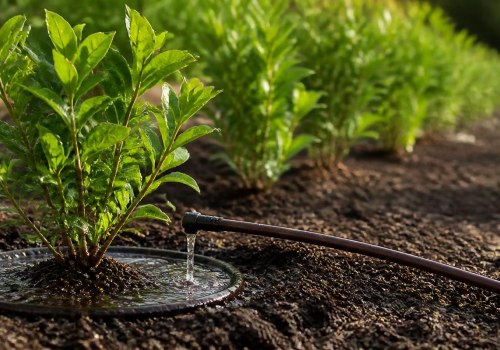
- Watering Before Frost: Watering your plants before a frost event can also provide protection. Moist soil retains heat better than dry soil, which can help keep the roots warm during cold nights.
- Using Heat Sources: For more vulnerable plants, consider using heat sources such as string lights or heat lamps.
These should be placed carefully to avoid overheating or damaging the plants.
Using Microclimates to Your Advantage
Understanding microclimates is essential for any gardener looking to protect their plants from frost. A microclimate is a small area where the climate differs from the surrounding environment, often due to factors like topography, vegetation, and human-made structures. By strategically utilizing these variations, you can create a more favorable environment for your plants.Here are some practical tips for creating and using microclimates in your garden:- Observe Your Garden: Spend time observing how sunlight, wind, and moisture affect different areas of your garden throughout the day.
Note where the sun hits first in the morning and where shadows fall.
- Utilize Walls and Fences: Planting near south-facing walls or fences can provide warmth and protection from cold winds. These structures absorb heat during the day and release it at night, creating a warmer microclimate.
- Group Plants Wisely: Cluster plants that thrive in similar conditions together. This not only helps maintain humidity but also provides mutual protection against frost. Taller plants can shield shorter ones from cold winds.
- Use Mulch: Applying a layer of mulch around your plants can help retain soil warmth and moisture.
Organic mulches, such as straw or wood chips, can also provide insulation against frost.
- Consider Raised Beds: If possible, use raised beds for planting. They tend to warm up faster in spring compared to ground-level gardens, giving your plants a head start before frost sets in.
Monitoring Weather Conditions and Frost Alerts
To effectively protect your plants from frost after planting, it is crucial to stay informed about weather conditions and utilize available technology for timely frost alerts. Understanding the local climate and monitoring forecasts can significantly enhance your gardening success.Utilizing Weather Apps
- Many weather apps provide real-time updates and notifications about temperature drops.
Look for apps specifically designed for gardeners, as they often include features tailored to plant care.
- Popular options include Weather Underground, AccuWeather, and The Weather Channel. These apps allow you to set alerts for frost warnings in your area.
- Some apps even offer localized forecasts that can help you anticipate sudden weather changes that might affect your garden.
Monitoring Local Conditions
- In addition to using apps, keep an eye on local weather reports through television or radio. This can provide a broader context for understanding upcoming weather patterns.
- Consider investing in a simple home weather station. These devices can give you real-time data on temperature and humidity, allowing you to make informed decisions about protecting your plants.
Preparing for Frost Events
- Once you receive a frost alert, take immediate action.
Cover vulnerable plants with blankets, burlap, or row covers to insulate them from cold air.
- If possible, move potted plants indoors or to a sheltered location until the threat of frost has passed.
- Watering your plants before a frost can also help; moist soil retains heat better than dry soil, providing additional protection against freezing temperatures.
Frequently Asked Questions About Frost Protection for Plants
When it comes to protecting your plants from frost after planting, many gardeners have questions. Here are some of the most frequently asked questions regarding frost protection:- What is the best time to cover my plants? It's advisable to cover your plants in the late afternoon or early evening before temperatures drop. This allows the cover to trap heat from the soil and protect your plants overnight.
- What materials can I use to protect my plants? You can use a variety of materials such as frost cloths, old sheets, or even cardboard boxes.
Make sure whatever you use is breathable to prevent moisture buildup.
- How do I know if my plants are at risk of frost? Keep an eye on local weather forecasts, especially during spring and fall. A temperature drop below 32°F (0°C) typically indicates a risk of frost.
- Can I use mulch for frost protection? Yes, applying a layer of mulch around your plants can help insulate the soil and maintain a more stable temperature, reducing the risk of frost damage.
- Should I water my plants before a frost? Watering your plants before a frost can be beneficial. Moist soil retains heat better than dry soil, providing additional protection against freezing temperatures.
Conclusion: Key Takeaways for Protecting Your Plants from Frost
In conclusion, protecting your plants from frost after planting is crucial for ensuring their health and longevity.By implementing the right planting tips, you can significantly reduce the risk of frost damage and promote robust growth. Here are the key takeaways to remember:
- Timing is Everything: Always check local frost dates and plan your planting schedule accordingly. Early or late planting can expose your plants to unexpected frost.
- Choose Hardy Varieties: Select plants that are known for their frost resistance. This can make a significant difference in their survival rates during colder months.
- Use Protective Covers: Employ row covers, blankets, or cloches to shield your plants from frost. These materials trap heat and create a microclimate that can protect delicate foliage.
- Mulching Matters: Apply a layer of mulch around your plants to insulate the soil and retain warmth.
This simple step can help mitigate temperature fluctuations.
- Water Wisely: Watering your plants before a frost can help them withstand cold temperatures. Moist soil retains heat better than dry soil, providing an extra layer of protection.