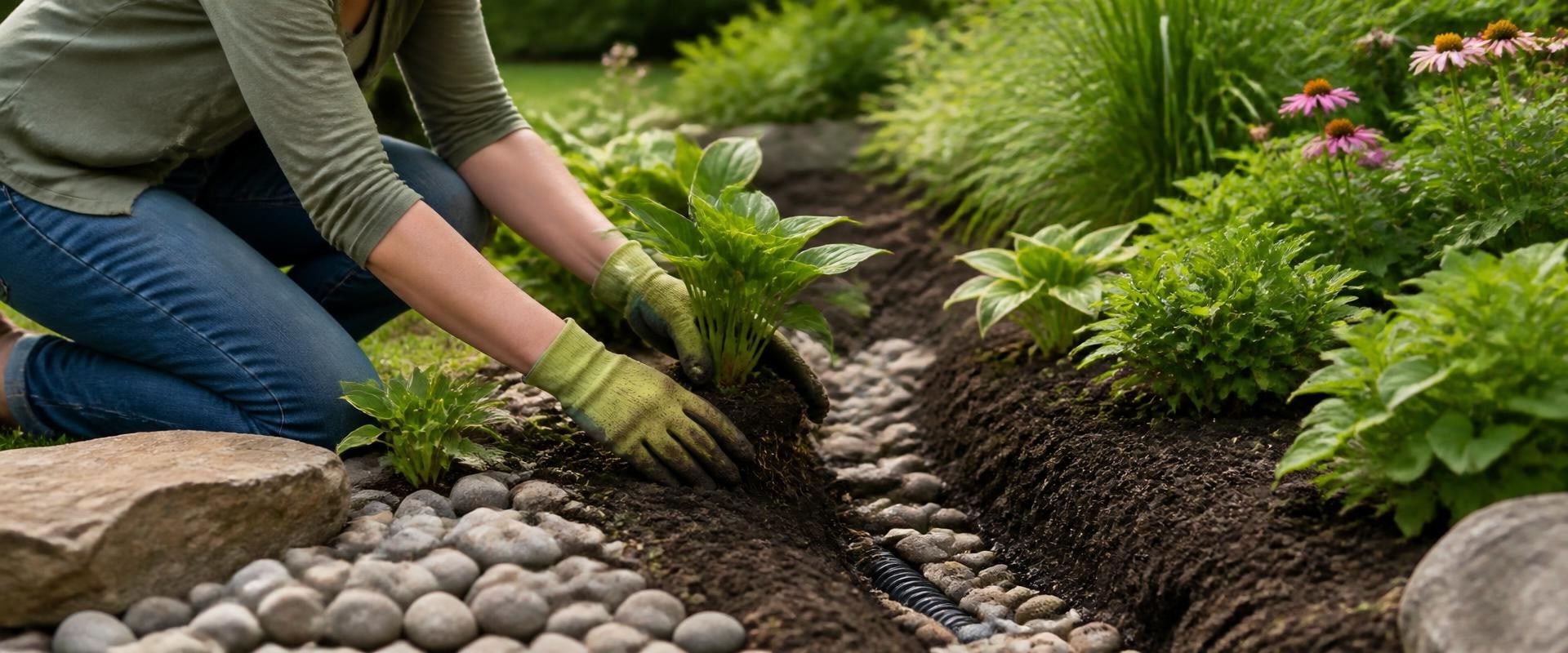
When it comes to planting, one of the most critical yet often overlooked aspects is drainage. Understanding the importance of drainage can significantly impact the health and vitality of your plants. Proper drainage ensures that excess water does not accumulate around the roots, which can lead to root rot and other detrimental conditions. Without adequate drainage, even the most carefully selected plants can struggle to thrive, making it essential for any gardener to prioritize this aspect of their planting strategy. Why does drainage matter so much? The answer lies in the delicate balance that plants require between moisture and air.
Roots need oxygen to function effectively, and when soil becomes waterlogged, it deprives them of this vital element. This imbalance can stunt growth, reduce flowering, and even lead to plant death. By implementing effective drainage solutions, you not only enhance the overall health of your garden but also create a more resilient environment for your plants to flourish. Incorporating planting tips that focus on drainage can transform your gardening experience. From selecting the right soil mix to utilizing raised beds or incorporating drainage materials like gravel or sand, there are numerous strategies you can employ.
As we delve deeper into this article, we will explore various techniques and best practices that will help you achieve optimal drainage in your planting endeavors, ensuring that your garden remains vibrant and productive.
Assessing Your Soil Type
Understanding your soil type is essential for effective drainage improvement when planting. Different soil types have varying drainage capabilities, which can significantly impact plant health and growth.Soil Types and Their Drainage Characteristics
- Sandy Soil: This type has large particles and excellent drainage properties. Water drains quickly, which can lead to nutrient leaching. While sandy soil is easy to work with, it may require frequent watering and fertilization.
- Clay Soil: Clay has tiny particles that compact tightly, resulting in poor drainage.
Water tends to pool on the surface, leading to root rot and other issues. Improving clay soil often involves adding organic matter to enhance its structure.
- Silty Soil: Silty soil retains moisture better than sandy soil but drains more effectively than clay. It is generally fertile but can become compacted, which may hinder drainage. Regular aeration can help maintain its structure.
- Loamy Soil: Considered the ideal soil type for most plants, loamy soil is a balanced mixture of sand, silt, and clay.
It offers good drainage while retaining moisture and nutrients effectively.
Assessing Soil Drainage
To assess your soil's drainage capabilities, you can perform a simple test:
- Dug a hole about 12 inches deep and 12 inches wide in the area where you plan to plant.
- Fill the hole with water and allow it to drain completely.
- Once drained, refill the hole with water again and time how long it takes for the water to drain away.
Improving Soil Drainage
If your assessment reveals poor drainage, there are several strategies you can implement:
- Add organic matter such as compost or well-rotted manure to improve soil structure.
- Create raised beds to elevate plant roots above saturated ground.
- Incorporate sand or perlite into heavy soils to enhance aeration and drainage.
Choosing the Right Location for Planting
When it comes to planting tips, selecting the right location is crucial for ensuring optimal drainage and promoting healthy plant growth. Here are some key considerations to keep in mind:- Observe Natural Drainage Patterns: Before planting, take the time to observe how water flows across your property. Look for areas where water tends to pool after heavy rain, as these spots may not be suitable for planting.
Instead, aim for higher ground or slopes where excess water can drain away.
- Sunlight Exposure: In addition to drainage, consider the amount of sunlight the area receives. Most plants thrive in full sun, which typically means at least six hours of direct sunlight per day. Choose locations that are not shaded by trees or buildings, as this can hinder growth.
- Soil Type: The type of soil in your chosen location also plays a significant role in drainage. Sandy soils tend to drain well, while clay soils can retain too much moisture.
If your soil is heavy and compacted, consider amending it with organic matter to improve drainage.
- Proximity to Water Sources: If you have a pond or stream nearby, be mindful of how close you plant to these water sources. While they can provide moisture, they can also lead to oversaturation during rainy periods.
Techniques to Improve Drainage Before Planting
Improving drainage before planting is crucial for the health of your plants. Here are several effective techniques to enhance drainage in your garden:- Soil Amendments: Incorporating organic matter such as compost, well-rotted manure, or peat moss can significantly improve soil structure.
These amendments help to create air pockets, allowing water to flow more freely through the soil.
- Raised Beds: Constructing raised beds is an excellent way to enhance drainage. By elevating the soil, you allow excess water to drain away more easily, preventing root rot and other moisture-related issues. Ensure that the raised beds are filled with a well-draining soil mix.
- Trenching: If you have a particularly wet area, consider digging trenches to redirect excess water away from your planting site. This technique can help manage water flow and reduce pooling around your plants.
- French Drains: Installing a French drain system can be an effective long-term solution for areas with poor drainage.
This involves digging a trench filled with gravel and a perforated pipe that redirects water away from your garden.
- Plant Selection: Choose plants that are tolerant of wet conditions if you cannot improve drainage significantly. Native plants often adapt better to local soil conditions and can thrive even in less-than-ideal drainage situations.
Selecting Plants That Thrive in Poor Drainage Conditions
When dealing with poor drainage conditions, selecting the right plants is crucial for a thriving garden. Certain species are naturally adapted to wet soils or can tolerate periods of drought, making them ideal choices for challenging environments.Plants for Wet Soil
If your garden tends to retain water, consider these options:- Swamp Milkweed (Asclepias incarnata): This native perennial not only attracts butterflies but also thrives in moist conditions.
- Japanese Iris (Iris ensata): Known for its stunning blooms, this iris variety flourishes in wet soil and adds beauty to any garden.
- Cardinal Flower (Lobelia cardinalis): With its vibrant red flowers, this plant is perfect for rain gardens and can handle standing water.
Drought-Resistant Plants
On the other hand, if you experience dry spells, consider incorporating these drought-resistant varieties:- Lavender (Lavandula spp.): This aromatic herb thrives in well-drained soil and requires minimal watering once established.
- Sedum (Sedum spp.): Known for its succulent leaves, sedum is perfect for rock gardens and can withstand dry conditions.
- Echinacea (Echinacea purpurea): Also known as coneflower, this hardy perennial is drought-tolerant and attracts pollinators.
Best Plants for Drainage Issues
For areas with fluctuating moisture levels, consider these adaptable plants:- Daylilies (Hemerocallis spp.): These resilient perennials can thrive in various soil types, including those with drainage issues.
- Astilbe (Astilbe spp.): Ideal for shaded areas with moist soil, astilbe produces feathery plumes that add texture to your garden.
- Panicum virgatum (Switchgrass) : This ornamental grass is not only beautiful but also effective at managing water runoff and improving soil structure.
Implementing Effective Water Management Strategies
Effective water management is crucial for successful gardening, especially when it comes to planting tips that prevent waterlogging and promote healthy plant growth.Here are some strategies to consider:
- Soil Preparation: Start by improving your soil's structure. Incorporate organic matter such as compost or well-rotted manure to enhance drainage. This not only helps retain moisture but also allows excess water to flow away from the root zone.
- Raised Beds: Consider using raised beds for your plants. They provide better drainage and can help prevent water from pooling around the roots.
This is particularly beneficial in areas with heavy clay soils.
- Mulching: Apply a layer of mulch around your plants. Mulch helps retain moisture while preventing surface runoff during heavy rains. Organic mulches, like wood chips or straw, also improve soil quality as they decompose.
- Drip Irrigation: Implementing a drip irrigation system can significantly reduce water waste and ensure that water reaches the roots directly. This method minimizes evaporation and runoff, making it an efficient choice for managing excess water.
- Watering Schedule: Establish a consistent watering schedule based on your plants' needs and local weather conditions.
Water early in the morning or late in the afternoon to reduce evaporation losses.
- Drainage Solutions: If you notice areas in your garden where water tends to accumulate, consider installing drainage solutions such as French drains or dry wells. These systems can redirect excess water away from your planting areas.
- Plant Selection: Choose plants that are well-suited for your soil type and moisture levels. Native plants often require less water and are more resilient to local conditions.
Common Mistakes to Avoid When Planting for Drainage
When it comes to planting, ensuring proper drainage is crucial for the health of your plants. However, many gardeners fall into common traps that can lead to poor drainage and ultimately, plant failure.Here are some frequent mistakes to avoid:
- Ignoring Soil Type: Different soil types have varying drainage capabilities. For instance, clay soils retain water, while sandy soils drain quickly. Always assess your soil type before planting and amend it accordingly to improve drainage.
- Planting Too Deep: One of the most common planting mistakes is placing plants too deep in the soil. This can suffocate roots and lead to water pooling around the base.
Ensure that you plant at the recommended depth for each species.
- Overwatering: While it’s essential to keep plants hydrated, overwatering can create a soggy environment that hinders root growth. Always check the moisture level of the soil before watering and adjust your schedule based on rainfall.
- Neglecting Drainage Features: If your garden has low spots or areas where water tends to collect, consider adding drainage features such as French drains or raised beds. These can help redirect excess water away from your plants.
- Using Heavy Mulch: While mulch is beneficial for retaining moisture and suppressing weeds, using too much or heavy mulch can impede water from reaching the soil. Aim for a thin layer of organic mulch to allow for proper drainage.
Remember, healthy plants start with good drainage!
FAQs About Improving Drainage When Planting
When it comes to improving drainage during planting, many gardeners have questions. Here are some of the most frequently asked questions and their answers:- What are the signs of poor drainage in my garden? Poor drainage can manifest as water pooling on the surface, soggy soil, or stunted plant growth. If you notice these signs, it may be time to address your soil's drainage capabilities.
- How can I tell if my soil drains well? A simple test is to dig a hole about 12 inches deep and fill it with water. If the water drains within a few hours, your soil has good drainage.
If it takes longer, you may need to improve it.
- What materials can I use to improve drainage? Adding organic matter such as compost or well-rotted manure can enhance soil structure and drainage. Additionally, incorporating materials like sand or perlite can help create air pockets that facilitate better water movement.
- Should I plant in raised beds for better drainage? Yes! Raised beds can significantly improve drainage by elevating the soil above the surrounding ground level, allowing excess water to flow away more easily.
- How often should I check my garden's drainage? It's a good practice to monitor your garden's drainage regularly, especially after heavy rainfall or when planting new plants. This will help you identify any issues early on.
Conclusion: Key Takeaways for Successful Planting with Improved Drainage
In conclusion, ensuring proper drainage is a critical aspect of successful planting that cannot be overlooked.By implementing the planting tips discussed throughout this article, you can significantly enhance the health and vitality of your plants. Here are the key takeaways to remember:
- Assess Your Soil: Understanding your soil type is essential. Sandy soils drain quickly, while clay soils retain moisture. Knowing this will help you choose the right plants and amendments.
- Improve Soil Structure: Incorporating organic matter such as compost can improve soil aeration and drainage. This not only benefits root development but also enhances nutrient availability.
- Utilize Raised Beds: If drainage is a persistent issue, consider using raised beds.
They allow for better water management and can be filled with a well-draining soil mix.
- Install Drainage Solutions: For areas prone to waterlogging, installing drainage tiles or French drains can redirect excess water away from your planting area.
- Choose the Right Plants: Select plants that are suited for your specific drainage conditions. Native plants often thrive in local soil types and moisture levels.