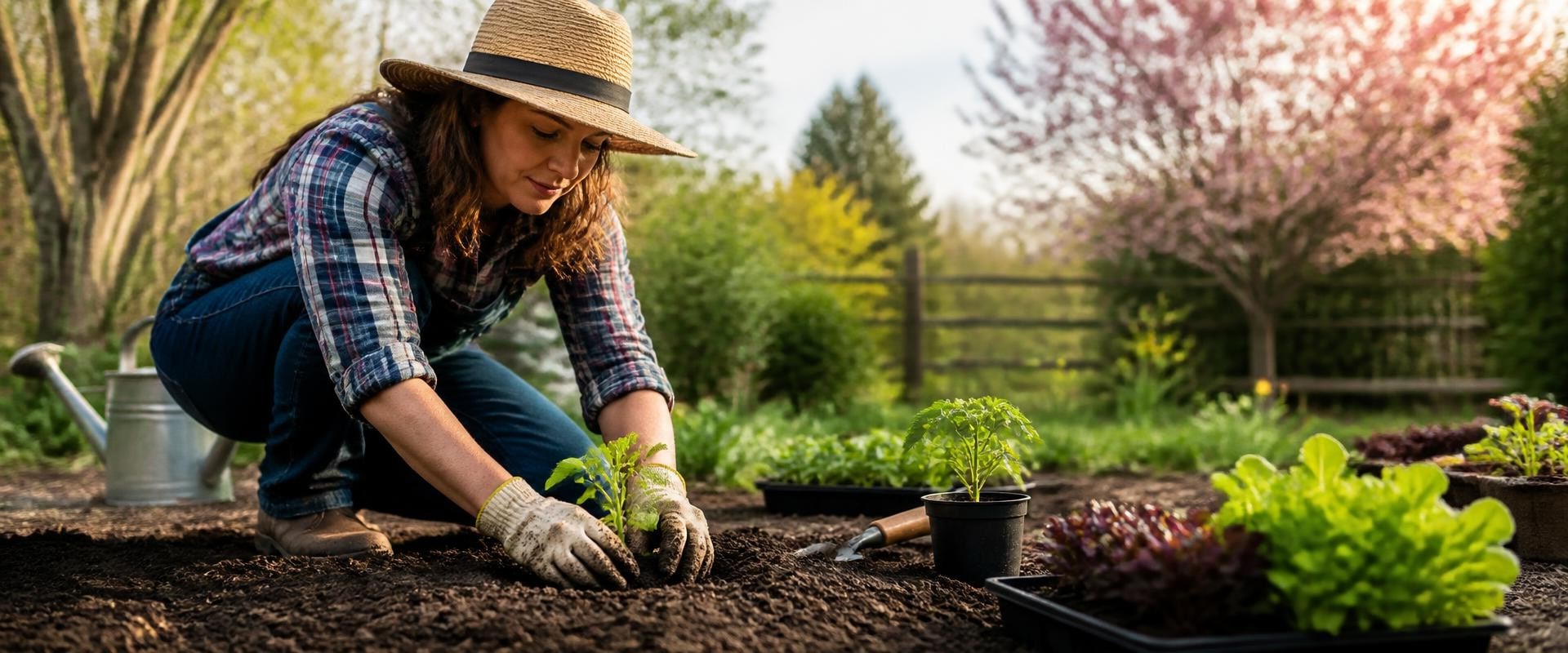
Understanding planting zones is essential for any gardener looking to optimize their planting schedule. In the United States, the USDA hardiness zones serve as a crucial guideline, dividing the country into regions based on climate and temperature. These zones help gardeners determine which plants are most likely to thrive in their specific area, taking into account factors such as average annual minimum temperatures and local weather patterns. The climate zones vary significantly across the U.S., from the frigid winters of the northern states to the mild, temperate conditions of the southern regions. For instance, gardeners in Zone 3 may need to wait until late spring to plant tender vegetables, while those in Zone 9 can often start planting much earlier in the season.
This variation underscores the importance of understanding your local zone when planning your garden. In addition to temperature, other factors such as soil type, moisture levels, and sunlight exposure play a vital role in successful gardening. By familiarizing yourself with these gardening tips, you can make informed decisions about when to plant specific crops or flowers. Knowing your planting zone not only helps you choose the right plants but also ensures that you maximize your gardening efforts throughout the growing season.
Factors Influencing Planting Times
When planning your garden, understanding the factors influencing planting times is crucial for successful growth. Several elements come into play, including soil temperature, last frost dates, and local weather conditions.Soil Temperature
The temperature of the soil is a key indicator of when to plant.Different plants have specific soil temperature requirements for optimal germination. For instance, cool-season crops like peas and lettuce thrive when soil temperatures are between 45°F and 65°F, while warm-season crops such as tomatoes and peppers prefer temperatures above 70°F. To ensure your seeds have the best chance of sprouting, use a soil thermometer to check the temperature before planting.
Frost Dates
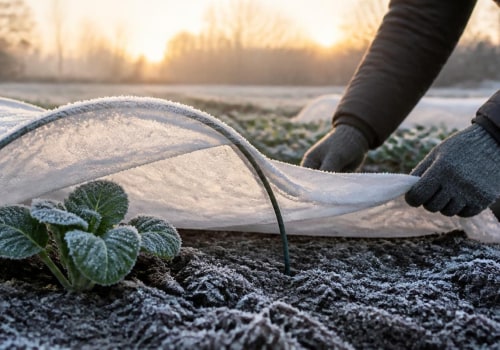
Knowing your area's last frost date in spring is essential for timing your planting. This date varies significantly across the U.S., so it's important to consult local gardening resources or extension services for accurate information.Planting too early can expose young plants to frost damage, while waiting too long may shorten the growing season. A general rule of thumb is to wait until after the last frost date to plant tender vegetables.
Weather Conditions
Local weather patterns also play a significant role in determining when to plant. Unpredictable weather can lead to sudden temperature drops or unexpected rainfall, which can affect soil moisture levels and seed viability. Monitoring long-term forecasts and being aware of seasonal trends in your area can help you make informed decisions about when to start planting.In summary, by considering these factors—soil temperature, frost dates, and weather conditions—you can optimize your planting schedule and increase your chances of a bountiful harvest.Spring Planting: When to Get Started
Spring is a vibrant season that signals the perfect time to kickstart your gardening endeavors.Knowing when to plant in spring can significantly impact the success of your garden. Here are some essential spring planting tips to help you get started.Generally, the last frost date varies across different regions in the U.S., so it’s crucial to check your local climate. Most gardeners aim to start planting after this date, which typically falls between mid-March and late May, depending on your location.
Ideal Planting Dates
- Cool-Season Crops: These include peas, lettuce, and spinach. You can start sowing these seeds as early as 4-6 weeks before the last frost date.
- Warm-Season Crops: Tomatoes, peppers, and cucumbers thrive when planted after the last frost.
Aim for late April to early June for these varieties.
- Flowers: For annual flowers like marigolds and zinnias, wait until after the last frost to ensure they flourish throughout the summer.
- Plan Your Garden Layout: Decide where each plant will go based on sunlight and space requirements.
- Sow Seeds Indoors: For plants like tomatoes and peppers, start seeds indoors 6-8 weeks before the last frost date to give them a head start.
- Transplant Seedlings: Once outdoor temperatures are consistently warm, transplant your seedlings into the garden.
Summer Planting: Extending Your Growing Season
Summer planting offers a unique opportunity for gardeners to extend their growing season and maximize their harvest. While many people think of spring as the primary planting season, late summer gardening can yield a variety of crops that thrive in the warm weather.Summer Planting Tips
include selecting the right crops that can be sown in the heat of the summer months. Some of the best options for late summer planting are:
- Beans: Fast-growing and resilient, beans can be planted in late summer for a quick harvest before the first frost.
- Radishes: These root vegetables mature quickly, making them ideal for summer planting.
They can be harvested in as little as three weeks.
- Leafy Greens: Varieties like spinach, kale, and Swiss chard thrive in cooler temperatures and can be planted in late summer for a fall harvest.
- Squash: Summer squash varieties can still be planted in July and August, providing a bountiful harvest if conditions are right.
- Herbs: Fast-growing herbs such as basil, cilantro, and dill can be sown in summer and will flourish until the first frost.
Regular watering is essential during this time; ensure your plants receive adequate moisture to thrive.By embracing summer planting and choosing the right crops, you can effectively extend your growing season and enjoy a diverse harvest well into the fall.
Fall Planting: Preparing for Winter
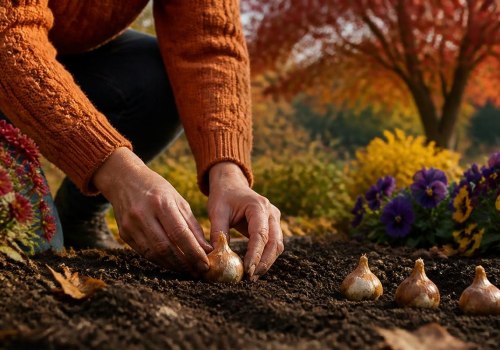
As the days grow shorter and temperatures begin to drop, fall planting becomes a crucial strategy for gardeners looking to maximize their harvest and prepare their gardens for the winter months. Understanding when to plant in fall can significantly impact the success of your garden.One of the key fall planting tips is to focus on crops that thrive in cooler temperatures. These include:- Garlic: Plant garlic cloves in late September to early October for a bountiful harvest the following summer.
- Onions: Fall is an excellent time to plant onion sets, which will establish roots before winter and be ready for an early spring harvest.
- Spinach: This hardy green can be sown in late summer or early fall, allowing it to grow slowly through the winter.
- Kale: Another cold-tolerant vegetable, kale can be planted in early fall and will continue to produce even after frost.
- Cover Crops: Consider planting cover crops like clover or rye to improve soil health and prevent erosion during the winter months.
This allows them enough time to establish roots and become resilient against colder temperatures. Additionally, using row covers or mulch can provide extra protection against frost and help retain soil warmth.In summary, fall planting not only prepares your garden for winter but also sets the stage for an early spring harvest. By selecting the right crops and timing your planting correctly, you can enjoy a thriving garden even as the seasons change.
Winter Planting: Indoor Gardening Options
As winter sets in and outdoor gardening becomes challenging, indoor gardening offers a fantastic opportunity to keep your green thumb active. With the right winter gardening tips, you can cultivate a variety of plants indoors, ensuring that your passion for gardening continues despite the cold.One of the best ways to start is by selecting plants that thrive in indoor conditions during winter.Here are some excellent indoor planting ideas:
- Herbs: Consider growing herbs like basil, parsley, and mint. They not only add flavor to your meals but also thrive in pots on a sunny windowsill.
- Succulents: These low-maintenance plants require minimal water and can adapt well to indoor environments. They come in various shapes and sizes, making them perfect for any decor.
- Houseplants: Popular choices include pothos, snake plants, and peace lilies. These plants are known for their air-purifying qualities and can survive in lower light conditions.
- Microgreens: Fast-growing and packed with nutrients, microgreens can be grown in small containers on your kitchen counter.
They require little space and can be harvested within weeks.
- Light Requirements: Most indoor plants need at least 6 hours of indirect sunlight daily. If natural light is limited, consider using grow lights to supplement.
- Humidity Levels: Indoor heating can dry out the air. Use a humidifier or place a tray of water near your plants to maintain adequate humidity levels.
- Temperature Control: Keep your indoor garden in a stable environment, ideally between 65°F and 75°F. Avoid placing plants near drafts or heating vents.
- Watering Wisely: Overwatering is a common mistake during winter.
Ensure pots have drainage holes and allow the soil to dry slightly between waterings.
Common FAQs About Planting Times
When it comes to planting times, many gardeners have questions that can significantly impact their gardening success. Here are some common FAQs that can help you navigate your planting schedule effectively.What is the best time to plant vegetables?
The ideal time to plant vegetables varies depending on your location and the specific type of vegetable. Generally, cool-season crops like lettuce, peas, and broccoli should be planted in early spring, while warm-season crops such as tomatoes, peppers, and cucumbers thrive when planted after the last frost date, typically in late spring or early summer.How can I determine my last frost date?
Your last frost date is crucial for planning your planting schedule.You can find this information through local agricultural extensions, gardening centers, or online resources that provide climate data specific to your area. Knowing this date helps you avoid planting too early when frost could damage young plants.
Are there specific planting tips for different regions?
- Northern Regions: Focus on cool-season crops in early spring and transition to warm-season crops after the last frost.
- Southern Regions: You can often plant warm-season crops earlier in the spring and may even have a fall planting season.
- Midwestern Regions: Pay attention to soil temperature; many seeds germinate best when soil temperatures reach 60°F or higher.
Can I plant vegetables in containers?
Yes! Container gardening allows for flexibility in planting times. You can start seeds indoors and transplant them outside once the weather is suitable. Additionally, using containers can help extend your growing season by allowing you to move plants to warmer areas if needed.By addressing these common questions about planting times, you can make informed decisions that enhance your gardening experience and yield better results.Remember, local climate conditions play a significant role, so always consider your specific environment when planning your garden.
Conclusion: Key Takeaways on Planting Timing
Understanding the optimal timing for planting is crucial for achieving a successful garden. Throughout this article, we have explored various factors that influence planting times, including climate zones, frost dates, and the specific needs of different plants. Here are the key takeaways to remember:- Know Your Zone: Familiarize yourself with the USDA Plant Hardiness Zone Map to determine your local climate conditions. This will guide you in selecting the right plants for your area.
- Frost Dates Matter: Always check your last frost date in spring and first frost date in fall. These dates are critical for timing your planting to avoid frost damage.
- Seasonal Considerations: Different plants thrive in different seasons.
Cool-season crops like lettuce and peas should be planted early in spring, while warm-season crops like tomatoes and peppers should be planted after the danger of frost has passed.
- Soil Temperature: Soil temperature plays a significant role in seed germination. Use a soil thermometer to ensure that the soil is warm enough for planting, especially for heat-loving plants.
Happy gardening!.