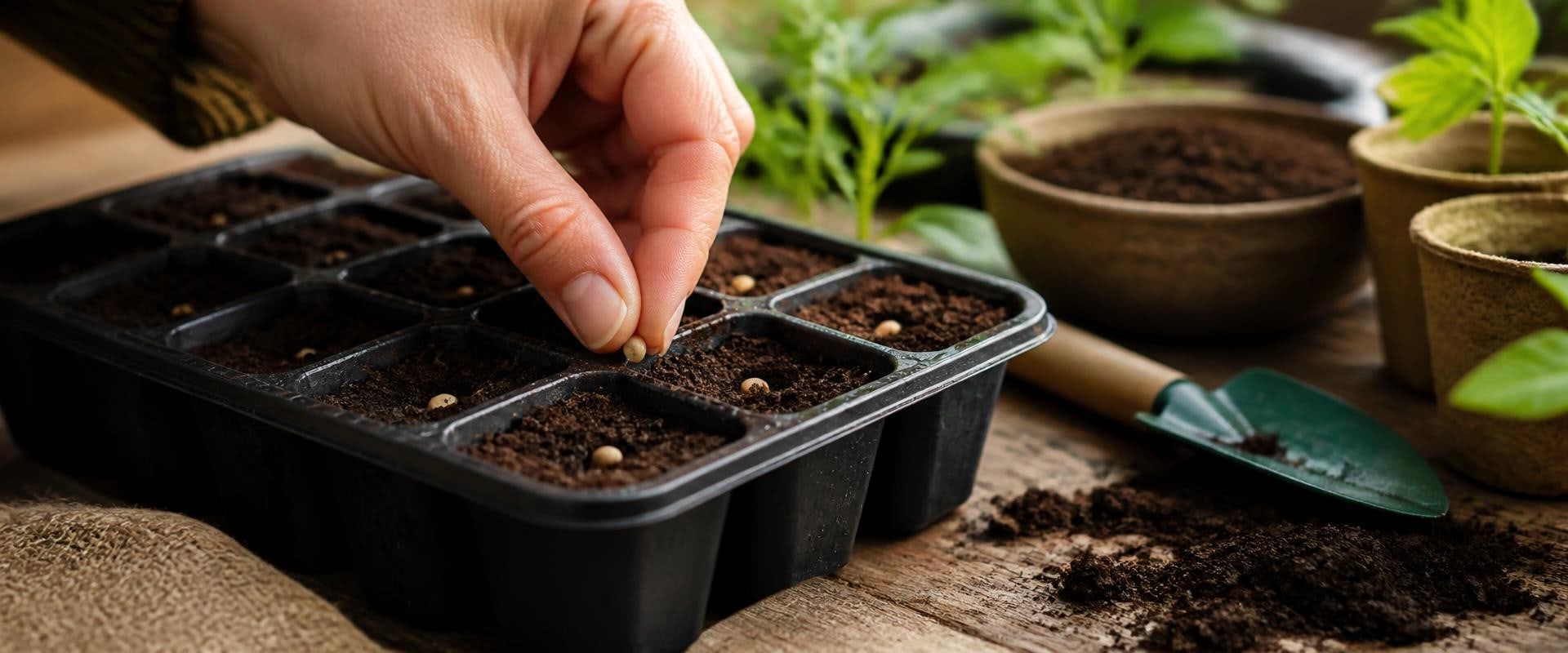
Understanding seed germination is crucial for anyone looking to cultivate a thriving garden. At its core, seed germination is the process by which a seed develops into a new plant. This transformation begins when the seed absorbs water, swells, and breaks through its outer shell, allowing the embryonic plant to emerge. The conditions surrounding this process—such as moisture, temperature, and light—play a pivotal role in determining whether a seed will successfully sprout. The importance of seed germination cannot be overstated.
It serves as the foundation for plant growth and ultimately influences the yield of fruits, vegetables, and flowers. A successful germination process ensures that plants are healthy and robust, ready to face environmental challenges. Understanding how to optimize this phase can significantly enhance your gardening success. As we delve deeper into effective planting tips, it’s essential to recognize that each seed type has unique requirements for germination. Factors such as soil quality, planting depth, and timing can all impact the likelihood of successful sprouting.
By mastering these elements, you can create an environment that fosters strong seedlings and sets the stage for a flourishing garden.
Choosing the Right Seeds
Choosing the right seeds is crucial for successful germination and ultimately, a thriving garden. Here are some essential seed selection tips to consider:- Seed Type: Different plants have varying germination requirements. For instance, some seeds, like tomatoes and peppers, thrive in warm soil, while others, such as lettuce and spinach, prefer cooler temperatures. Research the specific needs of the plants you wish to grow.
- Seed Age: Fresh seeds generally have higher germination rates.
Check the packaging for a packaging date or expiration date. Seeds that are too old may have diminished viability, leading to poor germination.
- Source of Seeds: Purchase seeds from reputable suppliers or local nurseries. This ensures that you are getting high-quality seeds that are suited for your local climate and soil conditions. Avoid buying seeds from unknown sources, as they may not meet quality standards.
- Germination Rate: Look for information on the seed packet regarding the germination rate.
A higher percentage indicates better chances of successful sprouting. Aim for seeds with a germination rate of at least 80%.
- Heirloom vs. Hybrid: Consider whether you want heirloom or hybrid seeds. Heirloom varieties are open-pollinated and can be saved for future planting, while hybrids may offer better disease resistance and yield but often do not produce viable seeds.
Preparing the Soil for Planting
Preparing the soil is a crucial step in ensuring successful seed germination.The right soil not only provides essential nutrients but also creates an optimal environment for seeds to sprout and grow. Here are some key considerations for soil preparation for seeds.
- Soil Type: Different plants thrive in different soil types. Generally, a well-draining loamy soil is ideal for most seeds. It retains moisture while allowing excess water to drain away, preventing root rot.
- Soil pH: The pH level of your soil can significantly affect seed germination.
Most seeds prefer a pH between 6.0 and 7.5.You can test your soil's pH using a simple kit available at garden centers. If your soil is too acidic, consider adding lime; if it's too alkaline, sulfur can help.
- Amending Soil: To create the best conditions for germination, amend your soil with organic matter such as compost or well-rotted manure. This not only improves soil structure but also enhances nutrient availability.
- Tilling: Before planting, till the soil to break up compacted layers and improve aeration. This helps roots penetrate more easily and promotes healthy growth.
- Moisture Levels: Ensure that the soil is adequately moist but not waterlogged before planting seeds.
A good rule of thumb is to check the moisture level by squeezing a handful of soil; it should hold together without dripping water.
- Weed Control: Remove any weeds or debris from the planting area, as they compete with your seeds for nutrients and water.
Optimal Planting Depth and Spacing
Understanding the optimal planting depth and spacing for seeds is crucial for enhancing germination rates and ensuring healthy plant growth. Each type of seed has specific requirements, and adhering to these can significantly impact your gardening success.Planting depth
refers to how deep you bury the seeds in the soil. Generally, a good rule of thumb is to plant seeds at a depth that is about two to three times their diameter. For instance, small seeds like lettuce or carrots should be sown just below the surface, while larger seeds like beans or peas can be planted deeper, around 1 to 2 inches.Planting too deep can hinder germination as seeds may struggle to reach the surface, while planting too shallow can expose them to drying out or being eaten by birds.
Seed spacing
is equally important. Proper spacing allows for adequate air circulation, sunlight exposure, and nutrient access. Crowded plants compete for resources, which can lead to stunted growth and increased susceptibility to diseases. For example, when planting tomatoes, aim for a spacing of 18 to 24 inches apart, while radishes can be spaced closer together at about 1 inch apart. To determine the best depth and spacing for your specific seeds, consult the seed packet or reliable gardening resources.Additionally, consider factors such as soil type and climate conditions, as these can also influence how deep and how far apart you should plant your seeds. In summary, paying attention to planting depth and seed spacing not only promotes better germination rates but also contributes to the overall health and productivity of your garden. By following these guidelines, you can create an optimal environment for your plants to thrive.
Watering Techniques for Seed Germination
Effective watering techniques are crucial for successful seed germination. Proper moisture levels can significantly influence the speed and success of germination, while overwatering can lead to seed rot and fungal diseases.How Much Water for Germination?
- Seeds require consistent moisture, but not saturation. A good rule of thumb is to keep the soil evenly moist, similar to a damp sponge.
- Generally, seeds need about 1 inch of water per week, but this can vary based on soil type and environmental conditions.
- Use a moisture meter or your finger to check the soil; it should feel moist but not soggy.
Watering Tips for Seedlings
- Water gently: Use a fine spray or a watering can with a rose attachment to avoid displacing seeds.
- Timing is key: Water in the early morning or late afternoon to minimize evaporation and allow seedlings to absorb moisture effectively.
- Avoid overhead watering: This can lead to fungal issues; instead, water at the base of the plants.
- Mulch: Applying a thin layer of mulch can help retain moisture in the soil and reduce the frequency of watering.
Adjust your watering schedule based on weather conditions; for instance, increase watering during hot, dry spells and reduce it during cooler, wetter periods. By implementing these watering tips, you can create an optimal environment for seed germination and promote healthy plant growth.
Temperature and Light Requirements
Understanding the temperature and light requirements for seed germination is crucial for successful planting. Different seeds have varying needs, and providing the right conditions can significantly enhance germination rates.Temperature for Seed Germination
- Warm-Season Seeds: Most warm-season crops, such as tomatoes and peppers, thrive in temperatures between 70°F and 85°F (21°C to 29°C). These seeds require warmth to activate their metabolic processes.
- Cool-Season Seeds: In contrast, cool-season crops like lettuce and peas prefer cooler temperatures, typically ranging from 50°F to 65°F (10°C to 18°C).
Planting these seeds too early in warm soil can lead to poor germination.
- Optimal Conditions: For many seeds, maintaining a consistent temperature is key. Fluctuations can stress the seeds and hinder their ability to sprout. Using a seedling heat mat can help maintain the ideal temperature range.
Light Requirements for Seedlings
- Light Exposure: Once seeds germinate, they require adequate light to grow strong. Most seedlings need about 12 to 16 hours of light per day.
Natural sunlight is ideal, but if that’s not possible, consider using grow lights.
- Avoiding Legginess: Insufficient light can cause seedlings to become leggy, stretching towards the light source. To prevent this, ensure they receive enough light and rotate them regularly if using artificial lighting.
- Timing of Light: For some seeds, exposure to light during germination is beneficial, while others prefer darkness. Always check specific seed packets for guidance on whether to cover seeds or expose them to light immediately.
Using Seedling Trays and Containers
Using seedling trays and containers is an effective way to enhance seed germination, especially for gardeners with limited space or those starting seeds indoors. These tools provide a controlled environment that can significantly improve the success rate of your seedlings.Benefits of Seedling Trays
- Space Efficiency: Seedling trays allow you to maximize your growing area.
With multiple cells in one tray, you can start numerous seeds without requiring a large footprint.
- Improved Drainage: Most seedling trays come with drainage holes, preventing waterlogging and promoting healthy root development.
- Temperature Control: Trays can be placed in a warm location, helping to maintain optimal temperatures for germination.
- Select the Right Size: Choose containers that are deep enough to accommodate the root systems of your plants. Generally, 3-4 inches deep is suitable for most seedlings.
- Use Quality Potting Mix: A well-draining potting mix enriched with nutrients will provide the best start for your seeds.
- Water Wisely: Ensure that the soil remains moist but not soggy. Overwatering can lead to damping-off disease, which is detrimental to young seedlings.
This allows seedlings ample time to grow strong before being transplanted outdoors. Additionally, consider using a grow light if natural sunlight is insufficient; this will help prevent leggy growth and ensure robust plants.In conclusion, utilizing seedling trays and containers not only optimizes space but also creates an ideal environment for seed germination. By following these planting tips, you can increase your chances of cultivating healthy and thriving plants.
Common Mistakes to Avoid in Seed Germination
When it comes to seed germination, even seasoned gardeners can fall prey to common mistakes that hinder their success. Understanding these pitfalls is crucial for ensuring a healthy start for your plants.1.Overwatering
One of the most frequent errors is overwatering.Seeds require moisture to germinate, but too much water can lead to rot. It's essential to keep the soil consistently moist but not soggy. A good rule of thumb is to check the top inch of soil; if it feels dry, it’s time to water.
2.Poor Soil Quality
The quality of the soil plays a significant role in seed germination. Using poor-quality soil can lead to nutrient deficiencies and poor drainage.Always opt for a high-quality seed-starting mix that provides the right balance of nutrients and aeration.
3.Incorrect Temperature
Temperature is another critical factor. Many seeds have specific temperature ranges for optimal germination. If the soil is too cold or too hot, seeds may fail to sprout. Use a thermometer to monitor soil temperature and consider using heat mats for warmth if necessary.4.Neglecting Light Requirements
After germination, seedlings need adequate light to thrive.A common mistake is placing them in low-light conditions, which can lead to leggy growth and weak plants. Ensure your seedlings receive at least 12-16 hours of light daily, either from natural sunlight or grow lights.
5.Planting Depth Errors
Planting seeds at the wrong depth can also cause issues. Some seeds need light to germinate and should be sown on the surface, while others require burying at specific depths. Always refer to the seed packet for guidance on planting depth.6.Ignoring Seed Viability
Lastly, using old or improperly stored seeds can lead to seed failure.Always check the expiration date on seed packets and store them in a cool, dry place to maintain viability. By avoiding these common mistakes, you can significantly improve your chances of successful seed germination and set the stage for a thriving garden.
Frequently Asked Questions about Seed Germination
Seed germination can often raise questions for both novice and experienced gardeners. Here are some common questions and their answers to help you navigate the process more effectively.What factors affect seed germination?
Several key factors influence the success of seed germination:- Moisture: Seeds require adequate moisture to activate enzymes that kickstart the germination process.
- Temperature: Each seed type has an optimal temperature range for germination. Generally, warmer temperatures promote faster germination.
- Light: Some seeds need light to germinate, while others require darkness. Check the specific needs of your seeds.
- Soil Quality: Well-draining soil rich in nutrients supports healthy seedling growth.
How long does it take for seeds to germinate?
The time it takes for seeds to germinate varies widely depending on the species.Most seeds will sprout within 7 to 14 days, but some may take longer. Always refer to the seed packet for specific information.
What should I do if my seeds aren't germinating?
If your seeds are not germinating, consider the following troubleshooting tips:- Check Moisture Levels: Ensure that the soil is consistently moist but not waterlogged.
- Assess Temperature: Verify that the temperature is within the recommended range for your specific seeds.
- Evaluate Soil Quality: Poor soil can hinder germination; consider using a seed-starting mix.
- Inspect Seed Viability: Old or improperly stored seeds may have reduced viability. Conduct a simple germination test with a few seeds to check their health.
Conclusion: Key Takeaways on Planting Tips for Seed Germination
In conclusion, successfully achieving seed germination hinges on a variety of planting tips that cater to the specific needs of your seeds. By understanding and implementing these strategies, you can significantly enhance your chances of a thriving garden.Key takeaways include:- Choosing the Right Seeds: Always select seeds that are suitable for your climate and soil type.
This foundational step sets the stage for successful germination.
- Soil Preparation: Ensure that your soil is well-aerated and rich in nutrients. A good mix of organic matter can improve moisture retention and provide essential nutrients.
- Watering Techniques: Proper watering is crucial. Avoid overwatering, which can lead to rot, and ensure that the soil remains consistently moist but not soggy.
- Temperature Control: Most seeds require a specific temperature range to germinate effectively. Monitor soil temperature and consider using row covers or greenhouses to maintain warmth.
- Light Requirements: Some seeds need light to germinate, while others prefer darkness.
Research the light requirements for your specific seeds to optimize their growth conditions.