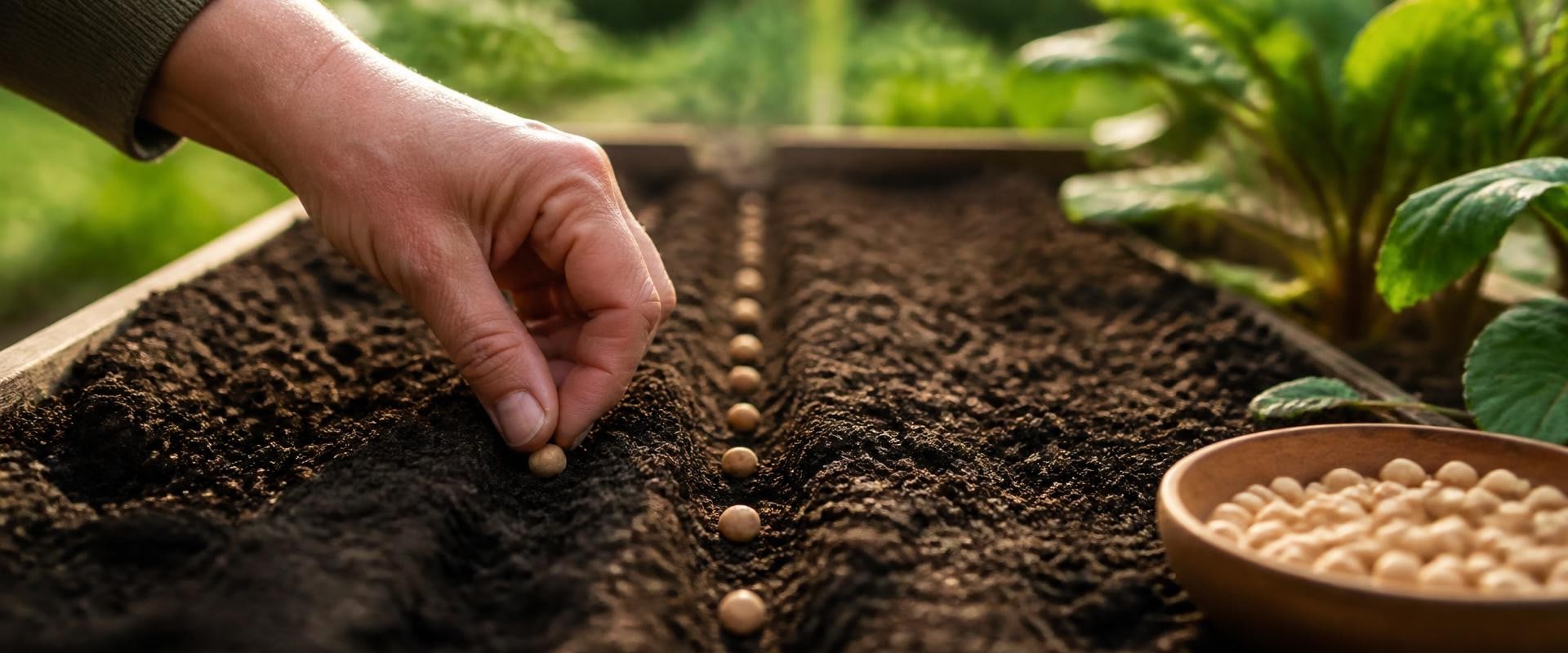
When it comes to planting seeds, understanding the depth requirements is crucial for successful germination and healthy plant growth. Each type of seed has its own specific needs, influenced by factors such as size, type, and the environmental conditions in which they are planted. Planting seeds too deep can hinder their ability to reach the surface, while planting them too shallow may expose them to harsh conditions that can impede their growth. The general rule of thumb for how deep to plant seeds is to bury them at a depth that is approximately two to three times their diameter. For instance, small seeds like lettuce or carrots should be sown just below the surface, while larger seeds such as beans or peas can be planted deeper.
This guideline helps ensure that seeds have enough soil coverage to retain moisture while still being close enough to the surface for light and warmth, both of which are essential for germination. Moreover, understanding the specific planting tips for different seeds can significantly enhance your gardening success. Factors such as soil type, moisture levels, and temperature all play a role in determining the optimal planting depth. By paying attention to these details and adjusting your planting techniques accordingly, you can create an environment that fosters robust growth and maximizes your yield.
Factors Influencing Seed Planting Depth
When it comes to planting seeds, understanding the various factors that influence the appropriate depth is crucial for successful germination and growth. Here are some key elements to consider:- Soil Type: The composition of your soil plays a significant role in determining how deep you should plant your seeds.
For instance, sandy soils drain quickly and may require seeds to be planted slightly deeper to retain moisture. In contrast, clay soils hold moisture well but can become compacted, making it essential to plant seeds at the recommended depth to avoid waterlogging.
- Seed Size: The size of the seed is another critical factor. Larger seeds, such as those from beans or peas, can be planted deeper—typically around 1 to 2 inches—because they have enough energy stored to push through the soil. Smaller seeds, like those from lettuce or carrots, should be sown closer to the surface, often just beneath the soil layer, as they require less energy to germinate.
- Moisture Levels: Adequate moisture is vital for seed germination.
If the soil is too dry, planting seeds deeper may hinder their ability to absorb water. Conversely, if the soil is overly wet, shallow planting can lead to rot. Always check the moisture levels before planting and adjust your depth accordingly.
General Guidelines for Planting Seeds
When it comes to planting seeds, understanding the appropriate depth is crucial for ensuring successful germination and healthy plant growth.Different types of seeds have varying requirements, and adhering to these guidelines can significantly enhance your gardening experience.Here are some general guidelines to consider when planting seeds:
- Seed Size: Larger seeds, such as beans and peas, typically require deeper planting than smaller seeds like lettuce or carrots.
- Soil Type: Well-draining soil allows for better root development. If your soil retains too much moisture, consider planting seeds slightly shallower.
- Moisture Levels: Ensure the soil is adequately moist before planting. This helps with seed expansion and promotes quicker germination.
- Lettuce: 1/8 inch deep
- Carrots: 1/4 inch deep
- Radishes: 1/2 inch deep
- Beans: 1-2 inches deep
- Cucumbers: 1 inch deep
- Tomatoes: 1/4 to 1/2 inch deep
Following these planting tips will help ensure that your seeds have the best chance of thriving in your garden.
Specific Seed Types and Their Depth Requirements
When it comes to planting seeds, understanding the specific depth requirements for different types of seeds is crucial for successful germination and growth. Each seed type has its own unique needs, which can significantly affect your garden's yield.Vegetable Seeds Depth
Vegetable seeds generally require varying depths based on their size and type. Here are some common vegetable seeds and their recommended planting depths:- Carrots: ¼ to ½ inch deep
- Beans: 1 to 2 inches deep
- Tomatoes: ¼ to ½ inch deep (can be planted deeper for stronger roots)
- Lettuce: ¼ inch deep (light-sensitive, so do not cover too deeply)
Flower Seeds Depth
Flower seeds also have specific depth requirements that vary widely. Here are a few examples:- Sunflowers: 1 to 2 inches deep
- Pansies: ¼ inch deep
- Zinnias: ¼ to ½ inch deep
Herbs Seeds Depth
Herbs are another category where depth matters.Consider these common herbs:
- Basil: ¼ inch deep
- Cilantro: ½ inch deep
- Dill: ¼ to ½ inch deep
Common Mistakes in Seed Planting Depth
When it comes to planting tips, understanding the correct depth for seed planting is crucial. Many gardeners, both novice and experienced, often make common mistakes that can hinder seed germination and plant growth. Here are some of the most frequent errors related to seed depth:- Planting Too Deep: One of the most prevalent mistakes is planting seeds too deep. Each seed type has a specific depth requirement, and exceeding this can prevent seeds from receiving adequate light and oxygen.
For instance, tiny seeds like lettuce should be sown just below the surface, while larger seeds like beans can be planted deeper.
- Ignoring Seed Packet Instructions: Seed packets provide essential information about optimal planting depth. Ignoring these guidelines can lead to seed depth errors. Always refer to the packet for specific recommendations tailored to the seed variety.
- Not Considering Soil Type: The type of soil can also affect how deep you should plant your seeds. In sandy soils, seeds may need to be planted slightly deeper than in clay soils, which retain moisture better.
Failing to adjust for soil type can result in poor germination rates.
- Overcrowding Seeds: Planting seeds too close together can lead to competition for nutrients and light, which may cause some seeds to fail to germinate. Ensure you follow spacing guidelines as well as depth recommendations.
FAQs About Seed Planting Depth
When it comes to seed planting depth, many gardeners have questions that can significantly impact their success.Here are some of the most frequently asked questions regarding this essential gardening tip:
- How deep should I plant my seeds?
The general rule of thumb is to plant seeds at a depth that is about two to three times their diameter. For example, small seeds like lettuce should be sown just below the surface, while larger seeds like beans can be planted deeper, around 1-2 inches. - What happens if I plant seeds too deep?
Planting seeds too deep can hinder their ability to germinate. The seed may struggle to break through the soil, leading to poor growth or failure to sprout altogether. - Can I plant seeds too shallow?
Yes, planting seeds too shallow can expose them to drying out or being washed away by rain. It’s crucial to ensure they are adequately covered with soil for optimal moisture retention. - Are there specific depths for different types of seeds?
Absolutely! Different seeds have varying requirements.For instance, tiny seeds like petunias should be surface-sown, while larger seeds like corn should be planted about 1-2 inches deep. Always check the seed packet for specific recommendations.
- How does soil type affect planting depth?
Soil type plays a significant role in seed planting depth. Sandy soils drain quickly and may require slightly deeper planting, while clay soils retain moisture and may allow for shallower planting.
Conclusion: Key Takeaways on Seed Planting Depth
In summary, understanding the depth at which to plant your seeds is crucial for successful gardening.The right planting depth can significantly influence seed germination and overall plant health. Here are the key takeaways to remember:
- Seed Size Matters: Larger seeds generally require deeper planting compared to smaller seeds. For instance, beans and peas thrive when planted about 1-2 inches deep, while tiny seeds like lettuce should be sown just below the surface.
- Soil Type: The composition of your soil can affect moisture retention and temperature. Sandy soils may necessitate deeper planting to ensure seeds remain moist, while clay soils might require shallower depths to avoid waterlogging.
- Environmental Conditions: Consider your local climate and weather patterns.
In cooler regions, planting seeds slightly deeper can help protect them from frost, while in warmer areas, shallower planting may be beneficial to promote quicker germination.
- Follow Seed Packet Instructions: Always refer to the guidelines provided on seed packets. These instructions are tailored for specific varieties and offer the best advice on optimal planting depth.