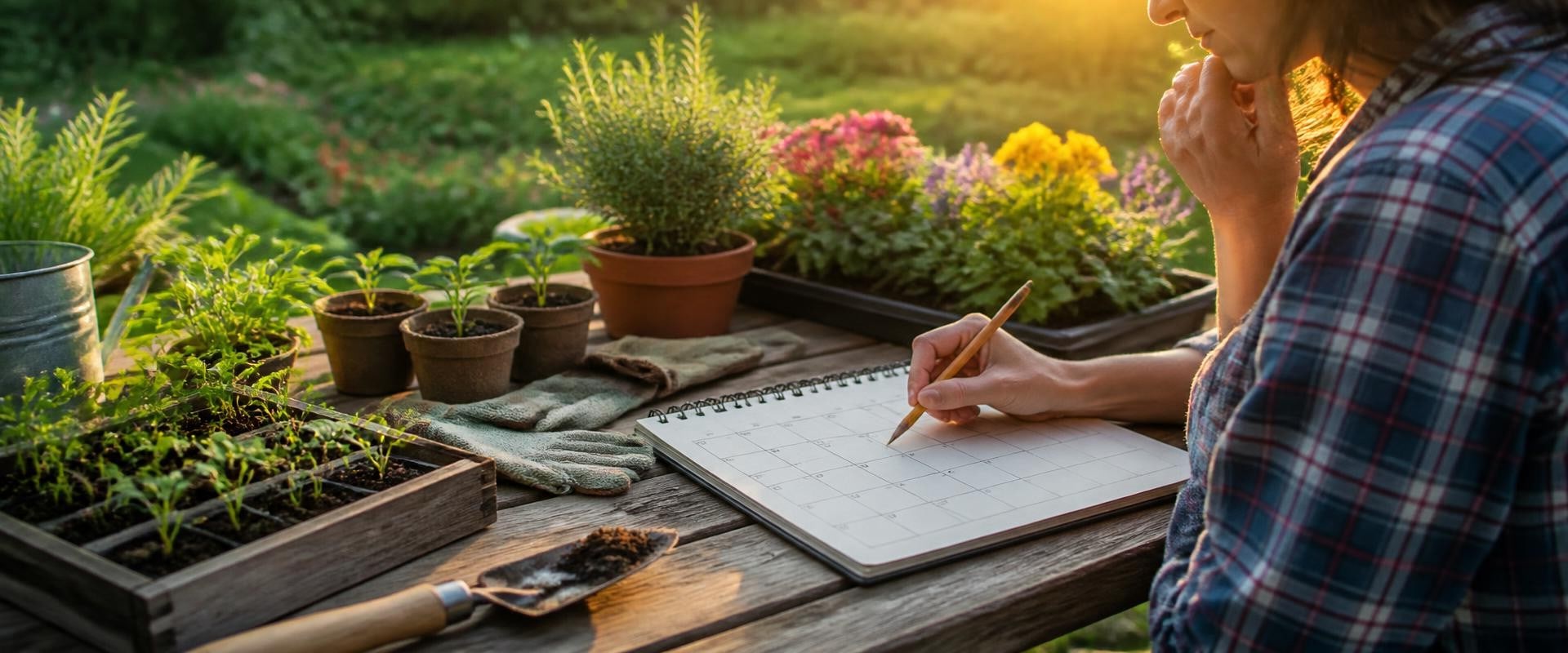
Creating a planting schedule is a fundamental aspect of successful gardening and agriculture that often goes overlooked. Understanding the importance of a planting schedule can significantly enhance your gardening experience, leading to healthier plants and more abundant yields. A well-structured schedule allows you to plan your planting activities according to seasonal changes, ensuring that you sow seeds at the optimal time for growth. This foresight not only maximizes your garden's productivity but also minimizes the risk of crop failure due to unfavorable weather conditions. The benefits of having a planting schedule extend beyond mere timing.
By organizing your planting tasks, you can effectively manage resources such as water, fertilizer, and space. This strategic approach helps in preventing overcrowding and competition among plants, which can hinder their growth. Additionally, a planting schedule enables you to rotate crops effectively, reducing the likelihood of pests and diseases that thrive in monoculture systems. With these planting tips, you can cultivate a thriving garden that yields fresh produce throughout the growing season. Moreover, a planting schedule serves as a valuable tool for novice and experienced gardeners alike.
It provides a clear roadmap for what to plant and when, making it easier to track progress and make adjustments as needed. Whether you're growing vegetables, herbs, or flowers, understanding the timing and requirements of each plant type is crucial for achieving your gardening goals. In essence, a thoughtful planting schedule is not just a list of tasks; it is an essential strategy for cultivating a flourishing garden.
Factors to Consider When Creating a Planting Schedule
Creating an effective planting schedule requires careful consideration of several key factors that can significantly impact the success of your garden. Understanding these elements will help you optimize your planting times and ensure healthy plant growth.- Climate Considerations: One of the most critical factors in establishing a planting schedule is your local climate.
Different plants thrive in specific temperature ranges and weather conditions. Research your hardiness zone to determine which plants are best suited for your area. For instance, cool-season crops like lettuce and peas should be planted in early spring or fall, while warm-season crops such as tomatoes and peppers prefer to be planted after the last frost.
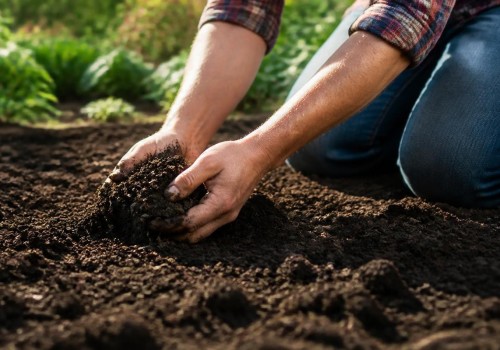
- Soil Type: The type of soil in your garden can also influence when and what you plant. Different soil types—such as sandy, clay, or loamy—have varying drainage capabilities and nutrient levels.
Conduct a soil test to understand its pH and nutrient content, which will guide you in selecting plants that will thrive in your specific soil conditions. For example, root vegetables like carrots do well in loose, sandy soils, while heavy feeders like corn may require richer, loamy soils.
- Plant Compatibility: Not all plants grow well together; some may compete for nutrients or attract pests that can harm neighboring plants. This concept, known as companion planting, is essential when creating a planting schedule. For instance, planting basil near tomatoes can enhance their growth and flavor, while certain plants like onions can deter pests from carrots.
Research compatible plant pairings to maximize your garden's productivity.
How to Determine Your Last Frost Date
Determining your last frost date is a crucial step in creating an effective planting schedule. This date marks the point in spring when the risk of frost has significantly decreased, allowing you to safely plant your seeds outdoors. Here’s how you can find and calculate your last frost date:- Check Local Resources: Many agricultural extensions or local gardening clubs provide information on average last frost dates for specific regions. Websites like the USDA Plant Hardiness Zone Map can also be helpful.
- Historical Weather Data: Look at historical weather data for your area.
You can find this information through local meteorological services or online databases. Pay attention to the last frost dates over several years to identify a pattern.
- Use Online Tools: There are various online calculators and tools that allow you to input your zip code to find your last frost date. These tools often take into account local climate variations.
- Start Seeds Indoors: If you plan to start seeds indoors, count back from your last frost date. Most seeds need 6-8 weeks of indoor growth before being transplanted outdoors.
- Direct Sowing Outdoors: For crops that can be directly sown into the garden, wait until after the last frost date to ensure they have the best chance of thriving.
- Consider Microclimates: Be aware that certain areas in your garden may experience different temperatures due to factors like shade or elevation.
Adjust your planting schedule accordingly if you notice these variations.
Creating a Seasonal Planting Calendar
Creating a seasonal planting calendar is an essential step for any gardener looking to maximize their yield and ensure healthy plant growth. By understanding your local climate and the specific needs of various plants, you can develop a tailored schedule that aligns with seasonal changes.To start, consider the following steps:- Research Your Climate Zone: Identify your USDA Plant Hardiness Zone, which will guide you on what plants thrive in your area. This information is crucial for determining the best planting times.
- Choose Your Plants: Select a variety of plants that are suitable for each season.
For example, cool-season crops like lettuce and peas can be planted in early spring, while warm-season crops like tomatoes and peppers should be planted after the last frost.
- Create a Timeline: Develop a timeline that outlines when to start seeds indoors, when to transplant seedlings outdoors, and when to harvest. This can be done using a simple planting calendar template, which can be found online or created using a spreadsheet.
- Consider Succession Planting: To maximize your garden's productivity, plan for succession planting. This involves staggering plantings of the same crop at intervals to ensure continuous harvest throughout the season.
- Spring: Focus on planting cool-season vegetables and herbs. Start seeds indoors for warm-season crops.
- Summer: Plant warm-season crops and consider adding quick-growing varieties like radishes or bush beans for mid-summer harvests.
- Fall: Transition to planting fall crops such as kale and garlic, which can be harvested in late fall or early spring.
- Winter: Use this time to plan for the next growing season.
Consider starting a compost pile or researching new plants to try.
Companion Planting: Maximizing Your Garden's Potential
Companion planting is a gardening technique that involves growing different plants in proximity for mutual benefit. This method not only maximizes your garden's potential but also enhances the overall health and productivity of your plants. By understanding companion planting tips, you can create a thriving ecosystem in your garden.Benefits of Companion Planting
- Pest Control: Certain plants can repel pests that would otherwise harm their neighbors. For example, planting marigolds alongside vegetables can deter nematodes and aphids.
- Nutrient Enhancement: Some plants, like legumes, fix nitrogen in the soil, benefiting nearby crops that require this essential nutrient.
- Improved Pollination: By attracting beneficial insects, such as bees and butterflies, companion plants can enhance pollination rates for flowering crops.
- Space Optimization: Taller plants can provide shade for shorter ones, allowing you to maximize vertical space in your garden.
Planting Tips for Companion Plants
- Tomatoes and Basil: This classic pairing not only enhances the flavor of tomatoes but also helps repel pests like whiteflies.
- Corn and Beans: Corn provides a natural support structure for climbing beans, while beans enrich the soil with nitrogen.
- Carrots and Onions: These two crops can help each other by masking their scents from pests that target one or the other.
- Cucumbers and Nasturtiums: Nasturtiums act as a trap crop, luring aphids away from cucumbers while also providing edible flowers.
Experiment with different pairings to discover what works best in your specific environment, and watch your garden flourish!
Using Technology to Enhance Your Planting Schedule
In today's digital age, leveraging technology can significantly enhance your gardening experience, particularly when it comes to creating an effective planting schedule. Various gardening technology tools and apps are available that can help you plan, track, and optimize your planting activities.Planting Schedule Apps
- Garden Planner: This app allows you to design your garden layout and provides reminders for planting dates based on your local climate. You can customize your schedule according to the specific plants you want to grow.
- GrowIt: A social gardening app that connects you with other gardeners in your area. It offers personalized planting schedules based on your location and the plants you choose.
- Planter: This app helps you create a planting calendar tailored to your garden's needs.
It includes features for tracking growth and harvesting times, ensuring you stay on top of your gardening tasks.
Digital Gardening Tools
In addition to apps, there are several digital tools that can assist in managing your planting schedule:
- Smart Sensors: Devices like soil moisture sensors can provide real-time data about your garden's conditions, helping you decide when to plant or water.
- Weather Apps: Utilizing weather forecasting apps can help you anticipate changes in climate that may affect your planting schedule. Knowing when frost is expected or when rain is forecasted can be crucial for timing your planting.
- Online Gardening Communities: Engaging with online forums or social media groups dedicated to gardening can provide valuable insights and tips from experienced gardeners about optimal planting times and techniques.
Common Mistakes to Avoid When Planning Your Planting Schedule
Creating a planting schedule can be a rewarding endeavor, but many gardeners fall into common traps that can hinder their success. Here are some common mistakes to avoid when planning your planting schedule:- Ignoring Local Climate: One of the biggest errors is not considering your local climate and growing zone.
Each region has its own planting times based on frost dates and seasonal changes. Research your area’s climate to determine the best times for planting.
- Overlooking Crop Rotation: Failing to implement crop rotation can lead to soil depletion and increased pest problems. Plan your schedule to rotate crops each season, which helps maintain soil health and reduces disease risk.
- Planting Too Early or Late: Timing is crucial in gardening. Planting too early can expose young plants to frost, while planting too late may not allow enough time for growth before the season ends.
Use a planting calendar specific to your region to avoid this mistake.
- Neglecting Companion Planting: Some plants thrive when grown together, while others can hinder each other’s growth. Familiarize yourself with companion planting techniques to maximize your garden’s potential.
- Not Accounting for Growth Time: Each plant has its own growth rate and maturity time. Failing to account for this can lead to overcrowding or missed harvests. Make sure to research each plant’s requirements and plan accordingly.
Remember, careful planning is key to successful gardening!
FAQs About Creating a Planting Schedule
Creating a planting schedule can seem daunting, but addressing common questions can simplify the process. Here are some frequently asked questions about planting schedules:- What is a planting schedule?
A planting schedule is a timeline that outlines when to plant different seeds or seedlings based on their specific growing requirements and local climate conditions. - Why is it important to have a planting schedule?
A well-structured planting schedule helps ensure that plants are sown at the right time, maximizing their growth potential and yield. It also aids in managing garden space effectively. - How do I determine the best planting times?
Consider your local frost dates, the specific needs of each plant variety, and seasonal weather patterns. Resources like local extension services or gardening apps can provide tailored advice. - Can I plant all vegetables at the same time?
No, different vegetables have varying requirements for sunlight, temperature, and moisture.Some may thrive in cooler temperatures while others prefer warmth. Refer to your planting schedule for optimal timing.
- What tools can help me create a planting schedule?
Gardening planners, spreadsheets, or dedicated gardening apps can assist in organizing your planting dates and tracking progress throughout the growing season.
Conclusion: Crafting Your Ideal Planting Schedule for Success
In conclusion, creating a well-structured planting schedule is essential for achieving a thriving garden. By following the planting tips outlined in this article, you can ensure that your plants receive the right care at the right time, maximizing their growth potential.To recap, here are the key steps to crafting your ideal planting schedule:- Understand Your Climate: Knowing your hardiness zone helps you select the right plants for your area and determine the best planting times.
- Plan for Seasonal Changes: Consider the seasonal variations in temperature and rainfall to optimize your planting dates.
- Utilize Companion Planting: Incorporating companion planting strategies can enhance growth and deter pests, making your garden more productive.
- Keep a Garden Journal: Documenting your planting dates, growth patterns, and any challenges faced will help refine your schedule in future seasons.
Nature can be unpredictable, so be prepared to adjust your schedule based on weather conditions or unexpected challenges. Regularly reviewing and updating your planting schedule will not only improve your gardening skills but also lead to more fruitful harvests.Ultimately, a thoughtful planting schedule is not just a list of dates; it’s a roadmap to gardening success. By implementing these planting tips, you’ll cultivate not only plants but also a deeper connection with nature and the satisfaction of nurturing life from seed to harvest.