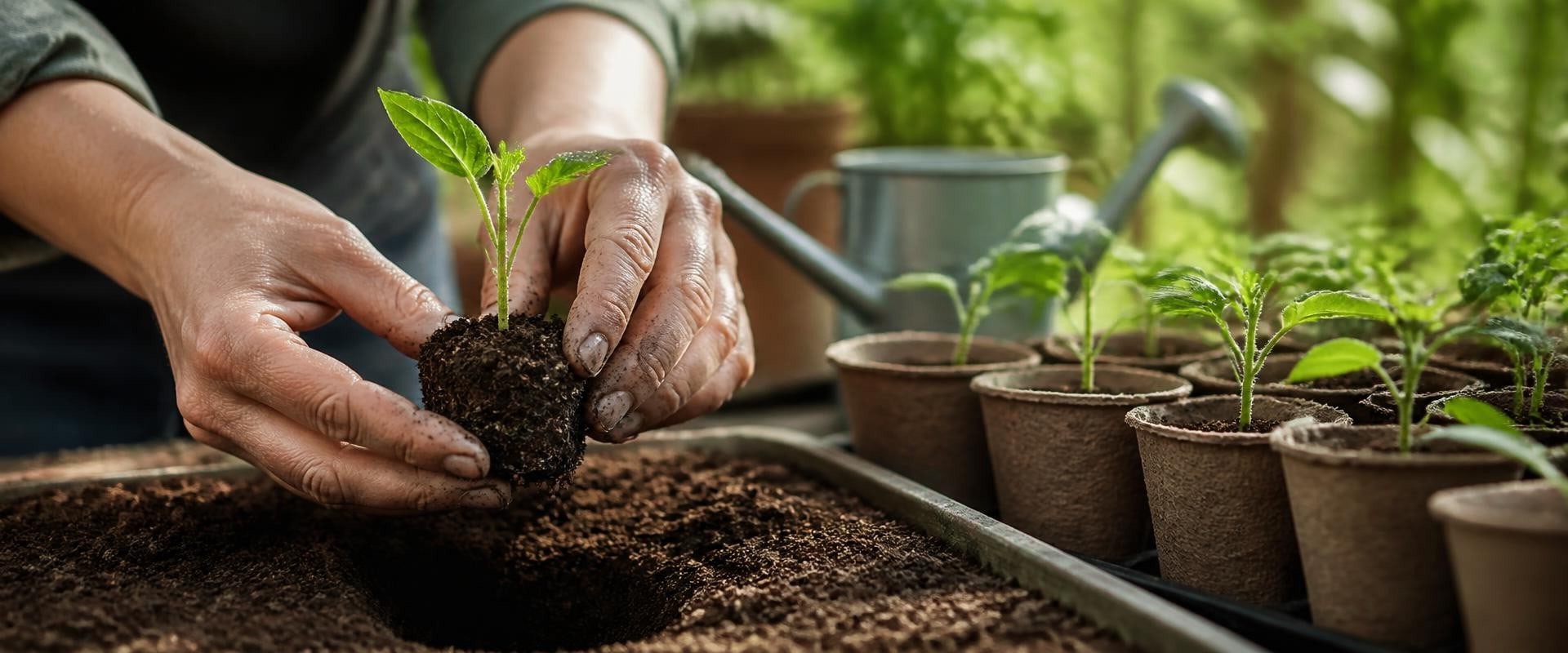
Understanding the seedling growth stages is essential for any gardener looking to successfully transplant their young plants. Seedlings go through several distinct phases, each characterized by specific growth patterns and developmental milestones. Typically, the journey begins with germination, where seeds absorb moisture and swell, eventually breaking through the soil surface. This initial stage is crucial as it sets the foundation for healthy growth. As seedlings emerge, they enter the seedling development phase, marked by the formation of true leaves.
These leaves are vital for photosynthesis, allowing the plant to produce energy and grow stronger. During this period, it's important to monitor your seedlings closely. Signs of healthy growth include vibrant green leaves and sturdy stems. Conversely, yellowing leaves or leggy growth can indicate that your seedlings are either stressed or not receiving adequate light. Knowing when to transplant seedlings hinges on recognizing these growth stages.
Generally, seedlings are ready for transplanting when they have developed at least two sets of true leaves and have a robust root system. This readiness is often indicated by roots beginning to outgrow their containers or when seedlings become top-heavy. By understanding these signs and timelines, you can ensure that your plants transition smoothly into their new environment, setting them up for a successful growing season.
Signs Your Seedlings Are Ready to Transplant
Knowing when to transplant your seedlings is crucial for their growth and overall health. Here are some key indicators that your seedlings are ready for this important step:- Root Development: One of the most telling signs is the root system.
If you notice roots starting to emerge from the drainage holes at the bottom of the container, it’s a clear indication that your seedlings are becoming root-bound and need more space.
- Leaf Growth: Healthy seedlings typically have at least two sets of true leaves. These leaves are essential for photosynthesis and indicate that the plant is strong enough to handle the stress of transplanting.
- Overall Health: Examine your seedlings for any signs of distress. If they appear leggy, yellowing, or stunted, it may be time to transplant them into larger pots or directly into the garden. Healthy seedlings should have vibrant green leaves and sturdy stems.
- Size of Seedlings: Generally, seedlings should be around 3 to 4 inches tall before transplanting.
This size ensures they have developed enough strength to survive the transition.
- Weather Conditions: Consider the weather as well. Transplanting should ideally occur on a cloudy day or in the late afternoon to minimize stress from direct sunlight.
Optimal Timing for Transplanting Seedlings
Determining the optimal timing for transplanting seedlings is crucial for ensuring their successful growth. The best time to transplant seedlings largely depends on the type of plants you are growing and the climate in your region. Generally, the ideal time for transplanting is when seedlings have developed a strong root system and are about 2-4 inches tall.This usually occurs:
- For Cool-Season Crops: Early spring or late summer is best for crops like lettuce, broccoli, and peas. These plants thrive in cooler temperatures.
- For Warm-Season Crops: Wait until after the last frost date in your area, typically in late spring, for crops such as tomatoes, peppers, and cucumbers.
- Weather Conditions: Transplant on a cloudy day or in the late afternoon to minimize stress on the seedlings from direct sunlight.
- Soil Temperature: Ensure that the soil temperature is appropriate for your seedlings. Most warm-season crops prefer soil temperatures above 60°F.
- Moisture Levels: Transplant when the soil is moist but not waterlogged. This helps reduce transplant shock and encourages root establishment.
Remember that seasonal transplanting advice can vary based on local climate conditions, so always check local gardening resources for specific recommendations tailored to your area.
Preparing Your Seedlings for Transplanting
Preparing your seedlings for transplanting is a crucial step that can significantly impact their growth and survival in the garden. Here are some essential seedling preparation tips to ensure a smooth transition from indoors to outdoors.Hardening Off Your Seedlings
Before transplanting, it’s vital to harden off your seedlings. This process acclimates them to outdoor conditions, reducing transplant shock. Follow these steps:- Start Early: Begin hardening off about 1-2 weeks before the planned transplant date.
- Gradual Exposure: Place your seedlings outside in a shaded area for a few hours each day, gradually increasing their exposure to sunlight and wind.
- Monitor Conditions: Keep an eye on the weather; bring seedlings indoors during extreme temperatures or storms.
- Increase Duration: Each day, extend the time they spend outside until they can tolerate full sun and wind for most of the day.
Soil Preparation
The next step in preparing your seedlings is ensuring that the soil is ready for their new home.Here’s how to prepare the soil:
- Select the Right Location: Choose a spot that receives adequate sunlight and has good drainage.
- Test Soil Quality: Check the pH and nutrient levels of your soil. Most seedlings thrive in slightly acidic to neutral pH (6.0-7.0).
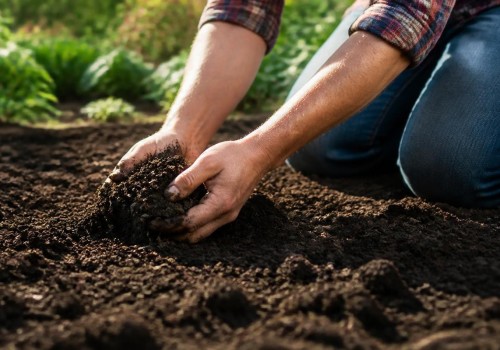
- Add Organic Matter: Incorporate compost or well-rotted manure into the soil to improve fertility and structure.
- Till the Soil: Loosen the soil with a garden fork or tiller to promote root growth and drainage.
Transplanting Techniques and Best Practices
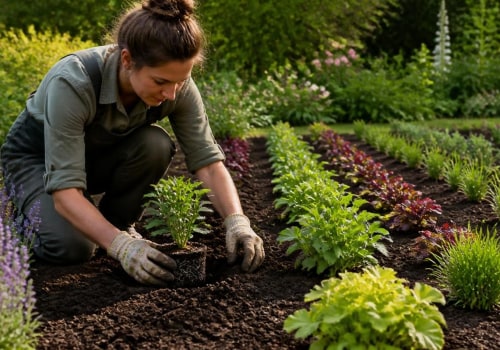
Transplanting seedlings is a crucial step in the gardening process, and employing the right transplanting techniques can significantly enhance your plants' growth and health. Here are some best practices to ensure a successful transition from seedling to established plant.- Timing is Key: Transplant your seedlings when they have developed at least two sets of true leaves. This indicates that they are strong enough to handle the stress of being moved.
- Prepare the New Site: Before transplanting, ensure that the new location has well-draining soil enriched with organic matter.
This will provide your seedlings with the nutrients they need to thrive.
- Water Before Transplanting: Water your seedlings a few hours before you plan to transplant them. This helps reduce shock and makes it easier to remove them from their containers.
- Handle with Care: When removing seedlings from their pots, gently grasp them by the leaves rather than the stem to avoid damage. If they are tightly packed, use a fork or your fingers to loosen the soil around the roots.
- Create Proper Holes: Dig holes in the new location that are slightly larger than the root ball of your seedlings. This allows for easy placement and minimizes root disturbance.
- Plant at the Right Depth: Ensure that you plant your seedlings at the same depth they were growing in their original containers.
Planting too deep can suffocate roots, while planting too shallow can expose them to air.
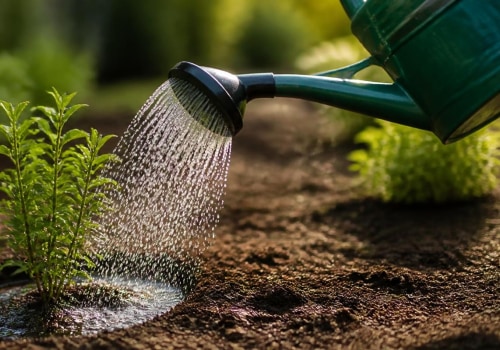
- Water After Transplanting: After placing your seedlings in their new homes, water them thoroughly to help settle the soil around the roots and eliminate air pockets.
- Provide Shade: For a few days after transplanting, consider providing shade for your seedlings, especially if they are exposed to direct sunlight. This helps reduce stress as they acclimate to their new environment.
Common Mistakes to Avoid When Transplanting Seedlings
Transplanting seedlings can be a rewarding experience, but it’s also fraught with potential pitfalls. Understanding common mistakes can help ensure your plants thrive after moving them to their new home. Here are some of the most frequent errors gardeners make and how to avoid them:- Transplanting at the Wrong Time: One of the biggest mistakes is transplanting seedlings too early or too late.
Seedlings should be moved outdoors only after they have developed a strong root system and the risk of frost has passed. Monitor local weather conditions and wait for optimal temperatures.
- Neglecting Hardening Off: Jumping straight from indoors to the outdoors can shock your seedlings.
Hardening off
is a crucial process where you gradually expose your seedlings to outdoor conditions over a week or two. Start with a few hours of sunlight and gradually increase their exposure. - Improper Soil Preparation: Using poor-quality soil or not preparing the planting site can lead to transplant failure.
Ensure that the soil is well-draining and enriched with organic matter. Test the pH and nutrient levels to create an ideal environment for your seedlings.
- Overwatering or Underwatering: Watering mistakes are common during transplantation. Overwatering can lead to root rot, while underwatering can stress the plants. Water your seedlings thoroughly before transplanting, and monitor moisture levels in the new location.
- Ignoring Root Damage: When removing seedlings from their containers, be careful not to damage the roots.
Gently loosen the soil around the roots and avoid pulling on the stems. If roots are tangled, gently separate them before planting.
Frequently Asked Questions About Transplanting Seedlings
Transplanting seedlings can be a daunting task for many gardeners, especially those new to the process. Here are some frequently asked questions that can help clarify when and how to transplant your seedlings effectively.When is the right time to transplant seedlings?
The ideal time to transplant seedlings is when they have developed at least two sets of true leaves.This indicates that they are strong enough to handle the stress of being moved. Additionally, ensure that the outdoor temperatures are suitable for the specific plants you are growing, typically after the last frost date in your area.
How do I prepare my seedlings for transplanting?
- Harden off your seedlings by gradually exposing them to outdoor conditions over a week or two.
- Water your seedlings thoroughly a day before transplanting to reduce shock.
- Choose a cloudy day or late afternoon for transplanting to minimize stress from direct sunlight.
What should I do if my seedlings are leggy?
If your seedlings appear leggy, it may be due to insufficient light. When transplanting, bury them deeper in the soil than they were in their original containers. This will help support the stem and encourage stronger root development.Can I transplant seedlings directly into the garden?
Yes, you can transplant seedlings directly into the garden as long as they are hardened off and the soil conditions are favorable.Ensure that you space them according to their specific requirements for optimal growth.
What care do transplanted seedlings need?
- Water them immediately after transplanting to help settle the soil around the roots.
- Monitor them closely for signs of stress, such as wilting or yellowing leaves.
- Provide shade if necessary during hot weather until they establish themselves.