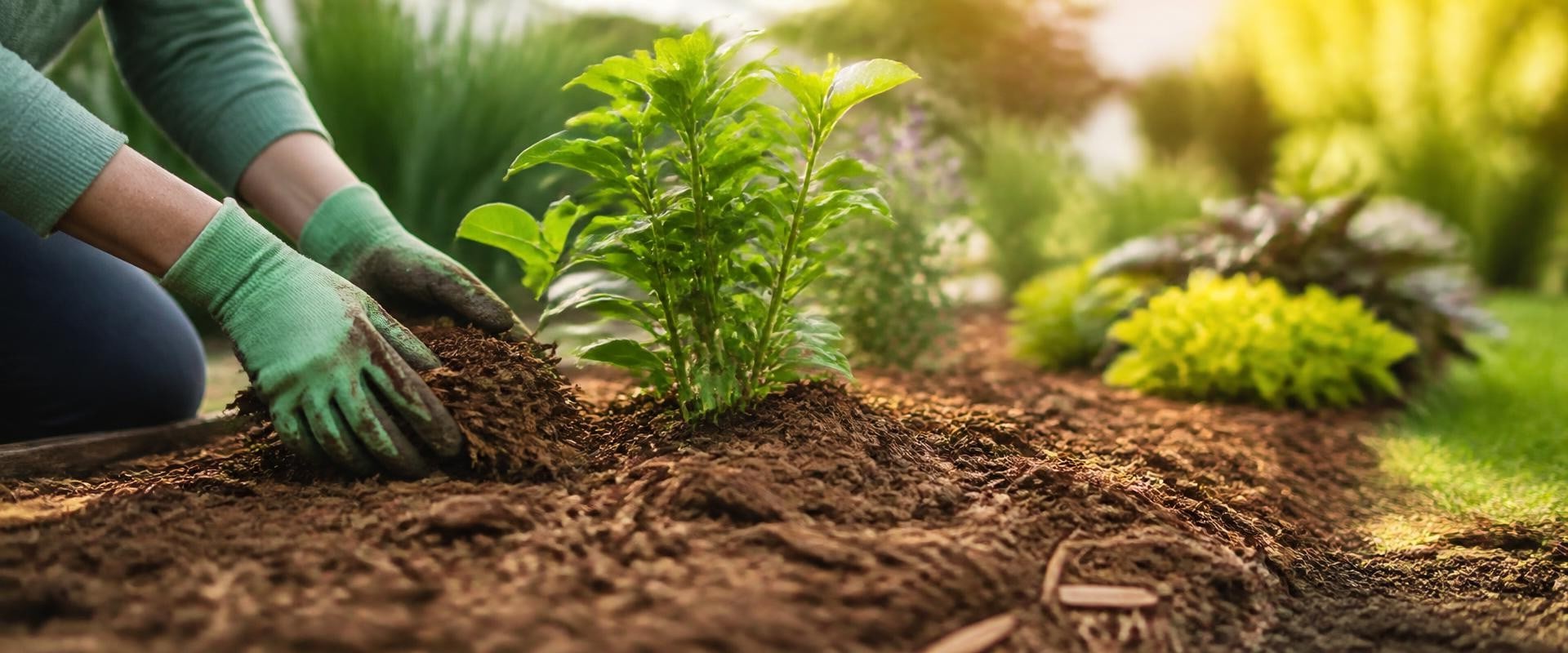
Mulch is a layer of material applied to the surface of soil, and it plays a vital role in gardening and landscaping. Understanding what mulch is and how it functions can significantly enhance your planting efforts. Essentially, mulch can be organic, such as wood chips, straw, or grass clippings, or inorganic, like gravel or plastic sheeting. Each type serves unique purposes and offers distinct benefits that can transform your garden into a thriving ecosystem. One of the primary benefits of mulch is its ability to retain moisture in the soil.
By reducing evaporation, mulch helps keep the soil consistently moist, which is crucial for plant health, especially during hot summer months. Additionally, mulch acts as a natural barrier against weeds, suppressing their growth and reducing competition for nutrients and water. This not only saves you time on maintenance but also promotes healthier plants. Moreover, mulch contributes to temperature regulation in the soil. It insulates the ground, keeping it cooler in the summer and warmer in the winter.
This temperature moderation creates a more stable environment for plant roots, encouraging robust growth. Understanding these benefits is essential for anyone looking to maximize their gardening success. By selecting the right type of mulch and applying it effectively, you can create an optimal planting environment that supports your garden's health and productivity.
How to Apply Mulch Effectively When Planting
Applying mulch effectively during the planting process can significantly enhance plant health and growth. Here’s a step-by-step guide on how to do it right:- Choose the Right Mulch: Select a mulch type that suits your plants and local climate.
Organic mulches like wood chips, straw, or shredded leaves improve soil quality as they decompose, while inorganic options like gravel or rubber provide long-lasting coverage.
- Prepare the Soil: Before applying mulch, ensure the soil is well-prepared. This includes removing weeds, rocks, and debris from the planting area. Loosen the soil to promote root penetration and water absorption.
- Determine Mulching Depth: The ideal mulching depth typically ranges from 2 to 4 inches. For smaller plants, a depth of 2 inches is sufficient, while larger plants may benefit from up to 4 inches.
Avoid piling mulch against plant stems or trunks to prevent rot.
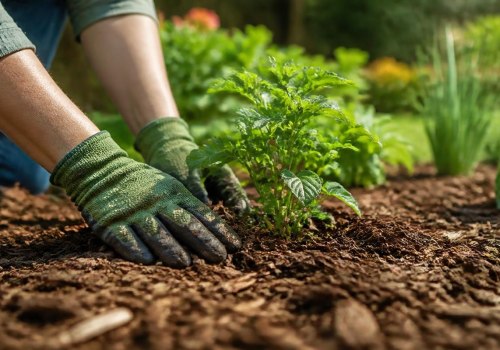
- Apply Evenly: Spread the mulch evenly around the plants, ensuring that it covers the entire root zone. Leave a small gap around the base of each plant to allow for air circulation and moisture retention.
- Water After Mulching: Once the mulch is applied, water the area thoroughly. This helps settle the mulch into place and ensures that moisture reaches the roots effectively.
Additionally, consider replenishing your mulch layer annually to maintain its effectiveness and appearance.By following these steps, you can maximize the benefits of mulching in your planting endeavors, leading to healthier plants and a more vibrant garden.
Timing Your Mulching: When to Apply Mulch
Timing your mulching is crucial for ensuring that your plants thrive. The best time to mulch largely depends on the specific needs of your plants and the climate in your region. Here are some key considerations:- Before Planting: Applying mulch before planting can help suppress weeds and retain moisture in the soil. If you’re preparing a new garden bed, consider laying down a layer of mulch a few weeks prior to planting.
This allows the soil to warm up and become more hospitable for new plants.
- Spring Mulching: As temperatures begin to rise in spring, it’s an ideal time to apply mulch around established plants. This helps regulate soil temperature and moisture levels, promoting healthy growth as plants emerge from dormancy.
- Summer Maintenance: During the hot summer months, adding a fresh layer of mulch can protect your plants from heat stress. It acts as an insulator, keeping the soil cooler and reducing evaporation. Aim to refresh your mulch every few months if you notice it breaking down or thinning out.
- Fall Preparation: In the fall, mulching can protect plant roots from freezing temperatures.
A thicker layer of mulch can provide insulation during winter months, ensuring that your plants remain healthy and protected from harsh conditions.
- If you live in a region with heavy rainfall, opt for a coarser mulch that allows for better drainage.
- In dry climates, use a finer mulch that retains moisture more effectively.
Common Mistakes to Avoid When Using Mulch
Using mulch can significantly enhance your planting efforts, but many gardeners fall into common traps that can undermine its benefits. Here are some common mulching errors to avoid:- Applying Too Much Mulch: One of the most frequent mistakes is piling mulch too high. A layer thicker than 3 inches can suffocate plant roots and create a habitat for pests. Aim for a depth of 2 to 3 inches, ensuring that the mulch is evenly distributed around the plants.
- Choosing the Wrong Type of Mulch: Not all mulches are created equal.
Organic mulches like wood chips or straw decompose over time, enriching the soil, while inorganic options like rubber or gravel do not. Select a mulch that aligns with your planting goals and local climate.
- Mulching Too Early or Late: Timing is crucial when applying mulch. If you mulch too early in the spring, it can trap cold air and delay soil warming. Conversely, mulching too late can expose soil to weeds and erosion.
Aim to apply mulch once the soil has warmed up but before weeds start to sprout.
- Ignoring Plant Needs: Different plants have varying moisture and nutrient requirements. Some may thrive with a thicker layer of mulch, while others may require less. Always consider the specific needs of your plants when deciding on mulching practices.
- Covering Plant Bases: Avoid placing mulch directly against the stems or trunks of plants. This can lead to rot and disease.
Instead, keep a small gap around the base of each plant to promote airflow and prevent moisture buildup.
FAQs About Using Mulch in Planting
When it comes to using mulch effectively during planting, many gardeners have questions. Here are some of the most frequently asked questions about mulch:What is the best type of mulch for planting?
The best type of mulch depends on your specific planting needs.Organic mulches
, such as wood chips, straw, or shredded leaves, are excellent for retaining moisture and improving soil quality as they decompose.Inorganic mulches, like gravel or landscape fabric, can be effective for weed control but do not contribute nutrients to the soil.
How thick should I apply mulch when planting?
A general rule of thumb is to apply mulch to a depth of 2 to 4 inches. This thickness helps suppress weeds and retain moisture without suffocating plant roots. Be cautious not to pile mulch against the stems or trunks of plants, as this can lead to rot.Can I use mulch in vegetable gardens?
Absolutely! Using mulch in vegetable gardens can provide numerous benefits, including:- Moisture retention: Mulch helps keep the soil moist, reducing the need for frequent watering.
- Weed suppression: A layer of mulch can significantly reduce weed growth, allowing your vegetables to thrive.
- Soil temperature regulation: Mulch helps maintain a consistent soil temperature, which is crucial for healthy plant growth.
How often should I replace my mulch?
The frequency of replacing mulch depends on the type used and environmental conditions. Generally, organic mulches should be replenished every 1 to 2 years, while inorganic options may last longer but may require periodic cleaning or adjustment.Can I use grass clippings as mulch?
Yes, grass clippings can be an effective and economical mulch option.However, it’s important to let them dry out before applying them in thick layers to prevent matting and odor. Aim for a 1-inch layer to avoid smothering plants.If you have more questions about using mulch effectively in your planting endeavors, feel free to reach out or consult local gardening resources!
Conclusion: Mastering Mulch for Successful Planting
In conclusion, mastering the art of mulching is essential for anyone looking to enhance their planting success. By implementing the techniques discussed throughout this article, you can create a thriving environment for your plants while minimizing maintenance efforts. To recap, here are the key points to remember:- Choose the right type of mulch: Organic mulches like wood chips and straw not only suppress weeds but also enrich the soil as they decompose.
- Apply mulch correctly: Aim for a thickness of 2-4 inches around your plants, ensuring it does not touch the stems to prevent rot.
- Timing is crucial: Apply mulch after planting to retain moisture and regulate soil temperature, but avoid doing so too early in the season.
- Monitor and maintain: Regularly check your mulch layer for compaction or decomposition, replenishing it as necessary to maintain its effectiveness.
Embrace these strategies, and watch your garden flourish!.