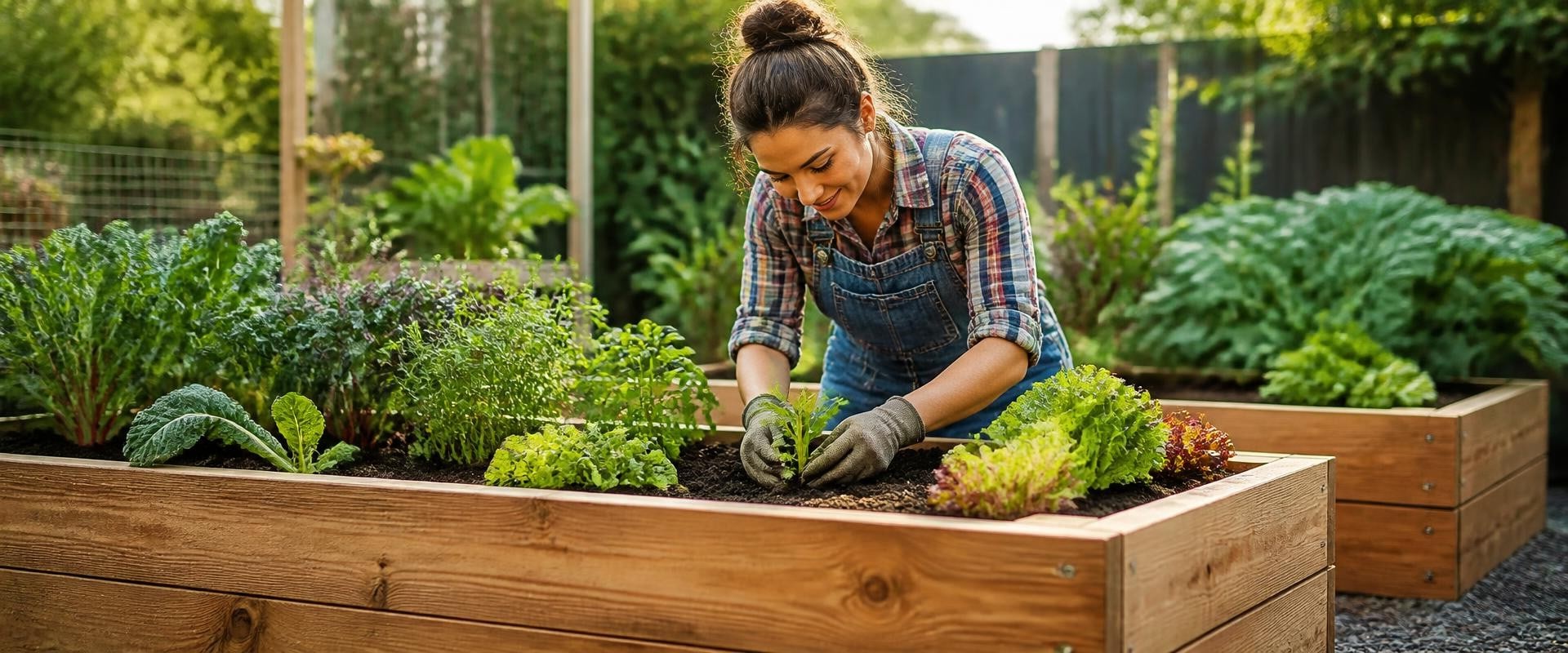
Raised garden beds have become increasingly popular among both novice and experienced gardeners, and for good reason. These elevated planting areas offer a multitude of benefits that can enhance your gardening experience. By providing better drainage, improved soil quality, and easier access, raised beds create an ideal environment for growing a variety of plants. Whether you're cultivating vegetables, herbs, or flowers, understanding the advantages of raised garden beds is essential for maximizing your gardening success. One of the primary benefits of raised garden beds is their ability to warm up faster in the spring compared to traditional in-ground gardens.
This allows for an earlier planting season, giving your plants a head start. Additionally, the soil in raised beds tends to be less compacted, which promotes healthier root growth and better nutrient absorption. Furthermore, these beds can be tailored to specific plant needs by adjusting the soil composition, making it easier to create the perfect growing conditions. Moreover, raised garden beds can significantly reduce the amount of weeding and pest control required. The elevated structure makes it more challenging for weeds to take hold and provides a natural barrier against certain pests.
This means less time spent on maintenance and more time enjoying the fruits of your labor. As you delve into the gardening basics, you'll find that raised beds not only simplify the gardening process but also enhance your overall enjoyment of this rewarding hobby.
Choosing the Right Location
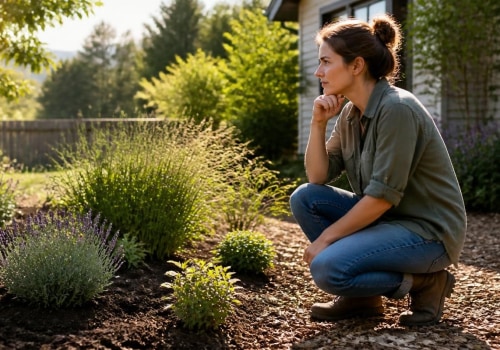
When it comes to planting tips for raised garden beds, selecting the right location is crucial for ensuring your plants thrive. The ideal spot will provide adequate sunlight and proper drainage, both of which are essential for healthy growth.Sunlight Requirements
Most vegetables and flowering plants require at least 6 to 8 hours of direct sunlight each day. Therefore, when choosing a location for your raised garden beds, observe the area throughout the day to identify how much sun it receives.Here are some tips:
- Avoid shaded areas: Ensure that your raised beds are not placed under trees or tall structures that could block sunlight.
- Consider seasonal changes: Keep in mind that the angle of the sun changes with the seasons, so a spot that is sunny in summer may be shaded in winter.
- Use reflective surfaces: If possible, position your beds near light-colored walls or pathways that can reflect sunlight onto your plants.
Drainage Considerations
Proper drainage is another critical factor when selecting a location for your raised garden beds. Poor drainage can lead to waterlogged soil, which can harm plant roots and promote disease. Here are some considerations:- Avoid low-lying areas: These spots tend to collect water after rain, leading to excess moisture.
- Check soil drainage: Before placing your beds, dig a small hole and fill it with water. If it drains slowly, you may need to amend the soil or choose a different location.
- Elevate if necessary: If you have heavy clay soil or poor drainage, consider building your raised beds higher or adding drainage materials like gravel at the bottom.
Remember, the right environment can make all the difference in achieving a bountiful harvest!
Soil Preparation and Quality
When it comes to planting tips for raised garden beds, the foundation of your garden lies in the quality of the soil. Proper soil preparation is essential for ensuring that your plants thrive and produce a bountiful harvest.Choosing the Right Soil for Raised Beds
The ideal soil for raised beds should be a well-balanced mix that promotes drainage while retaining moisture. A common recommendation is to use a blend of topsoil, compost, and peat moss. This combination provides essential nutrients and improves soil structure.
Aim for a ratio of 60% topsoil, 30% compost, and 10% peat moss or coconut coir.
Soil Amendments
Depending on your initial soil quality, you may need to incorporate various soil amendments. Here are some effective options:
- Compost: Enhances nutrient content and improves soil structure.
- Bone Meal: A great source of phosphorus, promoting root development.
- Wood Ash: Adds potassium and raises soil pH, beneficial for certain plants.
- Green Manure: Planting cover crops like clover can enrich the soil when tilled back in.
Soil Testing
Before planting, it’s wise to conduct a soil test. This will help you understand the pH level and nutrient content of your soil. Many local extension services offer testing kits or services.
Based on the results, you can adjust your amendments accordingly to create an optimal growing environment.In summary, investing time in preparing high-quality soil with the right amendments and conducting tests will set the stage for a successful raised garden bed. Healthy soil leads to healthy plants, making these steps crucial in your gardening journey.
Selecting the Right Plants
When it comes to selecting the right plants for your raised garden beds, understanding your local climate and soil conditions is crucial. Here are some effective planting tips to help you make the best choices:- Best Plants for Raised Beds: Opt for plants that thrive in confined spaces and have a shorter growing season. Some excellent choices include:
- Lettuce and other leafy greens, which grow quickly and can be harvested multiple times.
- Radishes, known for their fast growth and ability to thrive in cooler temperatures.
- Herbs like basil, cilantro, and parsley, which not only enhance your meals but also attract beneficial insects.
- Tomatoes, which can be grown vertically to save space.
Companion Planting:
Pairing plants that benefit each other can significantly enhance your garden's productivity.
For example:
- Tomatoes grow well with basil, as basil can help repel pests.
- Cucumbers and corn make great companions; corn provides support for climbing cucumbers.
- Nasturtiums can deter aphids when planted near other vegetables.
Seasonal Planting Tips:
Timing is everything in gardening. Consider these seasonal tips:
- In early spring, focus on cool-season crops like peas and spinach.
- As temperatures rise, transition to warm-season crops such as peppers and squash.
- In late summer, plan for a fall harvest by planting quick-growing varieties like kale or turnips.
Planting Techniques and Strategies
When it comes to maximizing the growth potential of your raised garden beds, understanding planting techniques is crucial. Proper spacing and planting depth can significantly influence the health and yield of your plants.Spacing Plants
One of the most important aspects of planting in raised beds is ensuring that you give each plant enough space to thrive.Spacing plants
appropriately allows for adequate air circulation, sunlight exposure, and nutrient access.Here are some general guidelines:
- Leafy Greens: Space them about 6-12 inches apart.
- Root Vegetables: Carrots and radishes should be spaced 2-4 inches apart, while larger roots like beets need about 3-6 inches.
- Tomatoes and Peppers: These should be planted 18-24 inches apart to allow for their sprawling growth.
Planting Depth
The planting depth is another critical factor that can affect plant development. Each type of plant has its own optimal depth for planting:- Seeds: Generally, seeds should be planted at a depth of two to three times their diameter.
- Transplants: When transplanting seedlings, ensure that the root ball is covered with soil up to the first set of true leaves.
- Tubers: For potatoes, plant them about 4-6 inches deep to encourage robust growth.
Watering and Maintenance Tips
Proper watering and ongoing maintenance are crucial for the success of your raised garden beds.Here are some essential tips to ensure your plants thrive:
Watering Raised Beds
- Consistent Moisture: Raised beds tend to dry out faster than traditional gardens. Aim to keep the soil consistently moist, especially during hot weather. A good rule of thumb is to water deeply once or twice a week, depending on rainfall.
- Soil Type Matters: The type of soil you use can affect how often you need to water. A mix of compost, peat moss, and vermiculite retains moisture better than plain garden soil.
- Watering Techniques: Use a soaker hose or drip irrigation system for efficient watering.
This method delivers water directly to the roots and minimizes evaporation.
Maintenance Tips
- Mulching: Apply a layer of organic mulch around your plants. This helps retain moisture, suppress weeds, and improve soil quality as it breaks down.
- Regular Weeding: Keep your raised beds free from weeds that compete for nutrients and water. Regularly check for weeds and remove them by hand or with a hoe.
- Crop Rotation: To maintain soil health, practice crop rotation each season. This prevents nutrient depletion and reduces the risk of pests and diseases.
Pest Control
- Natural Predators: Encourage beneficial insects like ladybugs and lacewings that prey on common pests.
Planting flowers such as marigolds can attract these helpful insects.
- Physical Barriers: Use row covers or netting to protect young plants from pests while allowing sunlight and rain to reach them.
- Regular Monitoring: Inspect your plants regularly for signs of pests or disease. Early detection is key to effective management.
Common Mistakes to Avoid
When it comes to raised bed gardening, avoiding common mistakes can significantly enhance your gardening experience and yield. Here are some pitfalls to watch out for:- Overcrowding plants: One of the most frequent mistakes is planting too many seeds or seedlings in a small area. This can lead to competition for nutrients and water, ultimately stunting growth.
Always refer to the recommended spacing for each plant type.
- Ignoring soil quality: Many gardeners underestimate the importance of using high-quality soil. Raised beds require a well-balanced mix of topsoil, compost, and other organic materials. Poor soil can lead to nutrient deficiencies and poor plant health.
- Neglecting drainage: Proper drainage is crucial in raised beds. If water accumulates, it can cause root rot and other issues.
Ensure your raised bed has adequate drainage holes and consider adding gravel at the bottom for better water flow.
- Planting at the wrong time: Timing is everything in gardening. Planting too early or too late can expose your plants to unfavorable weather conditions. Always check local frost dates and seasonal planting guides.
- Failing to rotate crops: Planting the same crops in the same spot year after year can deplete soil nutrients and increase pest problems. Implement a crop rotation plan to maintain soil health and reduce disease risk.
Regularly inspect your plants for signs of stress, such as yellowing leaves or stunted growth, which may indicate nutrient deficiencies or pests. By being proactive and addressing these common mistakes, you can create a thriving raised garden bed that yields bountiful harvests.
FAQs About Raised Garden Bed Planting
When it comes to raised bed gardening, many gardeners have questions that can help them optimize their planting strategies. Here are some frequently asked questions and their answers:- What is the best soil mix for raised garden beds?
A good soil mix typically consists of a blend of topsoil, compost, and peat moss or coconut coir. This combination provides essential nutrients, improves drainage, and retains moisture effectively. - How deep should my raised garden bed be?
Most vegetables thrive in a bed that is at least 12 inches deep.However, for root vegetables like carrots or potatoes, a depth of 18 to 24 inches is recommended.
- Can I plant different types of plants together?
Yes! This practice is known as companion planting. Certain plants can benefit each other by repelling pests or enhancing growth. For example, planting basil near tomatoes can improve flavor and deter pests. - What should I do if my plants are wilting?
Wilting can be a sign of either underwatering or overwatering. Check the soil moisture; if it’s dry several inches down, it’s time to water.Conversely, if the soil is soggy, reduce watering and ensure proper drainage.
- How can I prevent pests in my raised garden bed?
Consider using physical barriers like row covers or netting. Additionally, introducing beneficial insects such as ladybugs can help control pest populations naturally.
Conclusion: Key Takeaways for Successful Raised Bed Gardening
In conclusion, successful raised bed gardening hinges on a few key principles that every gardener should keep in mind. By following these planting tips, you can create a thriving garden that yields abundant produce and enhances your outdoor space.- Choose the Right Location: Ensure your raised bed is placed in a spot that receives adequate sunlight, ideally 6-8 hours a day.
This will promote healthy plant growth and maximize your harvest.
- Soil Quality Matters: Invest in high-quality soil that is rich in organic matter. A well-balanced mix of compost, peat moss, and vermiculite will provide essential nutrients and improve drainage.
- Plan Your Planting: Consider companion planting to maximize space and deter pests. Group plants with similar water and sunlight needs together for optimal growth.
- Water Wisely: Raised beds tend to dry out faster than traditional gardens. Regularly check soil moisture and water deeply but infrequently to encourage deep root growth.
- Mulch for Success: Applying a layer of mulch can help retain moisture, suppress weeds, and regulate soil temperature, creating a more stable environment for your plants.
Remember, gardening is a journey of learning; don’t hesitate to experiment and adapt your methods as you gain experience. Happy gardening!.