Choosing the right location for planting is a fundamental step that can significantly influence the success of your garden. To make informed decisions, it’s essential to understand your plants' needs, which encompass sunlight requirements, soil type, and water needs. Each plant species has unique preferences that dictate where they thrive best, and aligning these preferences with your garden's conditions is key to fostering healthy growth. First and foremost, consider the sunlight requirements of your plants. Some plants flourish in full sun, requiring at least six hours of direct sunlight daily, while others prefer partial shade or even full shade.
Observing how sunlight moves across your garden throughout the day will help you identify the best spots for sun-loving versus shade-tolerant plants. Next, evaluate the soil type in your chosen location. Different plants have varying tolerances for soil texture and composition. For instance, root vegetables like carrots prefer loose, sandy soil that allows for easy growth, while others may thrive in rich, loamy soil that retains moisture. Conducting a simple soil test can provide insights into pH levels and nutrient content, guiding you in selecting the right plants for your specific soil conditions. Lastly, understanding the water needs of your plants is crucial.
Some plants require consistently moist soil, while others are drought-tolerant and prefer drier conditions. Assessing drainage in your planting area will help prevent waterlogging or dryness, ensuring that each plant receives the appropriate amount of moisture. By taking these factors into account, you can create a thriving environment tailored to the specific needs of your plants.
Assessing Your Garden Space
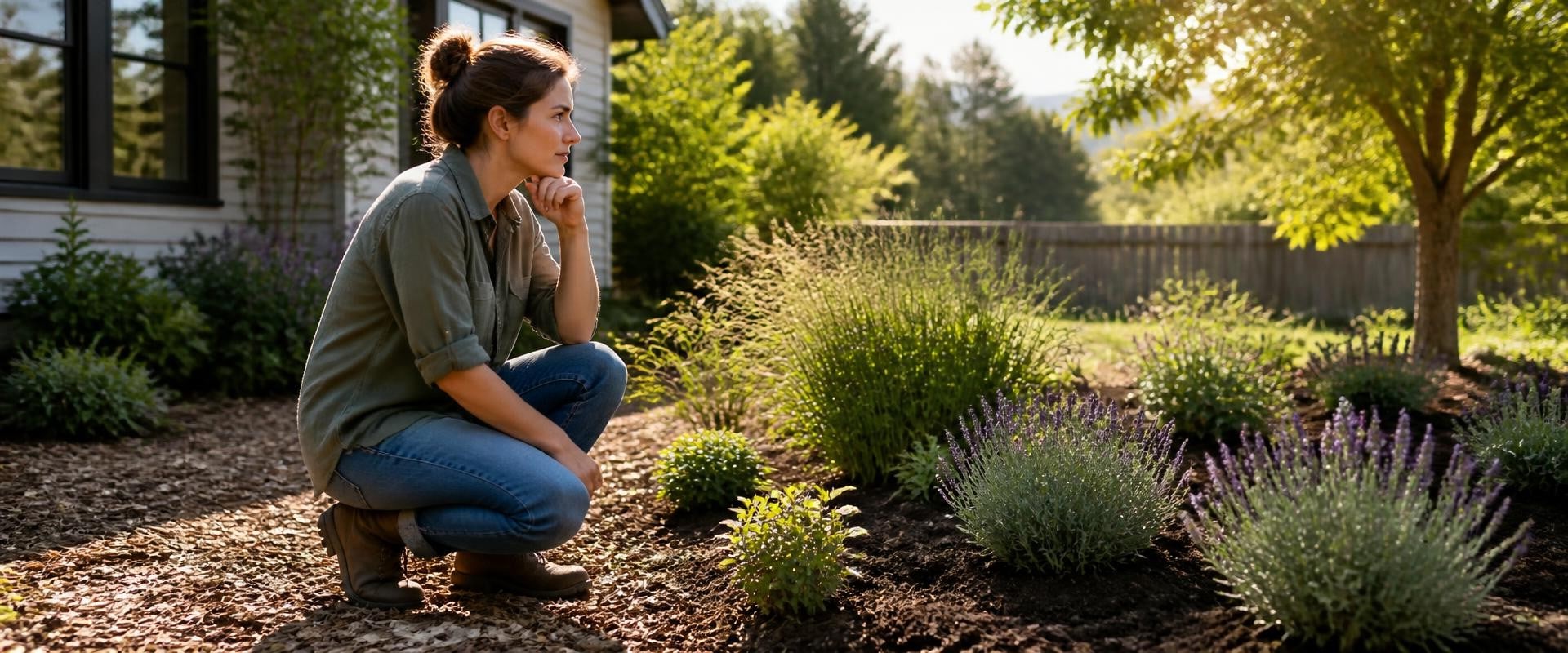
Choosing the right location for planting is crucial for the success of your garden. To begin, you should conduct a thorough assessment of your garden space.This involves evaluating both the physical layout of your yard and the unique environmental factors that may influence plant growth.
1.Evaluate Your Yard Layout
- Sunlight Exposure: Observe how sunlight moves across your yard throughout the day. Most plants thrive in full sun, which means they need at least 6-8 hours of direct sunlight daily. Identify areas that receive ample sunlight and consider placing sun-loving plants there.
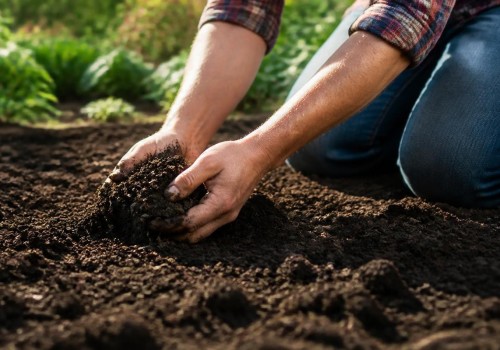
- Soil Quality: Test your soil to determine its pH and nutrient levels. Healthy soil is essential for plant growth.
If your soil is poor, consider raised beds or amending it with organic matter.
- Drainage: Check for areas where water tends to pool after rain. Good drainage is vital to prevent root rot and other moisture-related issues. If you have low spots, think about planting moisture-loving plants there or improving drainage.
2.Identify Microclimates
Your garden may contain various microclimates, which are small areas with distinct climate conditions that differ from the surrounding environment. These can be influenced by factors such as:
- Wind Protection: Areas sheltered by fences, walls, or trees can be warmer and less windy, making them ideal for delicate plants.
- Heat Retention: Surfaces like concrete or brick absorb heat during the day and release it at night, creating warmer spots that can extend the growing season.
- Shade Patterns: Tall trees or structures can cast shade on parts of your garden.
Understanding these patterns will help you choose appropriate plants for shaded areas.
Evaluating Sunlight Exposure
When it comes to planting tips, understanding sunlight exposure is crucial for the success of your garden. Different plants have varying light requirements, and assessing the sunlight in your garden will help you choose the right plants for each area.To evaluate sunlight exposure, start by observing your garden throughout the day. Take note of how many hours of direct sunlight each area receives:- Full Sun: Areas that receive at least 6 to 8 hours of direct sunlight daily are considered full sun.
This is ideal for sun-loving plants such as tomatoes, peppers, and many flowering annuals.
- Partial Shade: These areas receive about 4 to 6 hours of sunlight, often with some protection from the harsh afternoon sun. Plants like hostas, ferns, and certain varieties of hydrangeas thrive in these conditions.
- Shade: If an area receives less than 4 hours of direct sunlight, it is classified as shade. Shade-loving plants such as astilbes, caladiums, and certain types of ivy can flourish here.
- Obstructions: Trees, buildings, and fences can cast shadows that alter the amount of sunlight reaching your plants.
- Seasonal Changes: The angle of the sun changes with the seasons, so an area that is sunny in summer may be shaded in winter.
By aligning your plant choices with their light requirements, you’ll create a thriving garden that showcases healthy and vibrant plants.
Soil Quality and Preparation
When it comes to successful planting, soil quality is paramount. Healthy soil provides essential nutrients, supports root development, and promotes overall plant vigor. To ensure your plants thrive, it’s crucial to assess and prepare your soil properly.Soil Testing
The first step in evaluating soil quality is conducting a soil test. This process involves collecting samples from various locations in your garden and sending them to a laboratory for analysis.
A soil test will reveal important information such as pH levels, nutrient content, and organic matter percentage. Understanding these factors will help you determine what amendments are necessary for optimal growth.
Soil Amendments
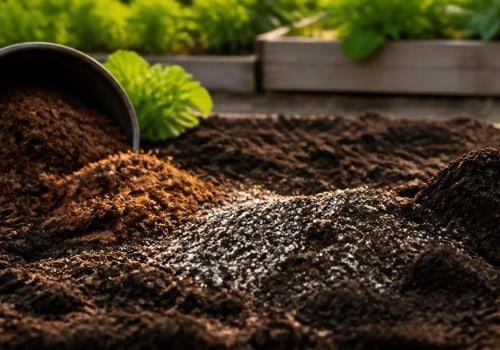
Based on the results of your soil test, you may need to make soil amendments. Common amendments include:
- Compost: Enhances soil structure and adds nutrients.
- Lime: Raises pH levels in acidic soils.
- Sulfur: Lowers pH levels in alkaline soils.
- Fertilizers: Provide specific nutrients that may be lacking.
Drainage Considerations
Another critical aspect of soil quality is drainage. Poor drainage can lead to waterlogged conditions, which can suffocate roots and promote disease.
To assess drainage, observe how quickly water absorbs into the soil after heavy rainfall or irrigation. If water pools on the surface, consider amending the soil with organic matter or creating raised beds to improve drainage.By prioritizing soil quality through testing, amending, and ensuring proper drainage, you set the stage for a thriving garden. Remember, healthy soil is the foundation of successful planting!
Water Availability and Drainage Considerations
When selecting a location for planting, water availability and drainage are critical factors that can significantly impact the health and growth of your plants. Understanding these elements will help you create an optimal environment for your garden.Water availability
refers to the accessibility of water sources for your plants.Ideally, your chosen location should have easy access to a reliable water supply, whether it be from rainfall, a nearby stream, or an irrigation system. Consider the following:
- Natural rainfall: Assess the average rainfall in your area and how it aligns with the water needs of your plants.
- Proximity to water sources: If you have a pond or stream nearby, ensure that it is not prone to drying up during dry seasons.
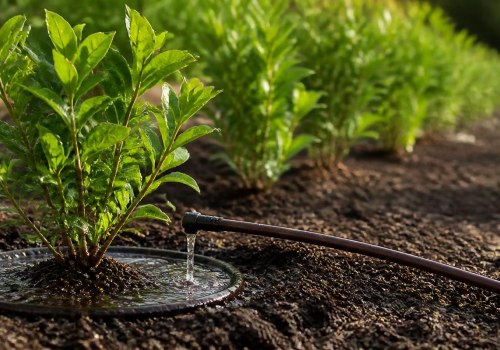
- Irrigation systems: If natural water sources are insufficient, consider installing an irrigation system. Options include drip irrigation, soaker hoses, or sprinkler systems that can efficiently deliver water to your plants.
Here are some tips to evaluate drainage:
- Soil type: Sandy soils typically drain well, while clay soils retain moisture. Conduct a simple drainage test by digging a hole and filling it with water; if it drains slowly, you may need to amend the soil.
- Topography: Choose a location that is not in a low-lying area where water tends to accumulate after heavy rains.
- Raised beds: If drainage is a concern, consider using raised beds to improve soil drainage and prevent root rot.
Climate and Seasonal Changes
When considering planting tips, understanding the impact of climate and seasonal changes is crucial for successful gardening. Different plants thrive in varying climates, and knowing your local conditions can significantly influence your planting decisions.Climate Impact
The climate in your region dictates not only what plants will survive but also when to plant them.
For instance, areas with a warm climate may allow for year-round planting, while regions with harsh winters require careful planning. To determine the best plants for your area, consult the USDA Plant Hardiness Zone Map, which divides the United States into zones based on average annual minimum temperatures.
Understanding Hardiness Zones
Hardiness zones range from 1 (coldest) to 13 (warmest), and each zone indicates the types of plants that can thrive in that temperature range. For example:
- Zone 3: Suitable for cold-hardy plants like certain evergreens and perennials.
- Zone 7: Ideal for a wider variety of plants, including many flowering shrubs and vegetables.
- Zone 10: Perfect for tropical plants that require warmer temperatures.
Seasonal Changes
In addition to climate, seasonal changes play a vital role in determining when to plant. Spring is typically the best time for most planting activities, as the soil warms up and frost risks diminish.
However, some plants may benefit from being sown in the fall, allowing them to establish roots before winter sets in.To maximize your gardening success, consider these planting tips: observe local weather patterns, understand your hardiness zone, and choose planting times that align with seasonal changes. By doing so, you will create a thriving garden that flourishes throughout the year.
Companion Planting and Plant Spacing
When planning your garden, understanding companion planting can significantly enhance your gardening success. This technique involves pairing plants that benefit each other, whether through pest control, nutrient sharing, or improved growth conditions. For instance, planting marigolds alongside vegetables can deter harmful insects, while beans can fix nitrogen in the soil, benefiting neighboring plants.Here are some popular companion planting combinations:- Tomatoes and basil: Basil enhances the flavor of tomatoes and helps repel pests.
- Corn, beans, and squash: Known as the "Three Sisters," this trio supports each other's growth.
- Cucumbers and radishes: Radishes can help deter cucumber beetles.
Overcrowding can lead to competition for nutrients, water, and sunlight, ultimately stunting plant development. Here are some tips for effective plant spacing:
- Research Plant Requirements: Different plants have varying space needs. For example, leafy greens may require less space than larger fruiting plants.
- Consider Growth Habits: Take into account whether plants grow upright or spread out. Taller plants should be placed where they won’t shade shorter ones.
- Use a Garden Layout: Sketching a layout can help visualize spacing and ensure that companion plants are positioned correctly.
Remember that successful gardening is often about balance—between plants, nutrients, and space.
Common Mistakes to Avoid When Choosing a Location
Choosing the right location for planting is crucial for the success of your garden. However, many gardeners make common mistakes that can hinder plant growth and overall garden health. Here are some frequent planting mistakes to avoid:- Ignoring Sunlight Requirements: Different plants have varying sunlight needs. Failing to assess how much sun a specific area receives throughout the day can lead to poor growth.
Always check if your chosen spot gets full sun, partial shade, or full shade.
- Neglecting Soil Quality: The soil type and quality play a significant role in plant health. Avoid planting in areas with compacted, rocky, or poor-quality soil without first amending it. Conduct a soil test to determine pH and nutrient levels.
- Overlooking Drainage: Poor drainage can lead to waterlogged roots and plant diseases. Ensure that the location allows excess water to drain away easily.
If necessary, consider raised beds or amend the soil with organic matter to improve drainage.
- Planting Too Close Together: Crowding plants can lead to competition for nutrients and sunlight. Always follow spacing guidelines for each plant type to ensure they have enough room to grow.
- Forgetting About Wind Exposure: Wind can damage delicate plants, especially young seedlings. Choose a location that offers some protection from strong winds, such as near a fence or wall.
Conclusion: Making Informed Planting Decisions
In conclusion, making informed decisions about your planting location is crucial for the success of your garden.By considering factors such as sunlight exposure, soil quality, and drainage, you can create an environment that fosters healthy plant growth. Remember that each plant has specific needs, and understanding these requirements will help you choose the best spot for them.Here are some key points to keep in mind:
- Assess Sunlight: Most plants require at least 6 hours of direct sunlight daily. Observe your garden throughout the day to identify areas that receive adequate light.
- Evaluate Soil Conditions: Conduct a soil test to determine pH levels and nutrient content. Amend the soil as necessary to ensure it meets the needs of your chosen plants.
- Check Drainage: Ensure that the area does not retain water after heavy rains.
Poor drainage can lead to root rot and other issues.
- Consider Wind Protection: If you live in a windy area, choose a location that offers some shelter to protect delicate plants from damage.
- Plan for Growth: Consider the mature size of your plants when selecting a location. Avoid overcrowding by allowing enough space for each plant to thrive.