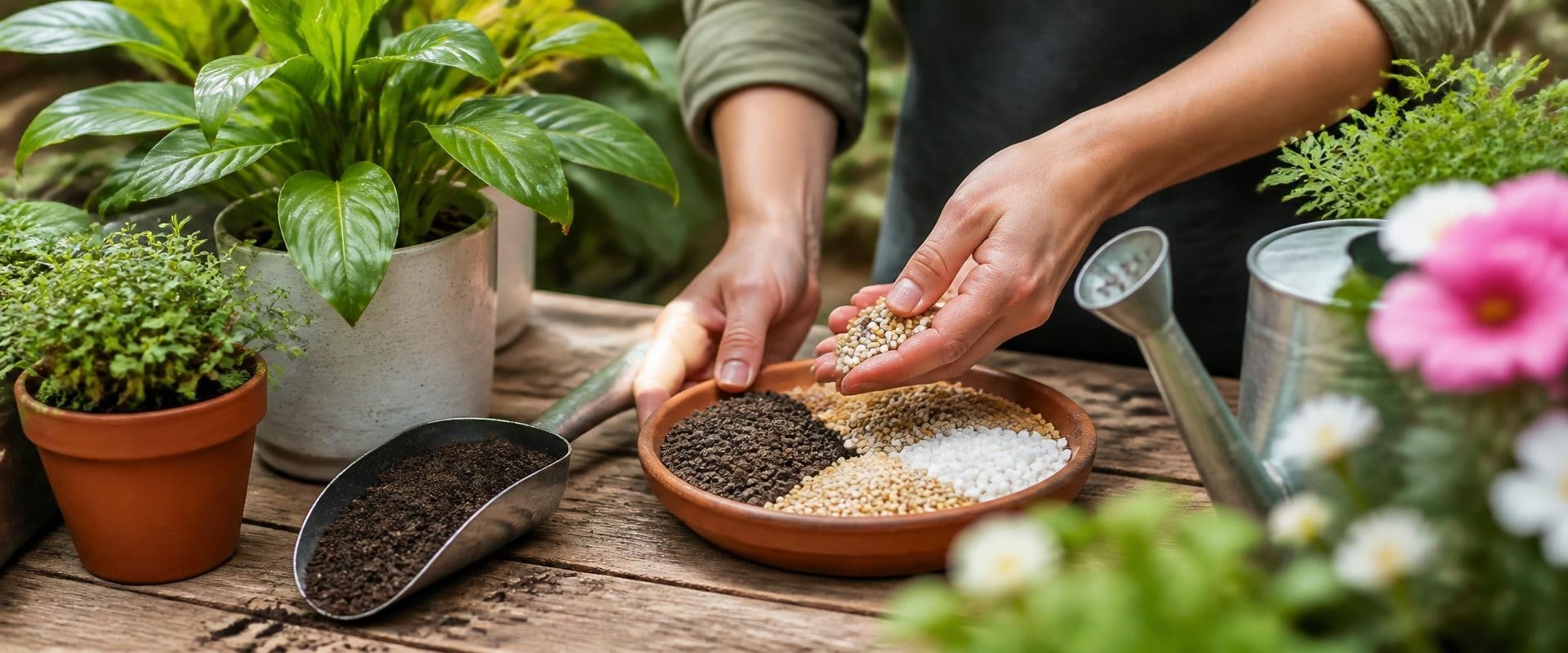
Choosing the right fertilizer is a crucial step in ensuring the success of your planting endeavors. With a myriad of options available, understanding the different types of fertilizers and their specific functions can significantly impact the health and productivity of your plants. Fertilizers can be broadly categorized into two main types: organic and synthetic. Each type has its own unique benefits and drawbacks, making it essential for gardeners to evaluate their specific needs before making a decision.
Organic fertilizers
, derived from natural sources such as compost, manure, and bone meal, enrich the soil with nutrients while improving its structure and water retention capabilities.They release nutrients slowly, providing a steady supply over time, which is beneficial for long-term plant health. On the other hand, synthetic fertilizers are chemically manufactured and designed to deliver nutrients quickly. They often contain higher concentrations of essential elements like nitrogen, phosphorus, and potassium, making them effective for immediate results but potentially leading to nutrient runoff if not applied correctly. Understanding the functions of fertilizers is equally important. Different plants have varying nutrient requirements based on their growth stages.
For instance, leafy greens may benefit from higher nitrogen levels, while flowering plants often require more phosphorus. By selecting the appropriate fertilizer type and formulation, you can tailor your approach to meet the specific needs of your plants, ultimately enhancing their growth and yield.
Assessing Soil Health: The Foundation of Planting Success
Understanding soil health is crucial for successful planting. Healthy soil provides the necessary nutrients, structure, and biological activity that plants need to thrive. To ensure your soil is ready for planting, conducting a thorough soil health assessment is essential.Soil Testing
- Start by collecting soil samples from various locations in your garden or field.
This will give you a comprehensive view of your soil's condition.
- Send these samples to a local agricultural extension office or a soil testing laboratory. They will analyze the samples for pH levels, nutrient content, and organic matter.
- Review the results carefully. Pay attention to key nutrients such as nitrogen (N), phosphorus (P), and potassium (K), as well as secondary nutrients like calcium and magnesium.
Identifying Nutrient Deficiencies
Once you have your soil test results, you can identify any nutrient deficiencies. For example:
- If nitrogen levels are low, you may notice stunted growth or yellowing leaves.
In this case, a nitrogen-rich fertilizer would be beneficial.
- A deficiency in phosphorus can lead to poor root development and delayed flowering. A fertilizer high in phosphorus can help address this issue.
- Potassium deficiencies often manifest as browning leaf edges or weak stems. A potassium supplement can strengthen plant resilience.
By combining soil testing with careful observation, you can make informed decisions about which fertilizers to use, ensuring that your planting efforts yield the best possible results.
Matching Fertilizer to Plant Needs: A Tailored Approach
When it comes to planting, understanding the specific nutrient requirements of your plants is crucial for their growth and health. Different plants have varying needs based on their species, growth stage, and environmental conditions. This is where matching the right fertilizer to these needs becomes essential.NPK Ratios Explained
The three primary nutrients found in fertilizers are nitrogen (N), phosphorus (P), and potassium (K), commonly referred to as the NPK ratio. Each of these nutrients plays a vital role:- Nitrogen (N): Promotes leafy growth and is essential for photosynthesis.
- Phosphorus (P): Supports root development and flowering.
- Potassium (K): Enhances overall plant health and disease resistance.
For example, a fertilizer labeled 10-20-10 has 10% nitrogen, 20% phosphorus, and 10% potassium. If you are planting flowering plants, a higher phosphorus content (like 5-10-5) can encourage blooming.
Specific Fertilizers for Common Plants
Different types of plants require tailored fertilizers:- Vegetables: A balanced fertilizer with an NPK ratio of 10-10-10 is often suitable for most vegetables during their growing season.
- Flowering Plants: Use a fertilizer higher in phosphorus, such as 5-10-5, to promote vibrant blooms.
- Fruits: A fertilizer with a higher potassium content, like 8-4-12, can enhance fruit quality and yield.
- Lawns: A nitrogen-rich fertilizer (like 30-0-4) helps achieve lush green grass.
Application Methods: How to Use Fertilizers Effectively
Choosing the right fertilizer application methods is crucial for ensuring that your plants receive the nutrients they need at the right time. Here are some effective methods to consider:- Broadcasting: This method involves spreading fertilizer evenly over the soil surface.
It’s ideal for large areas and can be done before planting or during the growing season. However, be cautious not to apply too much, as it can lead to nutrient runoff.
- Side-dressing: This technique involves applying fertilizer alongside growing plants. It’s particularly useful for crops that require additional nutrients during their growth cycle. Typically, side-dressing is done when plants are established and actively growing.
- Foliar feeding: Spraying a diluted fertilizer solution directly onto plant leaves can provide quick nutrient absorption.
This method is especially beneficial for addressing nutrient deficiencies that may arise during the growing season.
- Pre-planting: Applying fertilizer before planting helps prepare the soil and ensures that nutrients are available as seeds germinate.
- During growth: For many plants, a mid-season application can boost growth and yield. Monitor your plants for signs of nutrient deficiency, such as yellowing leaves or stunted growth.
- Always refer to the fertilizer label , which provides recommended application rates based on the type of plants you are growing.
- A soil test can help identify existing nutrient levels and guide you in adjusting your fertilizer application accordingly.
- A general rule of thumb is to start with a lower amount and gradually increase it based on plant response.
Common Mistakes to Avoid When Choosing Fertilizers
Choosing the right fertilizer is crucial for the health of your plants, but many gardeners fall into common traps that can hinder their success.Here are some common mistakes to avoid when selecting and applying fertilizers:
- Over-fertilizing: One of the most frequent errors is applying too much fertilizer. This can lead to nutrient burn, which damages plant roots and foliage. Always follow the recommended application rates on the fertilizer packaging and consider conducting a soil test to determine your plants' specific needs.
- Under-fertilizing: On the flip side, not providing enough nutrients can stunt growth and reduce yields. If your plants appear pale or are growing slowly, they may be lacking essential nutrients.
Regularly monitor your plants and adjust your fertilization schedule accordingly.
- Ignoring soil type: Different soil types have varying nutrient retention capabilities. For instance, sandy soils drain quickly and may require more frequent fertilization, while clay soils hold nutrients longer. Understanding your soil type can help you choose the right fertilizer and application method.
- Neglecting timing: The timing of fertilizer application is just as important as the type you choose. Applying fertilizer at the wrong time can lead to nutrient runoff or ineffective absorption by plants.
Generally, it's best to fertilize during the growing season when plants are actively taking up nutrients.
- Choosing the wrong type of fertilizer: Not all fertilizers are created equal. Some are designed for specific plants or growth stages. For example, a high-nitrogen fertilizer may be ideal for leafy greens but not suitable for flowering plants. Always select a fertilizer that matches your plant's specific needs.
Frequently Asked Questions About Fertilizers and Planting Tips
When it comes to fertilizers and planting tips, many gardeners have questions that can significantly impact their gardening success.Here are some of the most frequently asked questions:
What type of fertilizer should I use for my plants?
The type of fertilizer you choose depends on the specific needs of your plants. Generally, there are three main types:- Organic fertilizers: Made from natural materials, these are great for enriching soil health and promoting long-term growth.
- Chemical fertilizers: These provide quick nutrients but can lead to soil degradation if used excessively.
- Slow-release fertilizers: Ideal for providing a steady supply of nutrients over time, reducing the need for frequent applications.
How do I know how much fertilizer to apply?
Applying the right amount of fertilizer is crucial. Over-fertilizing can harm plants and the environment. Follow these guidelines:- Read the label: Fertilizers come with recommended application rates based on the type of plant.
- Conduct a soil test: This will help you understand nutrient levels and pH, guiding your fertilizer choice.
- Start small: If unsure, begin with a lower amount and gradually increase as needed.
Can I fertilize my plants while they are still growing?
Yes, you can fertilize during the growing season, but timing is essential.Apply fertilizers:
- At planting time to give seedlings a strong start.
- During active growth phases, typically in spring and early summer.
- Avoid fertilizing late in the season as this can encourage new growth that may not survive winter.
Conclusion: Making Informed Choices for Successful Planting
In conclusion, selecting the right fertilizer is a crucial step in ensuring successful planting. By understanding the specific needs of your plants and the condition of your soil, you can make informed decisions that promote healthy growth and vibrant blooms. Throughout this article, we have emphasized several key factors to consider:- Soil Testing: Conducting a soil test is essential to determine nutrient levels and pH balance. This information will guide you in choosing a fertilizer that complements your soil's existing nutrients.
- Plant Requirements: Different plants have varying nutrient needs. For instance, leafy greens may require more nitrogen, while flowering plants benefit from higher phosphorus levels.
Always tailor your fertilizer choice to the specific requirements of your plants.
- Fertilizer Types: Familiarize yourself with the different types of fertilizers available—organic, synthetic, slow-release, and liquid. Each type has its advantages and can be used strategically based on your planting goals.
- Application Timing: Timing is critical when applying fertilizer. Understanding when to fertilize—whether at planting time or during the growing season—can significantly impact plant health.
Take the time to research and understand your options, and watch as your garden flourishes with vibrant life.